Zurich's cultural calendar hit a fork in the road this morning. While cities from Washington to Philadelphia scrapped their Fourth of July celebrations due to record temperatures, the Swiss capital's museums, galleries, and performance venues opened their doors to unseasonably hot crowds seeking air-conditioned refuge. What started as a practical accommodation to brutal heat is now forcing curators and programmers to confront a larger question: what does Zurich's creative identity become when the summer season moves indoors?
The timing matters. Zurich has long marketed itself as a city that thrives on seasonal festivals—the Zurich Film Festival in October draws 120,000 visitors annually, while smaller summer events scattered across the lakefront neighborhoods of Wiedikon and Altstetten traditionally anchor the July calendar. But Saturday's temperature surge, which pushed into the high 30s Celsius by midday, exposed a gap in how the city thinks about cultural programming. The Swiss summer, it turns out, isn't guaranteed anymore.
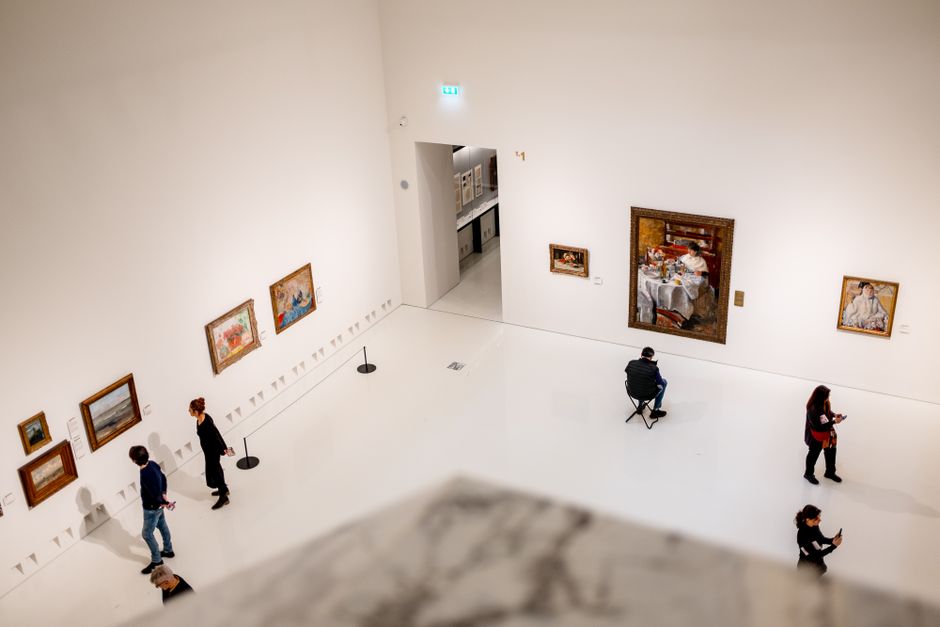
By 11 a.m., the Kunsthaus Zurich on Heimplatz had already logged triple its typical Saturday foot traffic. The museum's current exhibition schedule—anchored by a major retrospective of postwar Swiss design movements—suddenly felt less like a periodic cultural offering and more like essential summer programming. A few blocks away on Bahnhofstrasse, the Museum of Fine Arts saw similar surge patterns, with visitors gravitating toward the climate-controlled galleries rather than attempting the Uetliberg hiking trails that usually define a Zurich summer weekend.
Galleries Double Down While Streets Empty Out
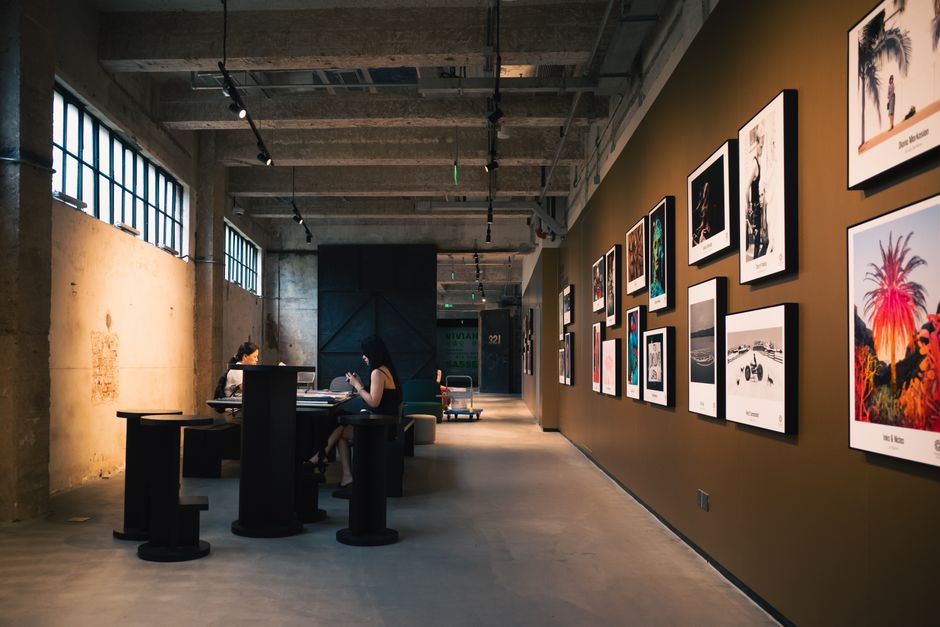
The shift wasn't accidental. Several smaller galleries in the Zurich West district—an area that's emerged as the city's contemporary art hub over the past decade—extended their hours Friday night specifically to accommodate Saturday's heat. The Shedhalle, a nonprofit exhibition space housed in a converted industrial building near Zurich West's Geroldstrasse, implemented a rolling schedule of climate-controlled room rotations to keep visitors moving through its current programming on urban memory and architectural adaptation. Entry costs 18 Swiss francs, unchanged from pre-heat surge pricing, but the venue reported capacity crowds by early afternoon.
This kind of improvisation reveals something essential about how Zurich's creative community operates. The city has long positioned itself as precisely ordered, culturally conservative even—a place where design means functionality first. Yet Saturday's scramble showed curators and venue operators making rapid, creative decisions that prioritized access and comfort over rigid scheduling. The Zurich Film Festival's downtown offices reportedly fielded calls from three separate cultural organizations requesting information about emergency scheduling protocols, a conversation that would have seemed absurd six months ago.
The Numbers Behind the Shift
Zurich's cultural infrastructure is already substantial. The city hosts 50 museums and galleries within its city limits, with annual combined attendance figures hovering around 3.2 million visitors. The cultural sector accounts for roughly 7.2% of Zurich's economy according to 2024 city planning data. What today's heat surge revealed is that this infrastructure becomes exponentially more valuable when outdoor alternatives vanish—and more strategically important to the city's identity when weather patterns grow unpredictable.
The practical question now shifts toward autumn. Venue operators report planning an extended indoor season through September, potentially restructuring how Zurich approaches the September-to-October transition period that typically precedes the film festival season. Several independent galleries are already in preliminary discussions about whether weekend extended hours become permanent features rather than heat-emergency measures.
For visitors in Zurich today, the takeaway is simple: arrive early at major museums on Heimplatz and expect queues. The smaller galleries scattered through Zurich West and the Kreis 5 neighborhoods offer shorter wait times but fill quickly by early afternoon. By evening, when temperatures finally drop, the city's lakefront areas will likely fill with the crowds that stayed indoors during peak heat. Zurich's creative identity has always relied on adaptation. Saturday just accelerated the timeline considerably.