The traditional midday festival model is collapsing under the weight of this week’s heatwave, but Zurich’s cultural scene is finding its footing in the shadows. By moving programming from the sun-drenched squares of Sechseläutenplatz to the repurposed industrial corridors of Oerlikon and the riverside docks, local collectives have effectively rewritten the city’s summer schedule in less than 48 hours.
This is not merely a reaction to rising mercury levels. It is a tactical shift by groups like the Zürcher Gemeinschaftszentren and the independent art hub Rote Fabrik. They have spent the last three years lobbying for more flexible event permits, arguing that Zurich’s nightlife and community gatherings should be untethered from rigid 10 p.m. sound ordinances and daylight expectations. Today, the movement finally has the leverage to prove that a cooler, later, and more decentralized model works.
Reclaiming the Industrial Fringe
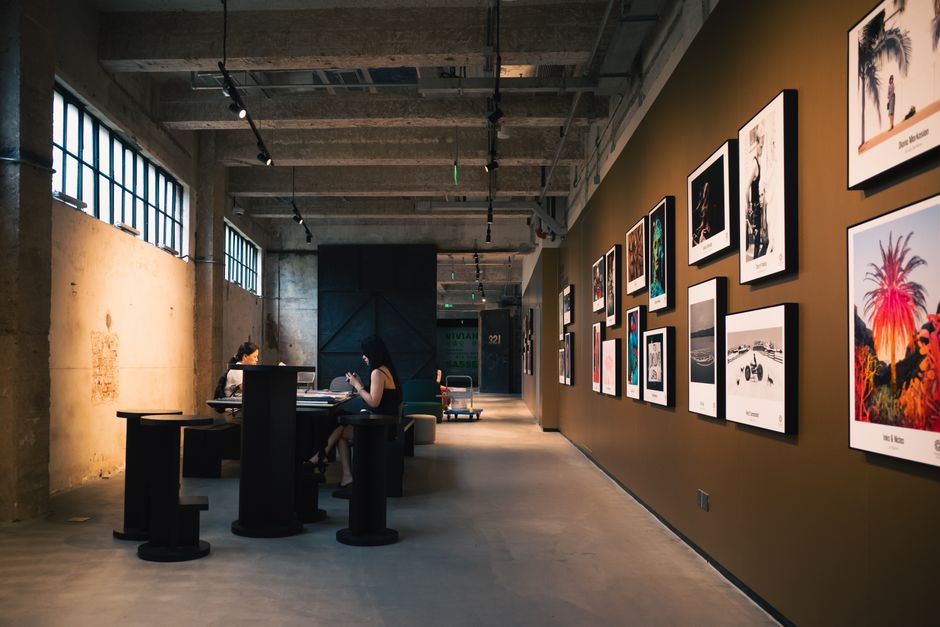
In the northern districts, the atmosphere is starkly different from the quiet, shuttered storefronts of the Bahnhofstrasse. At Halle 622, a consortium of local visual artists and electronic musicians has turned the venue into a 24-hour creative laboratory. Rather than hosting ticketed evening shows, they are running workshops and open-studio hours that prioritize air circulation and nocturnal creation. This community-led approach has transformed the former Oerlikon industrial site into a hub where the demographic spans from university students living in the WOKO residences to retirees who have lived in District 11 since the 1970s.
The shift is also evident along the Limmat. The Oberer Letten swimming area, usually an afternoon destination, has become the headquarters for pop-up film screenings and literary readings that do not start until the clock strikes 9 p.m. According to data released by the City of Zurich’s Department of Culture, participation in these decentralized evening initiatives has surged by 22 percent since last July. Entry fees for these community-driven nights are often capped at 15 Swiss francs, significantly lower than the average 45-franc ticket price for commercial summer concerts.
A New Blueprint for Urban Life
The success of these programs has caught the attention of municipal planners who are now reviewing the "Summer 2026 Initiative" guidelines. The move away from centralized, daytime public festivals is forcing a rethink of how the city allocates its resources. Officials from the Stadt Zürich office have hinted that the current permit experiment for late-night riverside programming could be codified into law by the end of the year, provided noise complaints remain within the 35-decibel limit currently enforced in residential zones like Wiedikon.
If you are looking for activity today, skip the city center’s exposed stone plazas. Head instead to the shadow of the viaducts near Im Viadukt, where local merchants are keeping their stalls open until midnight to avoid the peak heat. The community is voting with their feet, moving into the cooler, informal spaces that define the city’s modern character. Expect more of the same as the heat persists through the weekend; the city’s cultural shift is not happening in the grand concert halls, but in the small, late-night pockets that define the real Zurich.