Zurich’s skyline is shifting, but not in the way the real estate developers of the 1990s predicted. Instead of glass-and-steel monoliths, the city’s creative pulse is currently beating fastest inside the renovated shells of former heavy-machinery factories. This morning, the City Council confirmed that the redevelopment of the Sulzer-Escher Wyss sites has reached a new milestone, with 85 percent of the former industrial zone now permanently zoned for 'cultural and artisanal mixed-use.' It is a clear signal that Zurich is doubling down on its identity as a city that creates things, rather than just housing the institutions that finance them.
The Rust Belt Renaissance
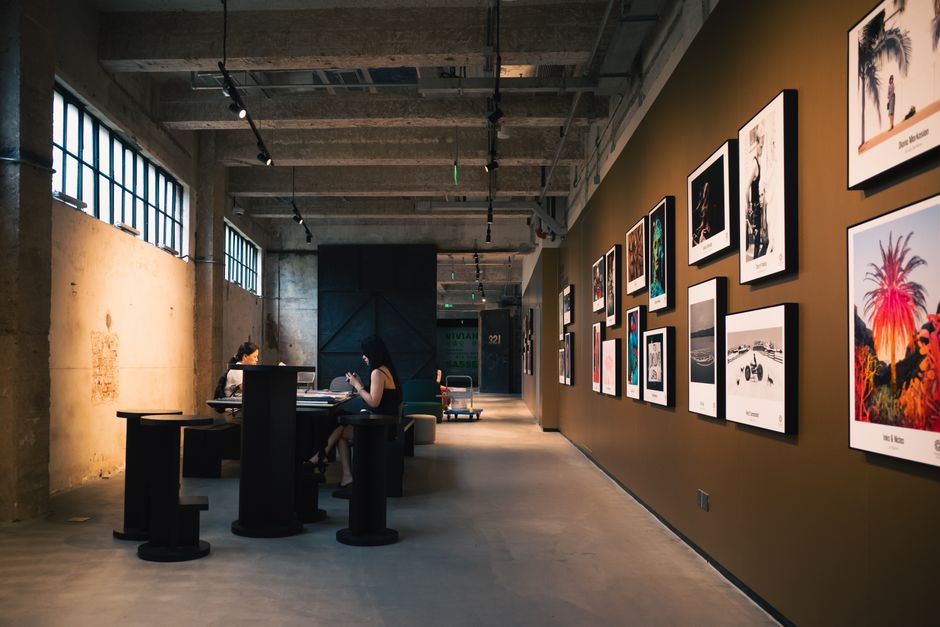
For decades, the district of Zurich-West was viewed as a forgotten relic of the city’s manufacturing prowess. Today, that narrative has flipped. At the heart of this transformation is the Maag Halle, which has evolved from a steel fabrication plant into one of the most critical multidisciplinary art spaces in Europe. Nearby, the Viadukt remains the gold standard for adaptive reuse; the stone arches of the 19th-century railway structure now host 30 independent boutiques and the bustling Markthalle. These spaces are not merely shopping corridors. They serve as the anchor points for local designers and technologists who are moving away from the sterile office blocks of the Bahnhofstrasse in favor of high-ceilinged, brick-walled environments that foster collaborative work.
Metrics of a Creative Economy
The numbers support the shift. According to the 2026 Zurich Economic Development report released earlier this week, the creative industries sector—which includes software development, architectural design, and experimental media—now accounts for 12.4 percent of the city’s total GDP. Rental premiums for these heritage-protected spaces have stabilized at approximately 2,800 Swiss Francs per month for mid-sized atelier units, a figure that remains competitive compared to the hyper-inflated commercial rates found in London or Manhattan. The city’s investment in the 'Zürcher Industriekultur' preservation program has allocated 45 million francs over the next three years to ensure that structural facades are not just saved, but integrated into the fiber of new residential projects.
As the city looks toward the winter season, the focus shifts to the upcoming opening of the Oerlikon Kreativ-Cluster. This project will convert a final parcel of the former Werk 1 factory complex into a subsidized hub for start-ups focusing on green technology and digital crafts. Residents interested in the programming for these spaces should monitor the official Stadt Zürich cultural portal, as the city plans to host public walk-throughs of the facility beginning the second week of August. For now, the message is clear: Zurich is choosing to honor its blue-collar history by making it the engine of its white-collar future.