Zurich’s Next Wave: How Emerging Artists Are Reclaiming the City’s Heritage
A new generation of creators is ditching traditional galleries for industrial spaces, redefining what it means to be a Zurich artist in 2026.
A new generation of creators is ditching traditional galleries for industrial spaces, redefining what it means to be a Zurich artist in 2026.

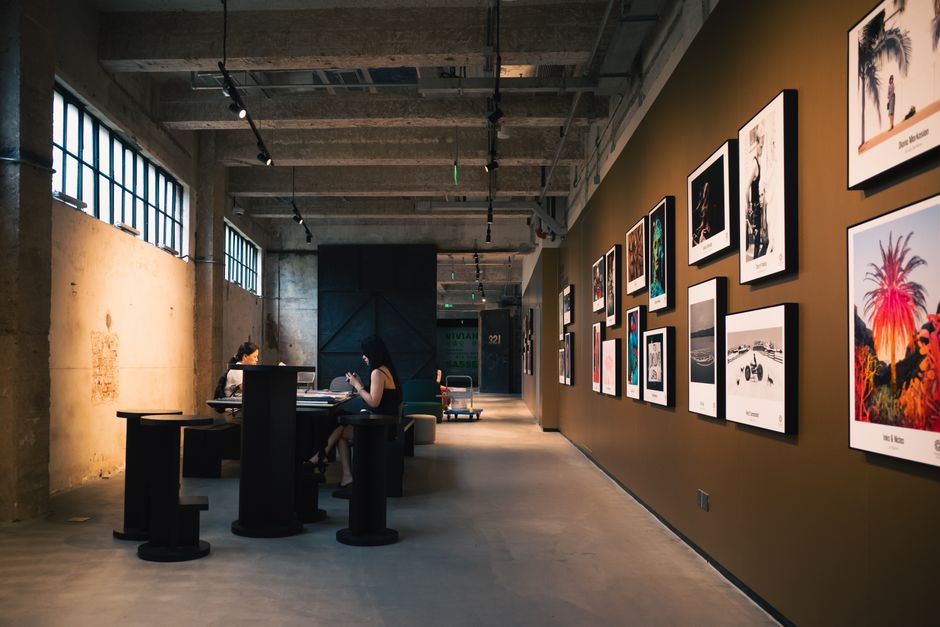
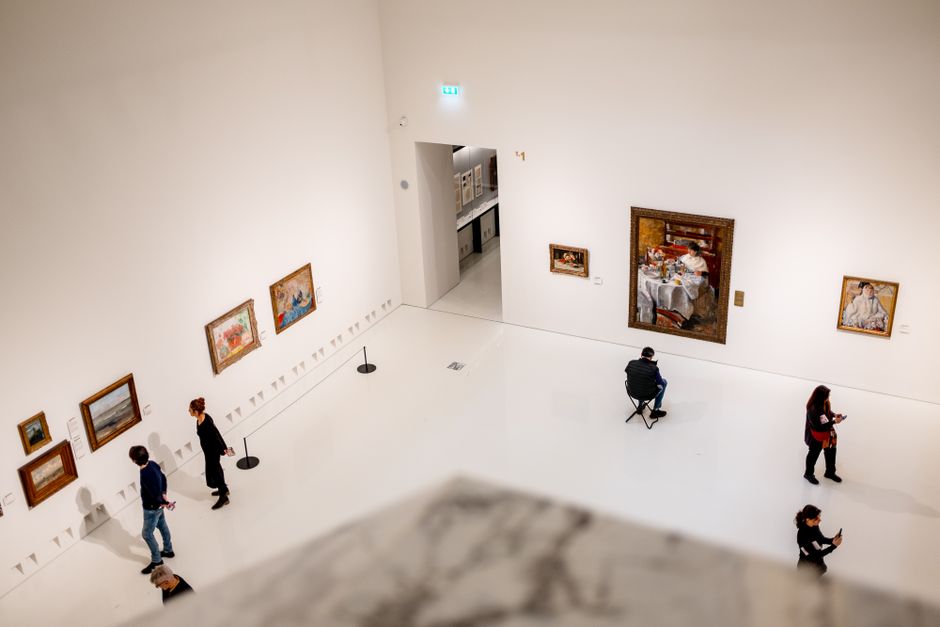
The Zürcher Kunsthaus might house the old masters, but the city's pulse is beating in the basement studios of Oerlikon and the renovated workshops of Binz. A loose collective of painters, digital sculptors, and performance artists is currently bypassing the traditional gatekeepers of the Bahnhofstrasse art scene, opting instead to host pop-up installations in the shadow of the Sihl Valley industrial complex.
This shift matters because the city’s identity is hardening into an expensive, sanitized glass-and-steel caricature. As commercial rents in District 1 continue to climb, these young creators are forced to hunt for space in the city's periphery. By repurposing abandoned commercial infrastructure, they are signaling a departure from the conservative aesthetic that has dominated Swiss fine art since the mid-2010s.
Look to the 'Werkstatt 52' initiative on Badenerstrasse for the clearest evidence of this movement. The collective, which launched in early 2026, focuses on integrating physical debris from the old industrial zone with experimental light projections. They aren't waiting for an invitation from the Gessnerallee curators. Instead, they operate on a shoestring budget, leveraging community-funded grants from the Pro Helvetia foundation to keep their studio doors open to the public.
Across town, the artists working near the Letten Viaduct represent a similarly defiant front. They utilize the archways once occupied by high-end retail to host critiques of the city’s gentrification, often featuring site-specific soundscapes that record the ambient noise of the nearby train tracks.
The economic reality of their situation is stark. A survey conducted by the Zurich Cultural Department in May 2026 revealed that 68% of artists under the age of 30 currently pay more than 2,200 Swiss francs per month for combined studio and living space. This represents a 14% increase in overhead compared to figures from July 2024. Despite these costs, the density of creative production in the northern districts has hit an all-time high, with at least 40 new experimental collectives registering their operations since January.
For those interested in catching the next wave, keep an eye on the upcoming 'Neues Zurich' exhibition series scheduled for mid-August at the Rote Fabrik. The curators have promised to feature works exclusively from artists who have never received a major institutional grant. Arrive early; the venue has a strict capacity limit of 250, and interest from local collectors is reportedly higher than it has been in the last three summers.
How does this story make you feel?
Spread the word
About this article
Published by The Daily Zurich
Daily brief
Free, in your inbox before 7am. Weekdays.
More in culture