Zurich is throwing open its cultural doors this weekend with a lineup that would have seemed unthinkable a decade ago—a deliberate pivot away from the refined conservatism that long defined the city's identity. The Letzigrund stadium hosts Zurich Fest, a three-day electronic music festival drawing 40,000 attendees, while simultaneously the Kunsthalle Zürich launches "Rupture," an exhibition centered on contemporary artists challenging institutional norms. Neither event happens by accident. Both reflect a conscious effort by the city's cultural gatekeepers to stake territory in a competitive global landscape.
The timing matters. As Zurich watches rivals like Berlin and Amsterdam consolidate reputations for creative risk-taking, and amid global economic uncertainty that's already reshaping tourism patterns, the city's cultural institutions are signaling that cutting-edge programming matters. The stakes are high. Zurich's brand internationally still trades heavily on precision, wealth, and Old World reliability. But that image increasingly fails to magnetize younger artists, visitors, and the creative class the city needs to sustain its economic vitality. This weekend's programming is a corrective, even if the city establishment barely admits it.
Where the Action Happens
Zurich Fest occupies the Letzigrund site in the Altstetten district—not traditionally where one expects high-end cultural programming. The venue choice itself signals intent. Altstetten has spent two decades transitioning from working-class industrial zone to mixed-use neighborhood. Hosting 40,000 festival-goers there sends a message about distributing culture beyond the city center and its wealthy lakeside enclaves. The festival runs through Sunday with artists spanning house, techno, and experimental electronic genres. Tickets range from 99 to 249 Swiss francs depending on duration.
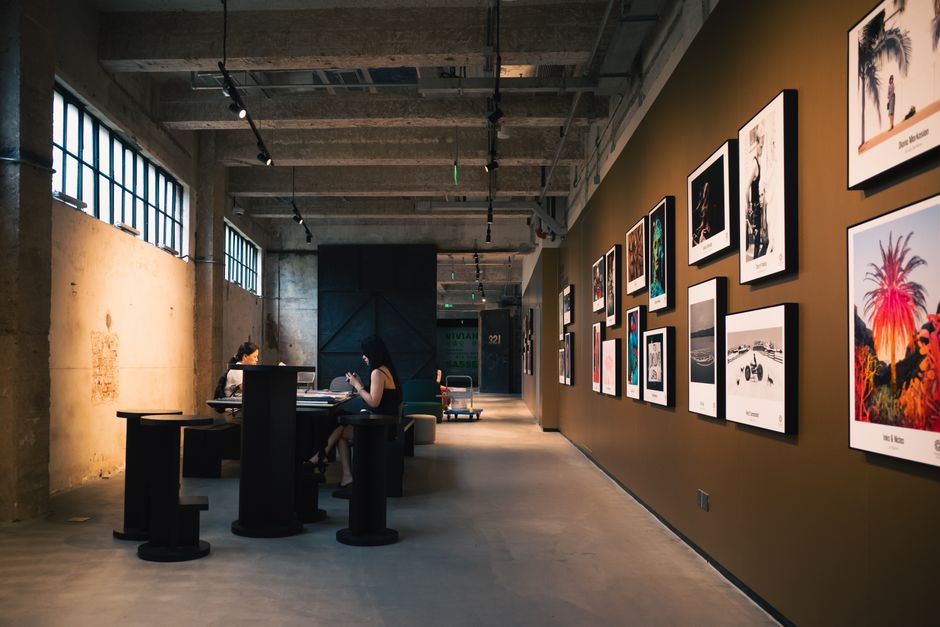
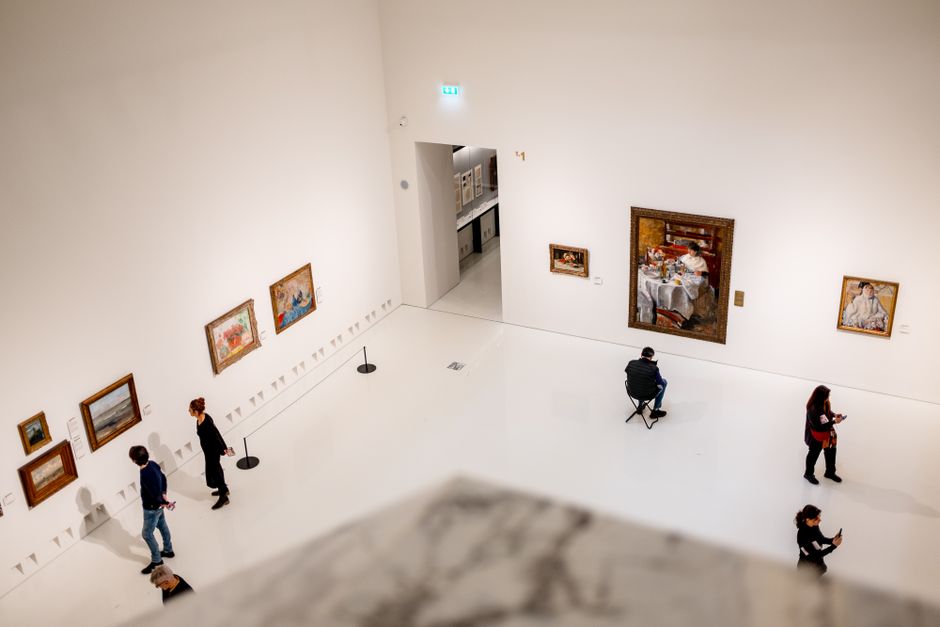
Simultaneously, downtown on Heimplatz, the Kunsthalle Zürich reopens after renovations with "Rupture," featuring works by 23 artists whose practices directly challenge museum conventions. The exhibition includes video installations, performance documentation, and pieces intentionally resistant to traditional viewing. Admission costs 18 francs, with discounts for students and those under 25. The Kunsthalle's director explicitly stated in preparatory materials that the institution could no longer position itself as a custodian of established taste. That's significant language from Switzerland's oldest independent art museum, founded in 1910.
The Numbers Tell the Story
Zurich's cultural sector employs roughly 12,000 people directly, according to the city's 2025 cultural economy report. That figure has grown 23 percent since 2015, yet the growth concentrates in tech-adjacent creative fields—UI design, digital arts—rather than traditional performing arts. Museums across the city reported attendance drops of 8 to 14 percent in 2024, a troubling indicator that the existing cultural offer wasn't connecting with younger demographics. This weekend's dual programming represents institutional response to that data.
The city invested 2.3 million Swiss francs in direct cultural subsidies for 2026, a modest increase but strategically targeted toward independent venues and emerging artists. Alongside that public investment, private sponsorship from firms like UBS and Zurich Insurance has shifted noticeably toward contemporary and experimental programming. When major financial institutions begin backing electronic music festivals, institutional priorities have fundamentally shifted.
Getting to the events is straightforward: Letzigrund is directly accessible via the S6 and S24 trains, or tram 8 from Bellevue. The Kunsthalle sits minutes from Paradeplatz on foot. If you're planning to attend either event, arrive early—parking around Heimplatz fills quickly on summer weekends. Both venues confirm capacity limits for Saturday afternoon, suggesting organizers expect full attendance. Zurich rarely sells out cultural events. That this weekend's programming is already generating advance ticket concern suggests something has shifted in how the city sees itself.