Zurich’s Creative Pulse: The community and movement driving this cultural shift
A grassroots surge in Zurich's artistic enclaves is redefining the city’s social fabric as summer programming hits its peak.
A grassroots surge in Zurich's artistic enclaves is redefining the city’s social fabric as summer programming hits its peak.
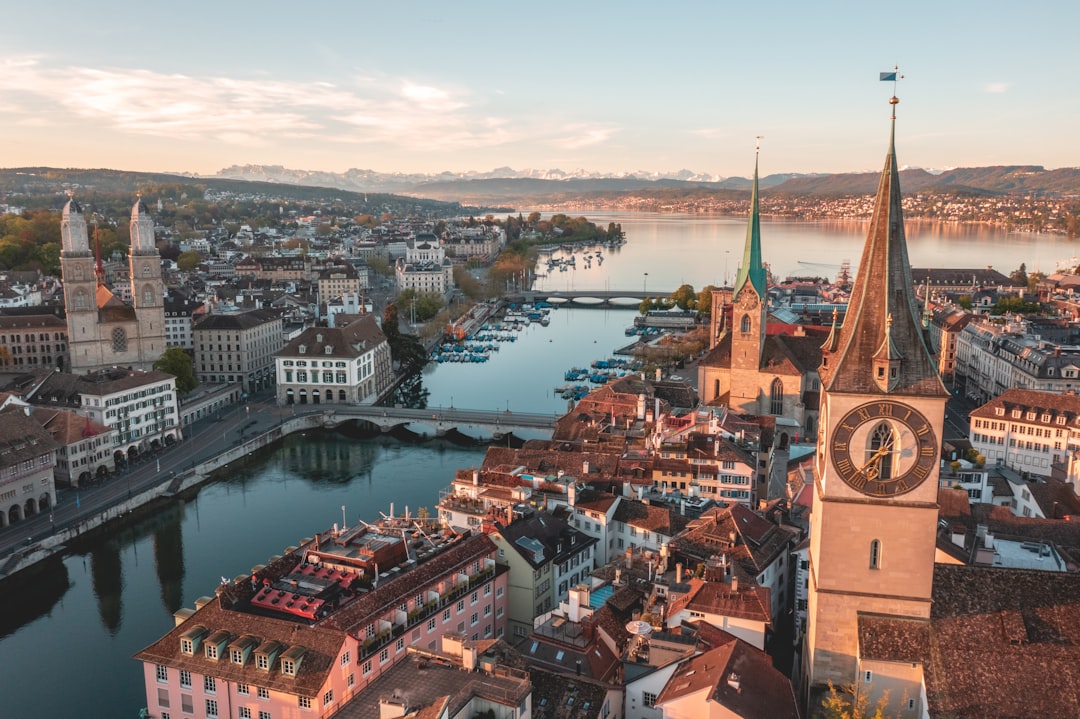
Zurich’s cultural landscape is undergoing a visible transformation this July, driven by a convergence of independent creative collectives and a push for more inclusive public programming. Across neighborhoods from the industrial stretches of Zurich-West to the historic alleys of the Niederdorf, local organizers are moving away from traditional institutional frameworks, favoring collaborative projects that engage directly with the city's changing demographics.
This shift arrives at a pivotal moment for the city’s identity. As Zurich continues to navigate its status as a global financial hub, the tension between rapid urbanization and the preservation of community-centric spaces has reached a new threshold. The movement is not merely about aesthetic output; it is a concerted effort by residents to reclaim communal areas for non-commercial interaction, reflecting a broader European trend toward localized urban revitalisation.
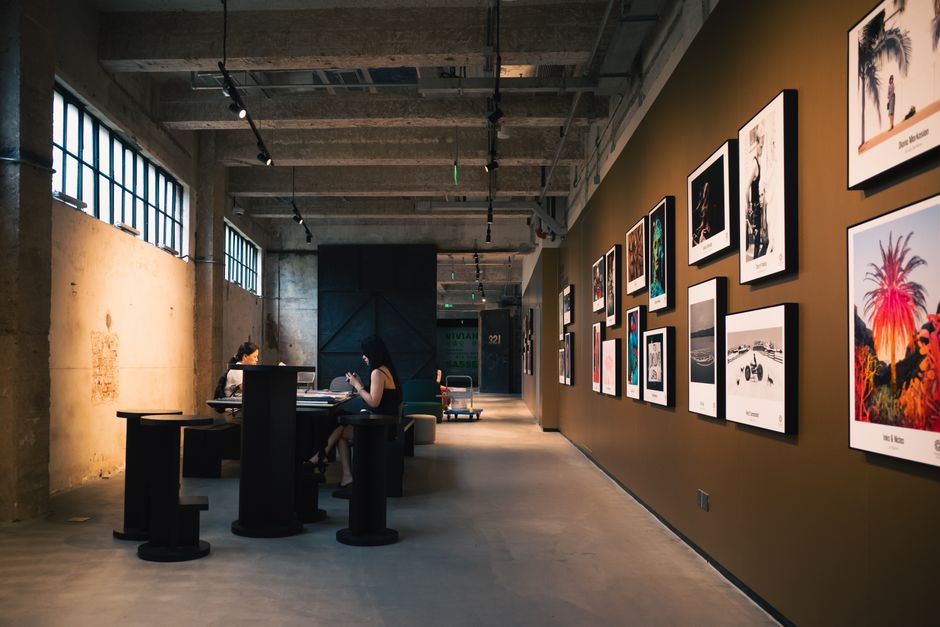
Central to this movement are hubs like the Gessnerallee, which has increasingly served as a laboratory for multidisciplinary performance, and the Rote Fabrik, an institution that remains a cornerstone for independent music and political discourse. These venues, once considered outliers, are now acting as anchors for a new generation of creators who prioritize accessibility. The recent transition toward modular, multi-use exhibition formats at these sites has allowed for a faster turnover of local programming, ensuring that the work displayed remains reflective of immediate social and political currents.
In the Limmat valley, community-led initiatives are also gaining momentum. The focus has sharpened on activating underutilized urban pockets, often through temporary installations that bridge the gap between street culture and fine art. This movement relies heavily on the integration of digital mapping and analog community outreach, ensuring that events are not just centralized, but distributed across the city’s diverse districts.
While the cultural shift is qualitative in nature, the scale of participation tells a clear story. According to the 2025 City of Zurich Statistical Office report on cultural consumption, over 60 percent of local residents engaged with at least one independent, non-state-funded cultural initiative during the previous calendar year. Furthermore, the city’s allocation of grants specifically for youth-led artistic projects saw a notable increase in the budget cycle finalized on December 15, 2025. These figures demonstrate that the movement is supported by both deep-seated public interest and administrative recognition of its value to the city’s social fabric.
For those looking to engage with this movement today, the most immediate entry point remains the open-air program at the Letten viaduct arches, where various pop-up studios are active throughout the weekend. Visitors are encouraged to prioritize the weekend workshops organized by local print collectives; most sessions operate on a sliding-scale contribution basis, ensuring that financial barriers do not impede participation. The movement is fluid, and with mid-summer temperatures remaining high, the most active social exchanges are currently migrating toward the late-evening hours near the communal swimming areas along the Limmat.
How does this story make you feel?
Spread the word
About this article
Published by The Daily Zurich
Daily brief
Free, in your inbox before 7am. Weekdays.
More in culture