Things to Do in Zurich's Coolest Neighborhoods
Discover Zurich's creative transformation: Langstrasse street art, Wiedikon galleries, and Aussersihl venues showing why expats are choosing culture over corporate precision.
Discover Zurich's creative transformation: Langstrasse street art, Wiedikon galleries, and Aussersihl venues showing why expats are choosing culture over corporate precision.
Five years ago, expat guides to Zurich read like instruction manuals for assimilation into corporate precision. Today, they read more like invitations to a city discovering itself. The transformation isn't dramatic—Zurich doesn't reinvent itself overnight—but it's unmistakable for those arriving now versus those who came a decade ago.
The shift began subtly in Wiedikon and Aussersihl, neighbourhoods long dismissed by central-city professionals as "up-and-coming." They've stopped coming and started arriving. Langstrasse, once the red-light district tourists avoided, has become the city's creative spine. Street art now competes with centuries-old architecture on warehouse walls. Independent galleries, concept restaurants, and music venues have replaced some of the seedier establishments, though locals insist—correctly—that the neighbourhood's edge remains part of its charm. Rent here runs roughly 30 percent lower than on the opposite bank, making it the obvious choice for newcomers calculating their first-year costs.
The opening of the Zurich West cultural quarter has catalysed something deeper. The conversion of former industrial spaces like those around Schiffbau into mixed-use cultural venues has given the city permission to be experimental. International residents, particularly younger professionals and creatives from Berlin, Barcelona, and London, have brought new expectations for cultural programming and neighbourhood dynamism. Local establishments have responded.
Perhaps most significantly, Zurich's notorious bureaucratic reputation has been challenged by necessity. The city's labour shortage in tech, healthcare, and hospitality has forced both employers and municipal authorities to streamline immigration processes and make integration less adversarial. The Integration Office now offers English-language orientation programmes that didn't exist three years ago. Word has spread: you can actually move here without hiring a relocation consultant.
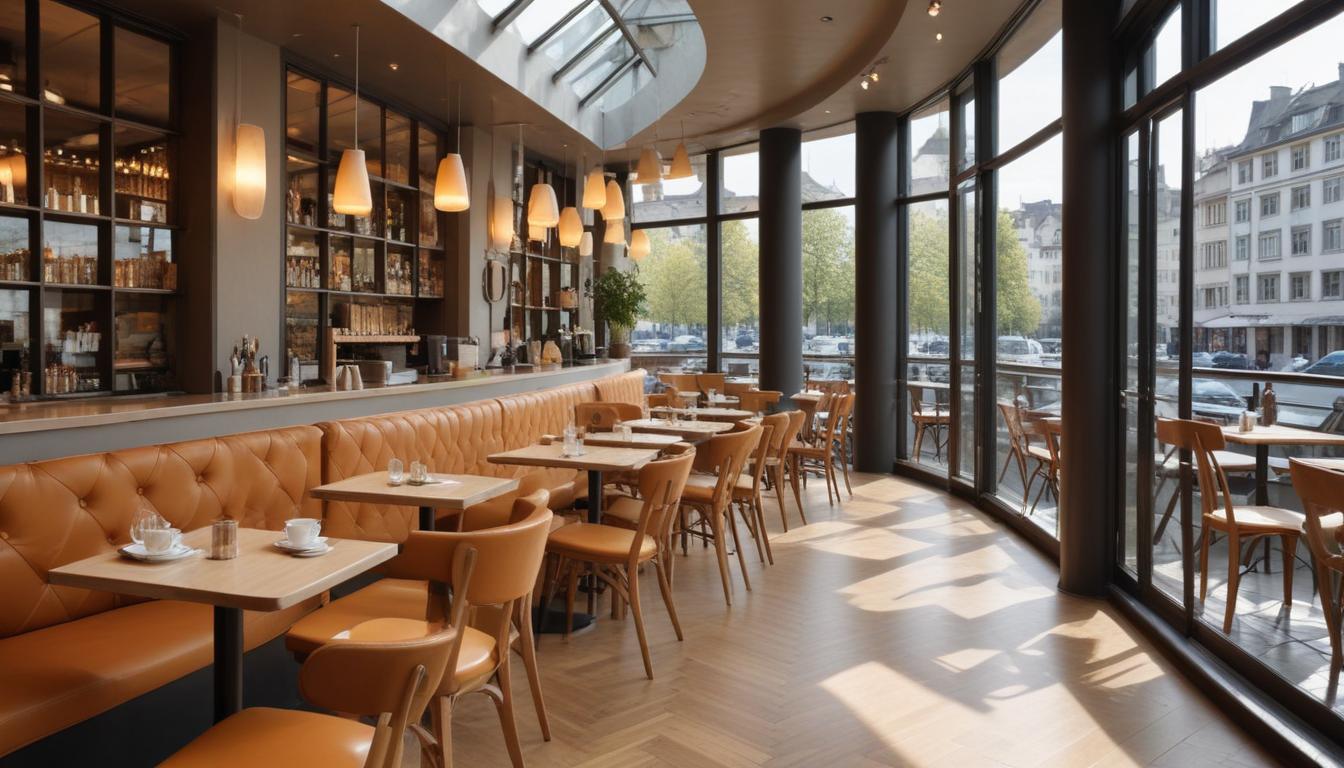
The dining scene reflects this shift most visibly. Alongside Michelin-starred stalwarts, a new generation of neighbourhood restaurants—run by international chefs and aimed at locals rather than expense accounts—has made eating out accessible rather than intimidating. The proliferation of coffee culture beyond the traditional Café Sprüngli model means you can find decent espresso on almost any corner, not just in the city centre.
What locals genuinely love now is permission to be imperfect. Zurich's reputation as the world's most expensive, most efficient, most reserved city was always overdetermined and somewhat unfair. But it's a narrative the city has leaned into for marketing purposes. That's changing. The old guard still values order and quality, but newcomers and increasingly the young locals alongside them are discovering that Zurich's real value isn't its precision—it's its authenticity beneath the surface.
For expat newcomers, 2026 is an unexpectedly good moment to arrive. The city is becoming itself rather than performing itself. That's worth the CHF 2,500 monthly apartment rent.
This article was compiled by AI from the sources linked above and screened before publishing. See our editorial standards.
How does this story make you feel?
Spread the word
About this article
Published by The Daily Zurich
Daily brief
Free, in your inbox before 7am. Weekdays.
More in lifestyle