Wiedikon Farmers Market Zurich: Local Shopping Guide
Discover Zurich's Wiedikon farmers market and independent shops transforming local retail. Saturday morning guide to sustainable, hyperlocal shopping.
Discover Zurich's Wiedikon farmers market and independent shops transforming local retail. Saturday morning guide to sustainable, hyperlocal shopping.

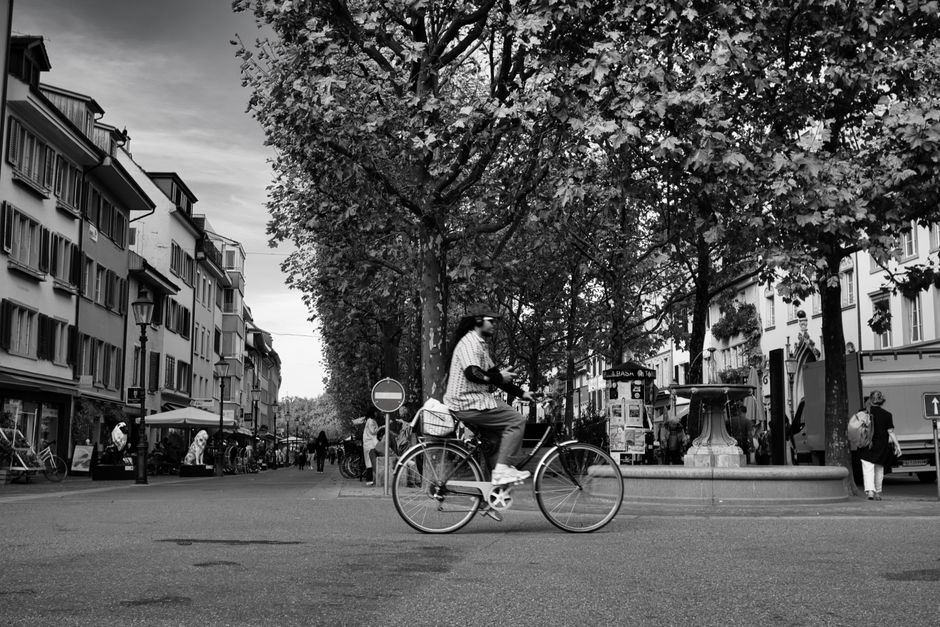
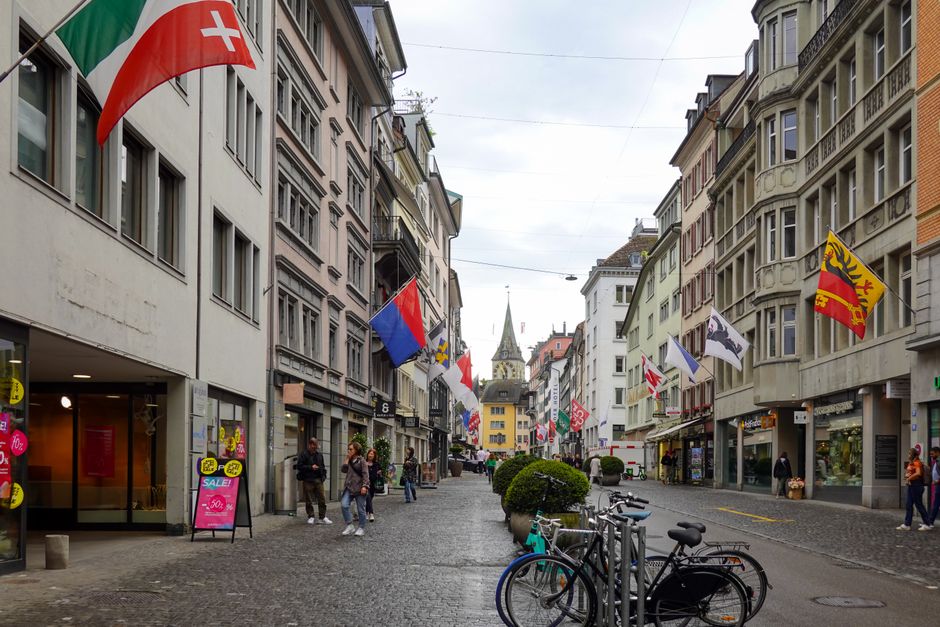
Walk down Gertrudstrasse on a Saturday morning and you'll witness a retail revolution quietly reshaping one of Zurich's most misunderstood neighbourhoods. Wiedikon, long stereotyped as the city's bohemian fringe, is experiencing a genuine transformation in how residents shop, trade, and connect with their community—one stall, one pop-up, one carefully curated vintage rail at a time.
The shift has accelerated dramatically over the past three years. Where chain retailers once dominated, independent vendors now claim prime real estate. The Wiedikon Farmers Market, held every Saturday morning on Badenerstrasse, has doubled its vendor count since 2023, now hosting roughly forty regular stallholders selling everything from hyperlocal alpine cheese to organic produce sourced within 50 kilometres of the city. Foot traffic has increased by an estimated 45 per cent, according to informal surveys by the neighbourhood business association.
But this isn't merely nostalgia masquerading as progress. The change reflects deeper shifts in how Zurich's younger demographics—and increasingly, established residents—approach consumption. "People want to know their shopkeeper's name," says the Wiedikon Quartierverein, highlighting that repeat customers often cite relationship-building over convenience as their reason for shopping locally. This preference has breathing room here in ways the polished corridors of Bahnhofstrasse never could.
The emergence of concept spaces like the rotating gallery-shops around Sihlstrasse underscores this evolution. These venues blur boundaries between retail, art, and community gathering—a distinctly 2026 approach that stands apart from traditional Zurich commerce. Meanwhile, established institutions like the neighbourhood's textile cooperatives have modernized their digital presence without abandoning their craft-focused ethos.
Price points remain accessible. Average weekly produce purchases at Wiedikon markets run 15–20 per cent lower than supermarket equivalents, and vintage clothing stock typically ranges from CHF 15–60, making sustainable shopping genuinely feasible for households with modest budgets.
Yet challenges persist. Rising rents threaten smaller vendors, and the neighbourhood's reputation—still tinged with outdated perceptions—means it hasn't achieved the mainstream retail cachet of, say, Zurich's more polished quarters. Nevertheless, something genuine is crystallizing here: a model of neighbourhood retail grounded in relationships, sustainability, and accessibility rather than consumption as spectacle.
For Zurich's lifestyle landscape, Wiedikon's market evolution signals that the city's future of shopping may belong less to the monumental and more to the intimate, the independent, the knowable.
This article was compiled by AI and screened before publishing. See our editorial standards.
How does this story make you feel?
Spread the word
About this article
Published by The Daily Zurich
Daily brief
Free, in your inbox before 7am. Weekdays.
More in lifestyle