lifestyle
Zurich's Rooftop Bars Transform Into Local Community Hubs Across Five Neighborhoods
From Wiedikon to Enge, rooftop venues are shifting from tourist traps to locals-only hangouts that define the character of their districts.
How we reported this
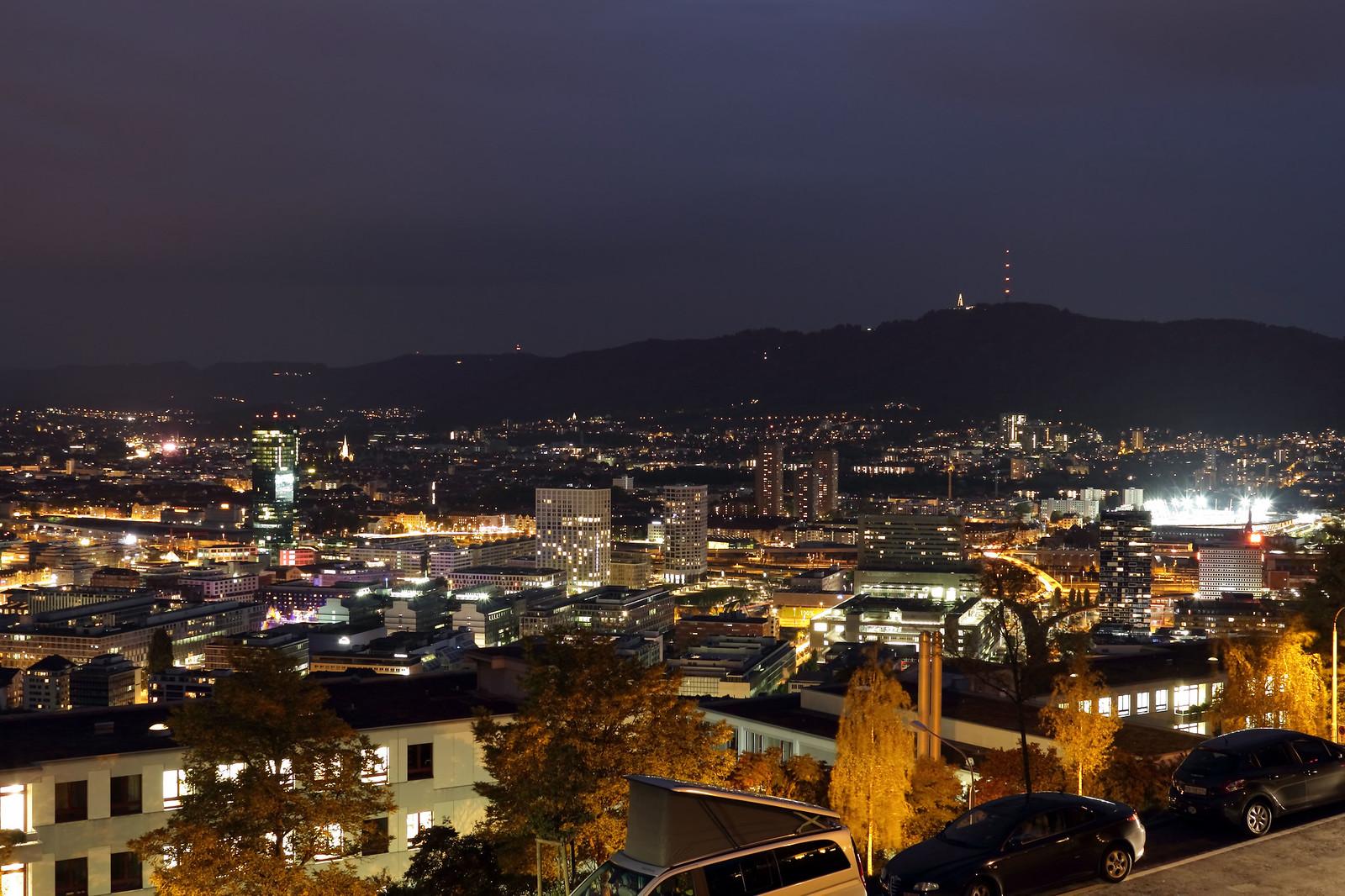
Zurich's rooftop bar scene has undergone a quiet transformation over the past eighteen months. What began as a handful of venues catering to Instagram-hunting visitors has evolved into something more substantive: neighbourhood anchors where regulars know the bartenders by name and the crowd reflects the specific character of the surrounding district.
The shift matters now because the city's lifestyle infrastructure is maturing. As hospitality venues face pressure to attract consistent revenue rather than chasing seasonal peaks, rooftop bars in neighbourhoods like Wiedikon, Kreis 6, and Enge have stopped trying to be all things to all people. Instead, they've become extensions of their surrounding communities-places where you're more likely to encounter a group of architects from the nearby offices on Talacker Street than a stag party from out of town.
Take Bar Überm Dach in Wiedikon, tucked above the quiet streets of this traditionally working-class neighbourhood south of the Sihl River. The venue draws heavily from the design and creative sector workers who've colonised the converted warehouses along Gerold-Strasse and Europaallee over the past decade. On any given Thursday evening, you'll find clusters of people discussing ongoing projects, networking without the forced energy of a dedicated business mixer. The bar's programming reflects this: monthly artist talks rather than DJ sets, a wine list sourced from smaller Swiss producers rather than international brands.
Similarly, Rooftop Fritschi in Enge occupies a different social space entirely. This neighbourhood, bounded by Seestrasse and the lake, attracts older money and established families. The rooftop bar there serves as an extension of lakeside living-somewhere affluent residents gather for sunset aperitifs before heading to dinner. The crowd tends to run older, the conversations more about renovation projects and school selections than career pivots. Prices reflect this positioning: a cocktail runs 24 to 28 francs, compared to 18 to 22 francs in Wiedikon.
How Neighbourhood Identity Shapes the Rooftop Experience
The Zurich Tourism Board reported in their 2025 annual review that 62 percent of rooftop bar visits now come from local residents rather than tourists-a significant inversion from 2023, when the ratio favoured visitors. This shift has forced venues to think about sustaining interest across all seasons, not just summer peaks. The result is more intentional programming tailored to what each neighbourhood actually wants.
In Kreis 5, near the Schiffbau cultural centre and the old industrial corridors that are being reimagined as creative hubs, rooftop venues programme experimental music and host community discussions about urban development. The crowd skews younger-twenties to early forties-and the venue operates as a genuine public square, a place where neighbourhood debates about gentrification and cultural preservation happen over drinks with people who actually live nearby.
This hyperlocal approach has created genuine friction with the tourism industry. Hotels that once bundled rooftop bar visits into their packages now find those venues are either fully booked with residents or have explicitly shifted their marketing toward neighbourhood clientele. Some venues now ask for proof of a local postal code during peak hours. It's an extreme measure, but it reflects how thoroughly these spaces have been claimed by the communities that surround them.
What to Expect When You Go
For anyone looking to experience this neighbourhood-centred rooftop culture, arrive early-before 8 p.m.-and ask the bartender what's actually happening in the surrounding streets. The venues that have made this transition most successfully are those where the rooftop experience is genuinely tethered to the district's identity. In Wiedikon, that means understanding the neighbourhood's history as a creative refugee camp for designers and artists. In Enge, it means respecting that you're essentially sitting in someone's extended living room.
Zurich's rooftop bars have stopped being destinations. They've become something more useful: accurate reflections of the neighbourhoods they occupy, places where the character of a district is legible in who sits beside you and what they're discussing. That authenticity, ironically, is what's now drawing people back.