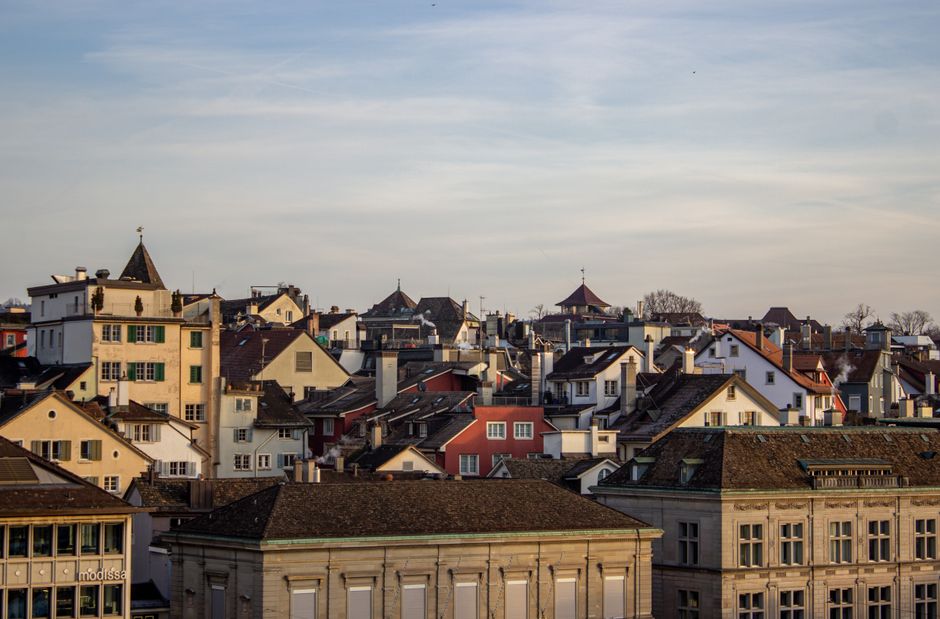
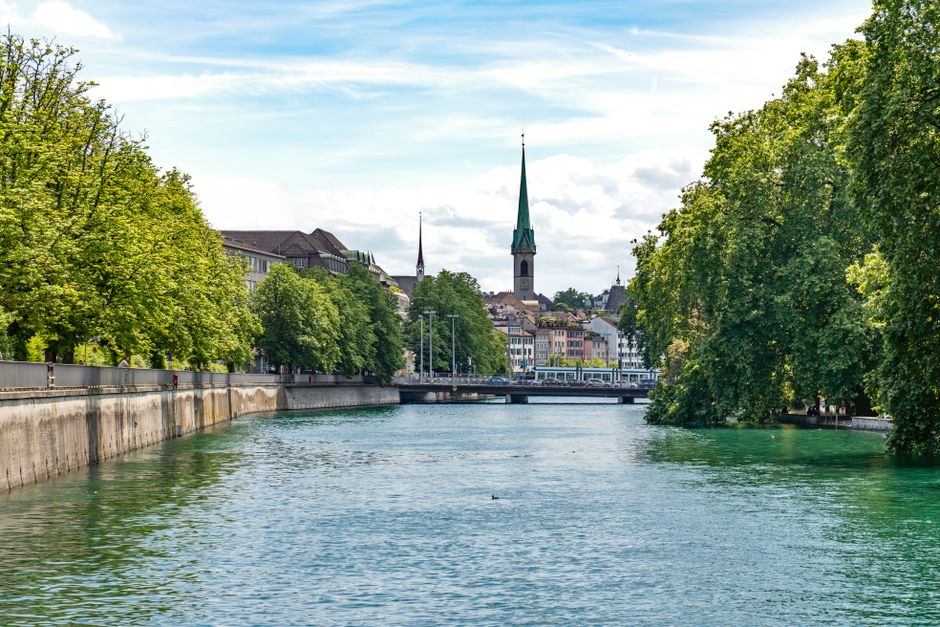
When the City of Zurich announced its updated sustainability roadmap earlier this month, it wasn't just another government initiative destined for a municipal filing cabinet. For the roughly 435,000 residents across the canton, the commitment to achieving net-zero emissions within fourteen years carries immediate, tangible consequences—from how they heat their homes to the routes they take through the Sihlwald forest.
The initiative's impact is already visible. The renovation of residential blocks along Langstrasse in Aussersihl—part of a broader cantonal energy efficiency programme—has reduced heating costs for participating households by an average of 28 per cent. "This isn't hypothetical future policy," explains a spokesperson from the Zurich Cantonal Office for Energy, "it's happening now in neighbourhoods where families actually live."
The most significant shift concerns transport. Zurich's investment in expanding the tram network—with new lines planned for the Kalkbreite area and extensions into outlying districts like Hongg—aims to reduce private car usage by 30 per cent by 2030. For commuters from Oerlikon to the financial district, this means faster, cheaper alternatives to the current CHF 3,840 annual parking permit in central zones.
But the community impact extends beyond infrastructure. The restoration of the Schanzengraben embankment and wetland corridors alongside Lake Zurich is creating new recreational spaces while rebuilding biodiversity corridors disrupted by urban expansion. Local schools in Wollishofen already partner with the Zurich Zoo and the Naturmuseum to educate students about climate adaptation in their own districts.
Real estate values are following these trends. Properties within 500 metres of planned tram extensions have appreciated 7 per cent faster than the city average over the past two years, according to cantonal property records. For renters, the long-term calculus is equally compelling: newer sustainable buildings command only marginally higher rents but offer substantially lower utility costs.
The challenges remain substantial. Converting Zurich's aging building stock—where approximately 60 per cent of structures predate current energy standards—requires coordinated effort across districts like Wiedikon and Altstetten, where property ownership is fragmented. Yet the city's sustainability office reports that uptake for renovation subsidies has tripled since 2024.
For residents watching climate crisis headlines from across the globe, Zurich's commitment offers something rare: tangible proof that ambitious climate goals don't require sacrificing quality of life. Instead, for many in this city, they're actively improving it.
This article was compiled by AI from the sources linked above and screened before publishing. See our editorial standards.