How Zurich Became Europe's Crossroads: Tracing Three Decades of Migration That Reshaped the City
From industrial decline to financial boom, Switzerland's largest city has absorbed waves of newcomers—and the tensions and triumphs that come with them.
From industrial decline to financial boom, Switzerland's largest city has absorbed waves of newcomers—and the tensions and triumphs that come with them.
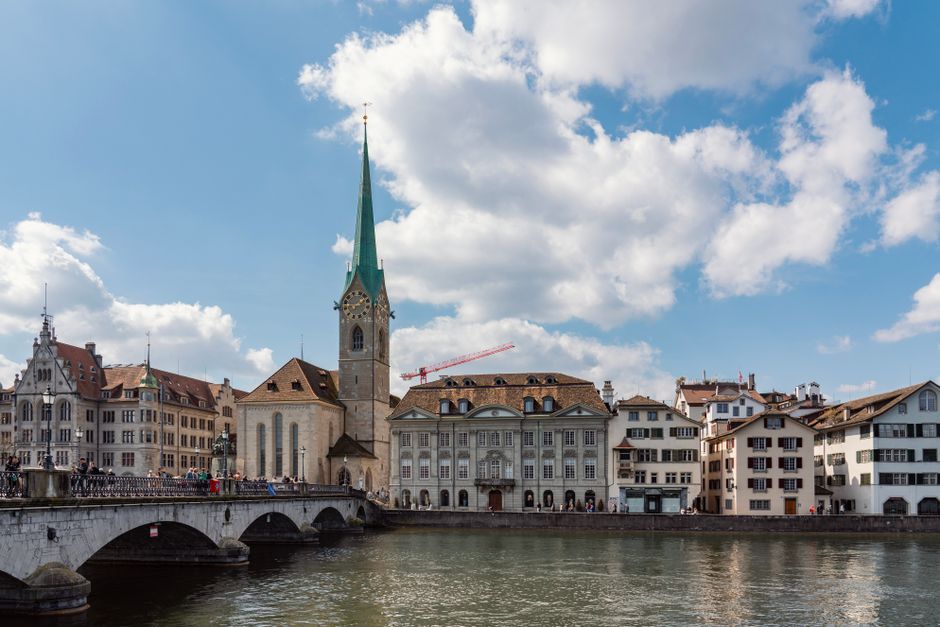
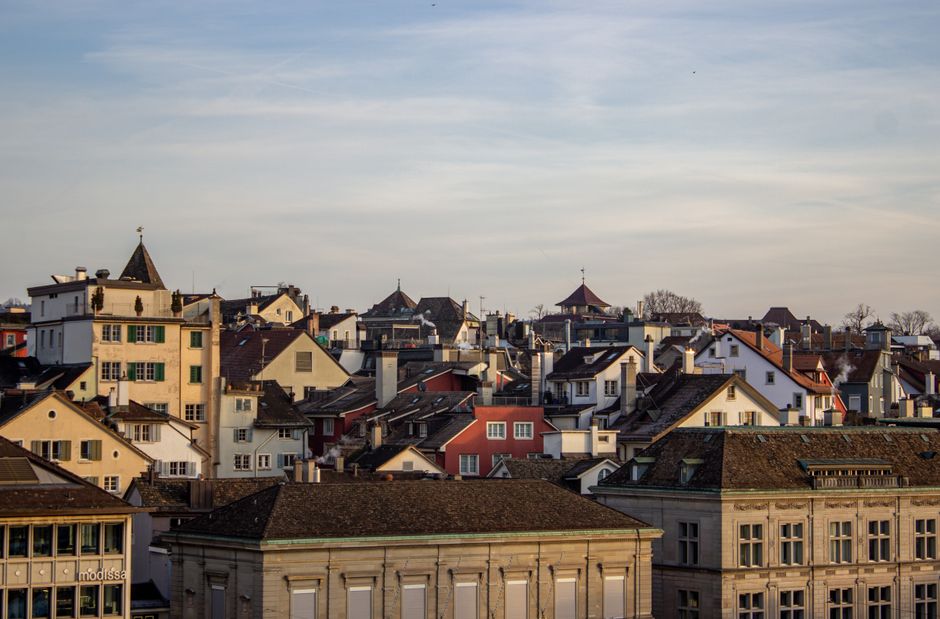
Walk through Wiedikon or Aussersihl today and you'll hear Mandarin, Portuguese, and Tamil alongside Swiss German. The transformation didn't happen overnight. To understand Zurich's current multicultural landscape—where nearly 40 percent of residents were born abroad—requires looking back at how economic forces, policy shifts, and geopolitical upheaval reshaped this city over the past three decades.
In the 1990s, Zurich was primarily a wealthy financial hub with a homogeneous population. The fall of the Berlin Wall and Yugoslavia's collapse triggered the first major migration wave. Asylum seekers from the Balkans arrived in significant numbers, particularly between 1992 and 1995, when Switzerland processed over 60,000 asylum applications annually. The city's infrastructure creaked. Integration programs were minimal. Tensions simmered, particularly in working-class districts like Altstetten, where housing was affordable but social services were stretched.
The early 2000s brought economic globalization and labor shortages in healthcare, construction, and hospitality. Switzerland's bilateral agreements with the EU opened doors for skilled workers from Eastern Europe and Italy. Simultaneously, chain migration from established diaspora communities—Portuguese workers from the 1960s who sponsored family members, Italian families with generational ties—deepened these networks. By 2010, Zurich's foreign-born population had doubled to roughly 30 percent.
The 2015 refugee crisis accelerated everything. While Switzerland admitted fewer asylum seekers than many neighbors, Zurich bore disproportionate responsibility. The city's reception centers in Friesenberg and around Zurich West strained budgets. Yet simultaneously, Canton Zurich's integration policies—mandatory German classes, employment integration programs run through organizations like the Migrationsamt—became models other cantons copied. Property prices near Wiedikon station climbed as the neighborhood gentrified, pushing some established migrant communities further out.
Today's Zurich reflects this layered history. The Vietnamese community around Badenerstrasse, the East African population in Aussersihl, the Portuguese quarter in Wiedikon—these aren't random distributions. They mark earlier waves of arrival and economic opportunity. Yet structural challenges persist. Migrants still face higher unemployment rates and occupy lower-wage sectors disproportionately. Housing costs—averaging 2,800 francs monthly for a two-bedroom apartment—squeeze newcomers hardest.
Understanding this context matters as Zurich grapples with contemporary debates over immigration caps, integration expectations, and social cohesion. The city's diversity didn't emerge from abstract idealism but from concrete economic needs, historical accidents, and human desperation meeting policy frameworks. That foundation shapes every conversation happening in Zurich today.
This article was compiled by AI from the sources linked above and screened before publishing. See our editorial standards.
How does this story make you feel?
Spread the word
About this article
Published by The Daily Zurich
Daily brief
Free, in your inbox before 7am. Weekdays.
More in News