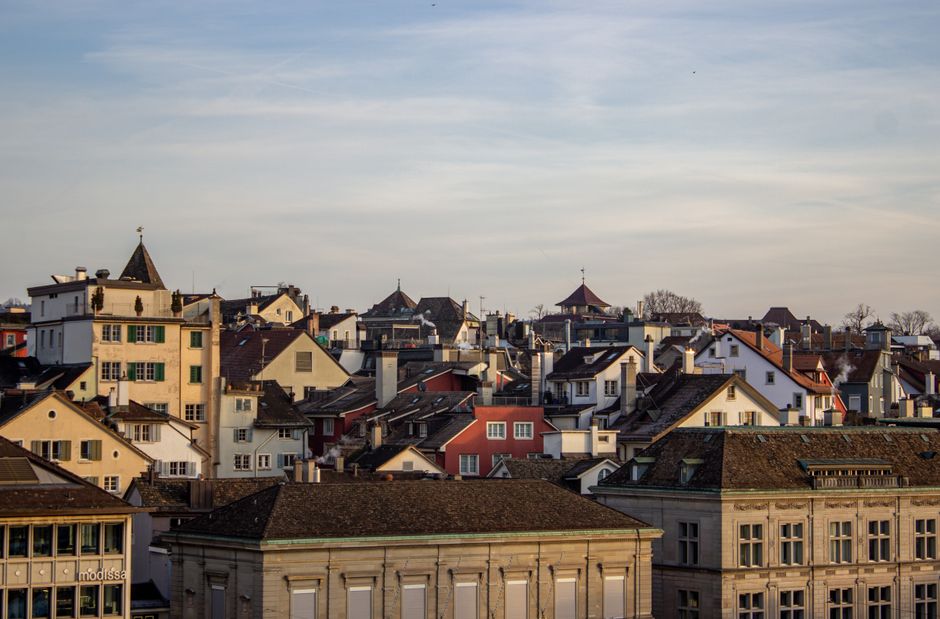
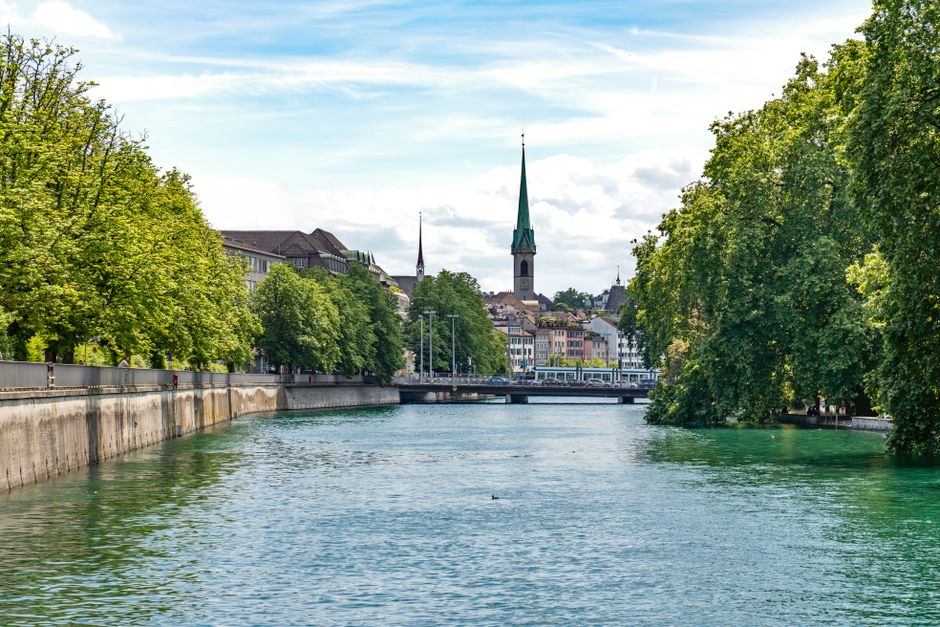
Zurich faces a critical juncture in its housing policy. With median apartment rents exceeding 2,800 francs for a two-bedroom unit in central districts and new construction prices approaching 15,000 francs per square metre in areas like Wiedikon and Aussersihl, the city's real estate market has become almost inaccessible for young professionals and families. As the municipal government prepares for three pivotal votes this autumn, urban planners and housing advocates say the decisions ahead will determine whether Zurich remains a city of mixed demographics or becomes exclusively wealthy.
The first critical decision centres on density zoning in underutilised areas along the Limmat Valley and near the Altstetten industrial zone. The city planning department has proposed allowing buildings up to 12 storeys in previously restricted neighbourhoods, a significant departure from Zurich's historically low-rise character. The cantonal government supports this measure, viewing density as essential to creating housing supply. However, neighbourhood associations in Hongg and Schwamendingen have mounted vocal opposition, citing traffic and green space concerns. The decision carries enormous weight: density approval could unlock 8,000 to 12,000 new units over the next decade.
Equally consequential is the debate over mandatory affordable housing quotas. A proposal before the council would require developers to dedicate 25 per cent of units in new projects to below-market rents, funded through density bonuses and tax incentives. This mirrors successful models in Geneva and Basel, though Zurich's construction industry has expressed concern about project viability. Real estate associations argue the quota is too aggressive; housing advocates say it is inadequate given current demand.
The third decision involves the fate of railway-adjacent brownfield sites managed by the Swiss Federal Railways. Two major plots near Wiedikon station and another near the Altstetten goods yard could accommodate mixed-use developments with housing, retail, and green space. The city must negotiate acquisition prices and development agreements with the federal authority—a process that will define whether these prime locations serve the broader public or become premium residential enclaves.
Behind these votes lies a deeper tension: Zurich's traditional commitment to quality of life and architectural preservation versus demographic pressures and generational affordability demands. The city's population has grown 7 per cent since 2015, yet housing stock expanded by only 3 per cent. The gap compounds annually.
Council votes are scheduled for September and October. Whatever emerges will reshape Zurich's urban form for decades. The question occupying city planners is no longer whether change will come, but how deliberately—and equitably—it will be managed.
This article was compiled by AI from the sources linked above and screened before publishing. See our editorial standards.