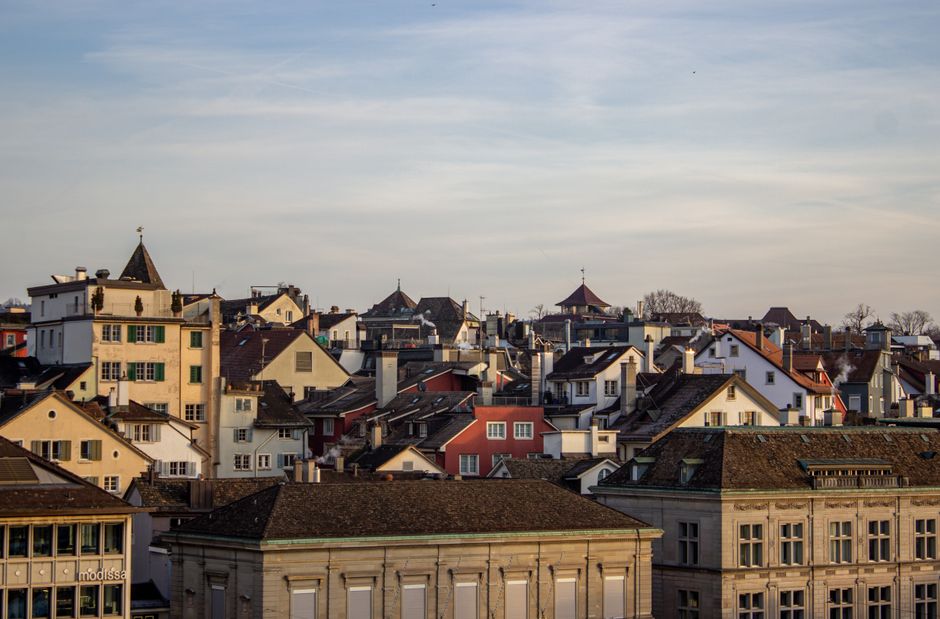
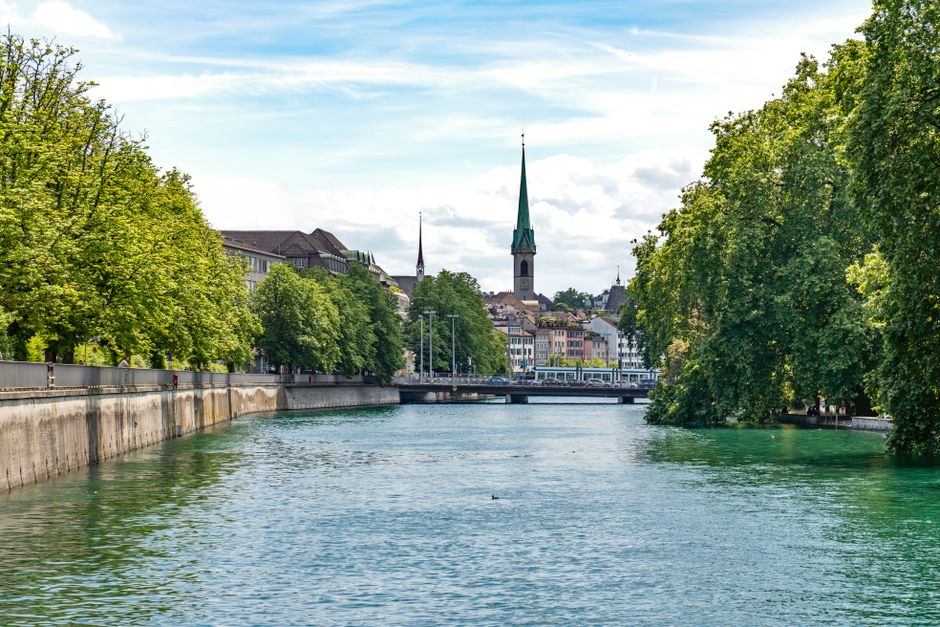
On a warm June afternoon outside the Migros on Gutstrasse, locals gathered to discuss what many call an existential threat to their neighbourhood. The conversation centred on a familiar refrain: rising rents, disappearing affordable flats, and the creeping transformation of Wiedikon from a diverse, multigenerational community into an enclave for the wealthy.
The numbers tell a stark story. Average rents in Wiedikon have climbed approximately 18 per cent over the past three years, according to local housing advocacy group Wohninitiative Zurich. A two-bedroom apartment that cost 2,100 francs in 2023 now typically rents for 2,480 francs—pricing out families who have called these streets home for decades.
"My parents moved here in 1978," said one long-term resident, who works in the service industry. "Back then, this was a neighbourhood where nurses, electricians, teachers could afford to live. Now? Even with two salaries, we're being priced out. Our daughter will have to move to Dietikon."
The Community Centre on Ausstellungsstrasse, a focal point for neighbourhood activities, has become an informal hub for residents airing grievances. Staff members report increasing inquiries about housing rights and tenant protections, with foot traffic up nearly 40 per cent this year.
What compounds local anxiety is the pace of redevelopment. Three major residential conversions are underway between Badenerstrasse and Kanzleistrasse, each replacing older apartment blocks with premium units marketed toward investors and international professionals. The Wohninitiative estimates that Wiedikon has lost approximately 340 affordable rental units since 2020.
Not all change is viewed negatively. Some residents acknowledge improved streetscaping, better restaurants, and enhanced public spaces. A shopkeeper on Gutstrasse noted that foot traffic has increased. "Business is better," she admitted, "but I worry about the soul of the neighbourhood."
Local politician and Wiedikon advocate Michael Chen highlighted the tension: "We support sustainable development, but not at the expense of our community's fabric. Housing is a right, not a commodity for speculation."
The Zurich City Council has pledged to increase affordable housing targets, aiming for 25 per cent of new units by 2030, but residents express scepticism about enforcement. For many in Wiedikon, the question is no longer whether gentrification is happening—it's whether anything can slow it down.
This article was compiled by AI from the sources linked above and screened before publishing. See our editorial standards.