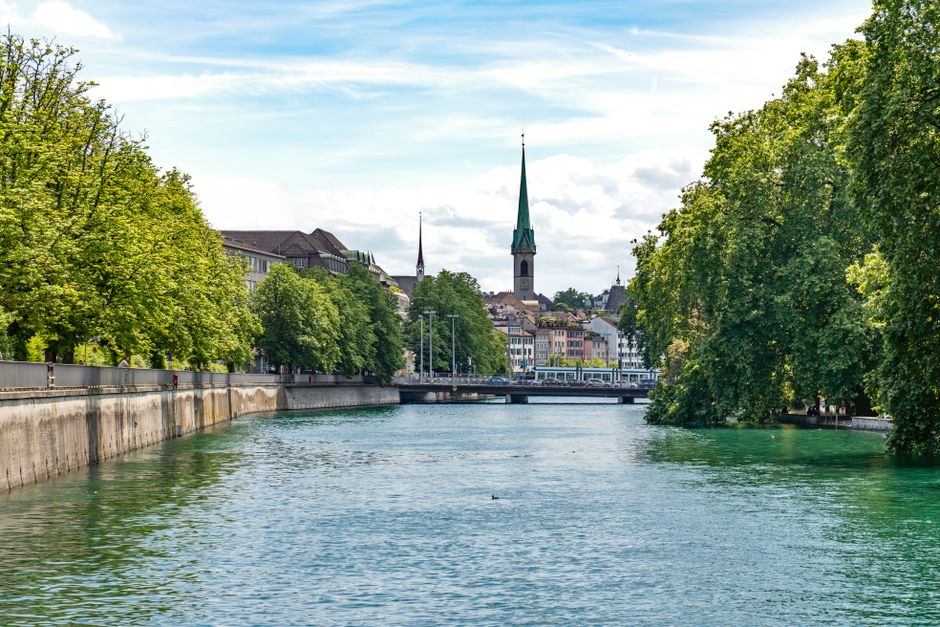
Walking along the Limmat today, it's easy to forget that Zurich's riverbanks once reeked of industrial discharge. The transformation didn't happen overnight—it required a fundamental reckoning with the city's industrial past and the political will to chart a radically different course.
The turning point came in the early 1990s, when Swiss environmental organisations began documenting alarming levels of heavy metal contamination in the Zurich lake and river systems. The revelations coincided with a broader European shift toward sustainability, but Zurich's response was distinctly local. The city council's 1995 decision to phase out coal-fired heating represented a watershed moment, though it initially cost residents an estimated 12-15% increase in heating expenses—a burden that ignited fierce political debate in neighbourhoods from Wiedikon to Altstetten.
The real acceleration came after 2000, when the municipal government established Europe's first comprehensive urban sustainability audit. This framework identified Zurich's transport sector as the primary culprit, with private vehicles accounting for roughly 40% of the city's carbon footprint. By 2010, the tram network had expanded dramatically; today, the ZVV system moves over 600 million passengers annually, a figure that reflects decades of investment in alternatives to car culture.
Corporate responsibility proved equally transformative. Multinational firms headquartered in the Europaplatz and Wiedikon business districts faced mounting pressure from shareholders and employees—many of whom belonged to organisations like myblueplanet, founded here in 2012. Banks that had historically financed fossil fuel projects began divesting, a shift driven partly by market logic but also by the values of Zurich's educated, environmentally conscious workforce.
Yet progress remained uneven. The 2015 Paris climate accord energised younger activists, leading to the formation of Fridays for Future Zurich and sustained protests at the Bahnhofstrasse and other iconic locations. The movement forced a reckoning: the city's own energy consumption targets, set in 2008, were revised upward in 2019 when it became clear they wouldn't be met.
Today's sustainability initiatives—from the Greencity residential development in Leutschenbach to the renewable energy procurement agreements across the city—represent the culmination of this long arc. They reflect not utopian idealism but pragmatic acknowledgment that Zurich's future prosperity depends on environmental stewardship. Understanding how we arrived here matters because the work remains incomplete, and institutional memory serves as both inspiration and warning.
This article was compiled by AI from the sources linked above and screened before publishing. See our editorial standards.