Zurich City Council Approves Controversial Wiedikon Tram ...
This week's municipal session brought fresh momentum to transport planning while exposing deep rifts over the city's CHF 8.2 billion budget.
This week's municipal session brought fresh momentum to transport planning while exposing deep rifts over the city's CHF 8.2 billion budget.
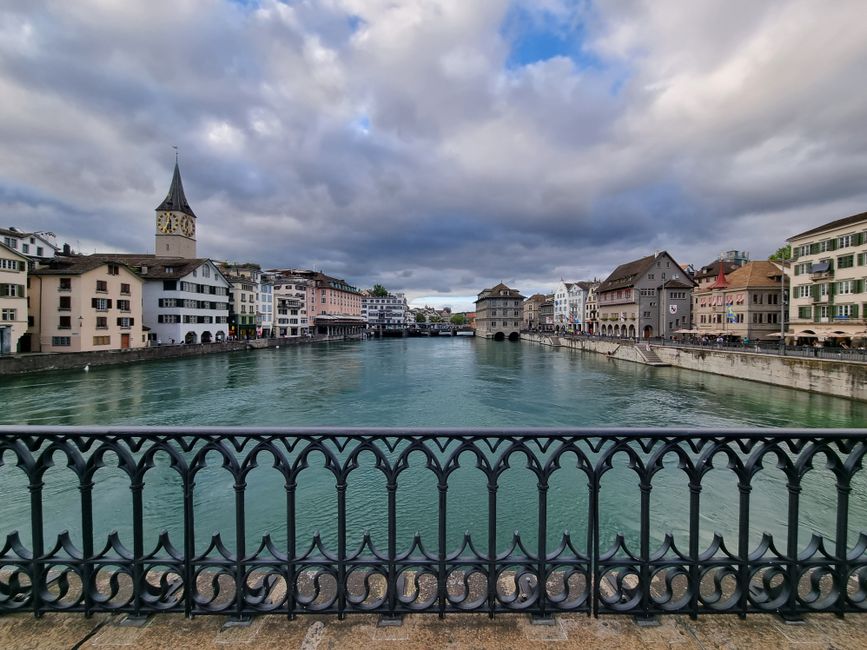
Zurich's city government moved forward on one of its most contested infrastructure projects on Wednesday, as the City Council voted 85–62 to approve the preliminary design phase for the extended tram line 7, which would terminate at Sihlcity near the Wiedikon neighbourhood by 2031. The decision caps months of heated debate between the green-left coalition pushing for expanded public transit and the centre-right bloc concerned about escalating costs and construction disruption along Badenerstrasse.
"This is a watershed moment for sustainable urban mobility," said the transport directorate in an official statement, noting the extension would serve an additional 12,000 residents and reduce car dependency in one of the city's fastest-growing quarters. Yet critics worry about the estimated CHF 380 million price tag—a figure that has already swollen from initial projections released in 2024.
The vote came during a wider municipal session dominated by budget deliberations for the coming fiscal year. City Finance Director presentations revealed that revenue pressures persist, with commercial property tax yields down 3.2 percent compared to last year. Meanwhile, demands for enhanced social services and affordable housing in central districts like Aussersihl and Industriequartier continue mounting. The city's current vacancy rate for rental flats stands at 0.8 percent—among Switzerland's lowest—fuelling pressure on the municipal government to intervene.
A separate motion introduced by SP and Green Party councillors called for CHF 45 million in additional spending on homelessness prevention and addiction support services. The proposal narrowly advanced to committee stage, signalling potential compromise territory as summer recess approaches.
Perhaps most symbolically, the council formally renamed the Europaplatz transit hub to "Platz der Vereinten Nationen," reflecting the square's role as a hub for international organizations headquartered in Zurich. The rebrand—voted 71–58—proved unexpectedly divisive, with opponents arguing it erased historical continuity. The renaming takes effect 1 September.
Meanwhile, the Stadtrat (executive council) published its mid-year performance review, highlighting progress on digitizing permit applications at the Department of Construction and Housing. Response times for residential building permits have fallen from 47 to 31 days on average. Officials credited investment in online infrastructure and staff training at the Bauverwaltung's Europaplatz office.
Next week, attention turns to education funding as the School Board presents its strategy for integrating two new campuses in Altstetten and Schwamendingen. Observers expect fiercer partisan divisions ahead as the Council prepares to finalize the full budget vote in July.
This article was compiled by AI from the sources linked above and screened before publishing. See our editorial standards.
How does this story make you feel?
Spread the word
About this article
Published by The Daily Zurich
Daily brief
Free, in your inbox before 7am. Weekdays.
More in News