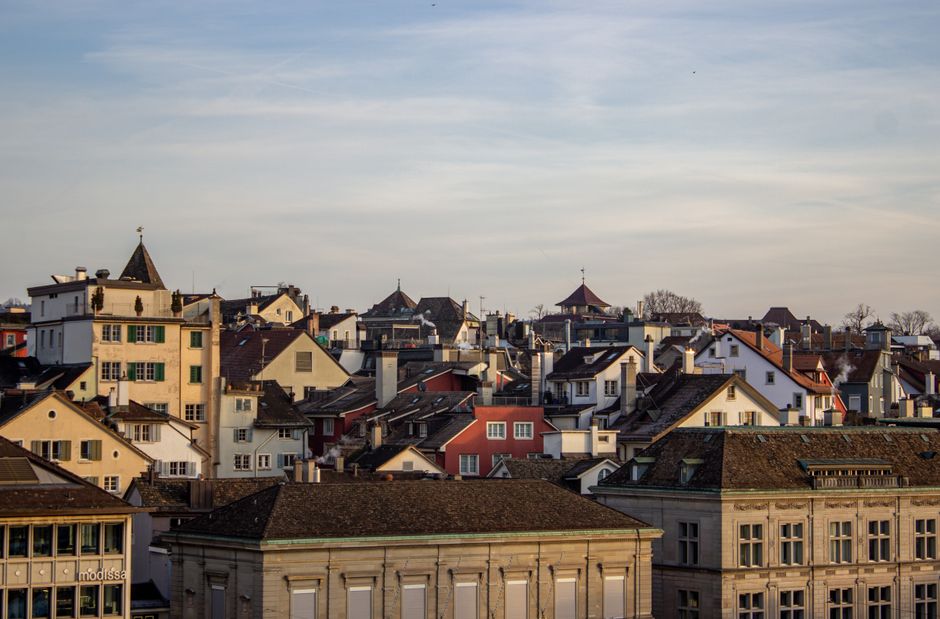
The median apartment price in Zurich's coveted Wiedikon neighbourhood has climbed past 1.2 million francs, a figure that would secure a spacious family home in most European capitals. Yet the city continues to attract global talent, international organisations, and capital flows that keep property values climbing faster than wages. The question occupying Zurich's urban planners, and increasingly their counterparts across the world, is whether there exists a housing model that can accommodate growth without pricing out the people who keep cities functional.
Zurich's response has centred on aggressive zoning reform and a legally mandated "Wohninitiative" approach, requiring developers to include affordable units in new projects. The 2024 revision of the city's building regulations mandated that 15% of new residential units in major developments fall below market rates—a requirement that has shaped the skyline around Europaplatz and the Wiedikon expansion zones. This strategy echoes policies adopted by Vienna and, more recently, Berlin, though with distinctly Swiss rigour in enforcement.
Yet Zurich's approach differs markedly from the laissez-faire deregulation championed by cities like Singapore and Melbourne, where supply-side liberalisation has theoretically reduced barriers to housing construction. In those markets, prices continue rising regardless. Zurich's planners argue their mixed model—combining density bonuses, cooperative housing incentives, and direct municipal investment through entities like Wohnen Zürich—creates stability that pure market solutions cannot.
The city's cooperative housing sector, representing nearly 20% of the residential stock, stands as a particular point of international interest. Organisations operating in neighbourhoods such as Altstetten and Aussersihl have maintained rents 20-30% below market rates for decades, creating generational stability in communities that have otherwise experienced rapid turnover. Housing economists from London to Toronto have studied these models, yet replication remains difficult without Switzerland's unique legal frameworks and capital reserves.
However, even Zurich's celebrated approach shows strain. The city approved only 4,200 new residential units in 2024—below the estimated need of 5,500 annually to accommodate migration and household formation. Rents in surrounding cantons like Thurgau and Aargau have surged as workers commute increasingly longer distances, a pattern echoing crises in London's outer zones and San Francisco's Bay Area sprawl.
International observers note that Zurich's success ultimately reflects advantages unavailable to most peers: concentrated wealth, political stability, and fiscal capacity to subsidise housing as infrastructure. For cities without these foundations, the real lesson may be humbler: no single policy solves the housing equation. Zurich's strength lies not in a revolutionary model, but in persistent, multi-layered intervention—a approach neither as romantic as cooperative housing advocates nor as efficient as market theorists might hope.
This article was compiled by AI from the sources linked above and screened before publishing. See our editorial standards.