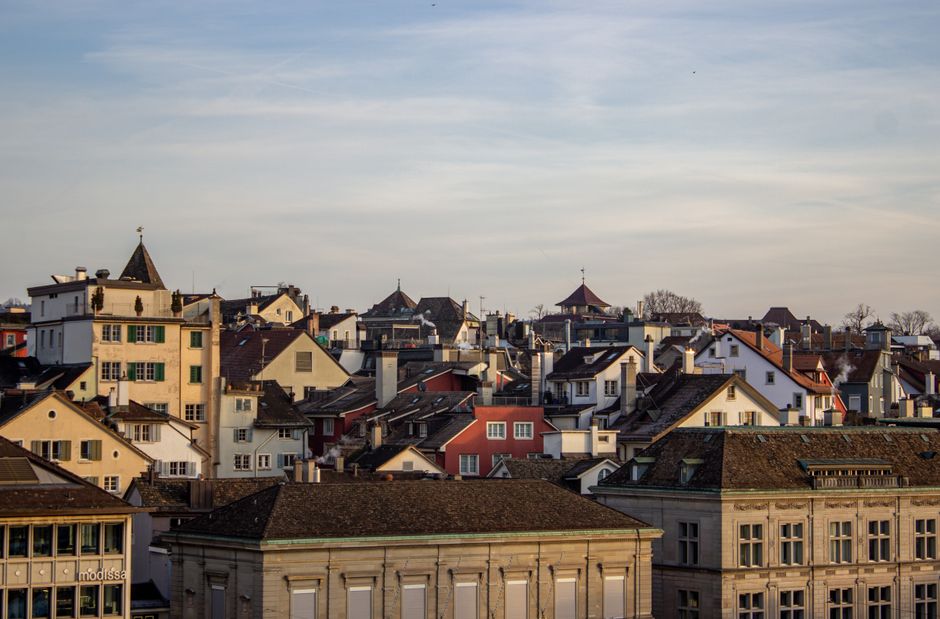
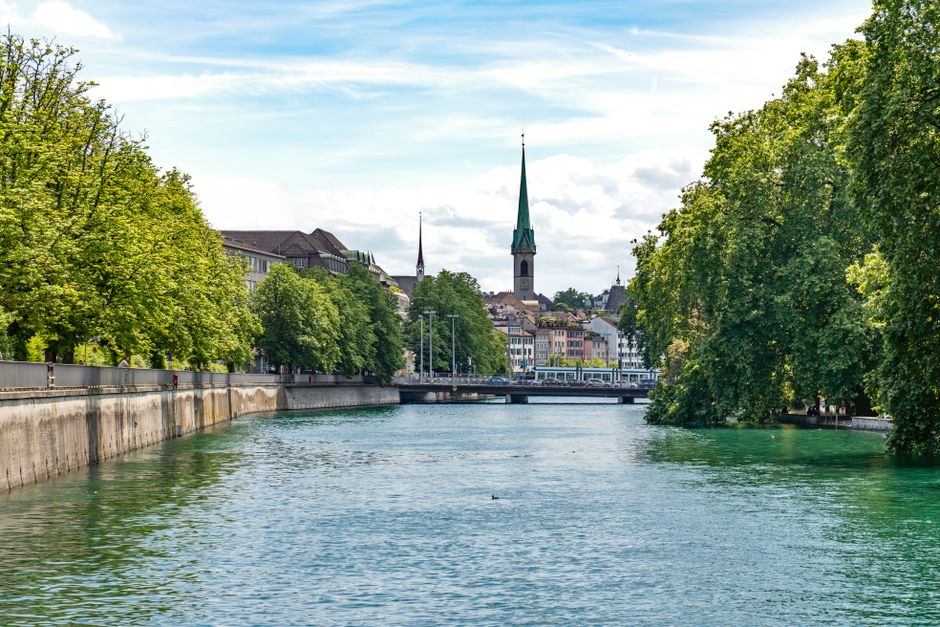
A decade ago, the streets around Badenerstrasse in Zurich's Wiedikon district told a different story. Vacant shopfronts lined the thoroughfare, crime statistics consistently ranked the neighbourhood among the city's highest, and a sense of resignation had settled over residents who watched wealthier quarters like Enge and Seefeld absorb the city's investment and attention.
Today, that same corridor buzzes with independent cafés, artist collectives, and community centres—a transformation that didn't happen by accident or overnight. Understanding how Wiedikon arrived at this pivotal moment reveals the architectural blueprint of neighbourhood renewal in a city where real estate pressures and demographic shifts constantly reshape identity.
The turning point came around 2018, when a coalition of local residents, shop owners, and the Wiedikon Quartierverein began systematically documenting the neighbourhood's potential rather than its problems. "We stopped waiting for the city to save us," one local organiser explained in interviews at the time. The data they compiled was stark: rental vacancy rates had climbed to 12 percent—double the city average—while commercial properties sat empty for an average of 18 months.
What followed was methodical. The Quartierverein partnered with the Stadt Zürich's cultural department to subsidise short-term artist leases on vacant spaces. Between 2019 and 2024, thirty-seven pop-up galleries, workshops, and performance venues opened. More importantly, they stayed. Property owners, seeing community momentum, began pricing long-term leases more competitively. Average rents on Badenerstrasse stabilized at 2,200 francs per month—significantly lower than surrounding neighbourhoods.
The community garden initiative on Zukunftsstrasse, launched in 2020, became emblematic of the shift. What began as 400 square metres of neglected municipal land transformed into a gathering space that hosted over sixty events last year alone, drawing residents from across the district.
Yet this narrative of revival carries important caveats. As property values rose by an average of 8 percent annually between 2022 and 2026, affordability pressures intensified. Long-time residents reported rising rents and mounting pressure from developers eyeing the neighbourhood's newfound desirability. The very ingredients that made Wiedikon attractive—character, space, community—now threatened to price out the people who built it.
The neighbourhood stands at an inflection point. Local activists now lobby the city council for rent protections and affordable housing quotas in new developments. It's a reminder that community revival, however genuine, remains fragile without systemic safeguards. Wiedikon's journey from neglect to vitality offers Zurich a crucial lesson: neighbourhoods don't transform through market forces alone—they require sustained civic engagement, strategic patience, and constant vigilance against the forces that created the original decline.
This article was compiled by AI from the sources linked above and screened before publishing. See our editorial standards.