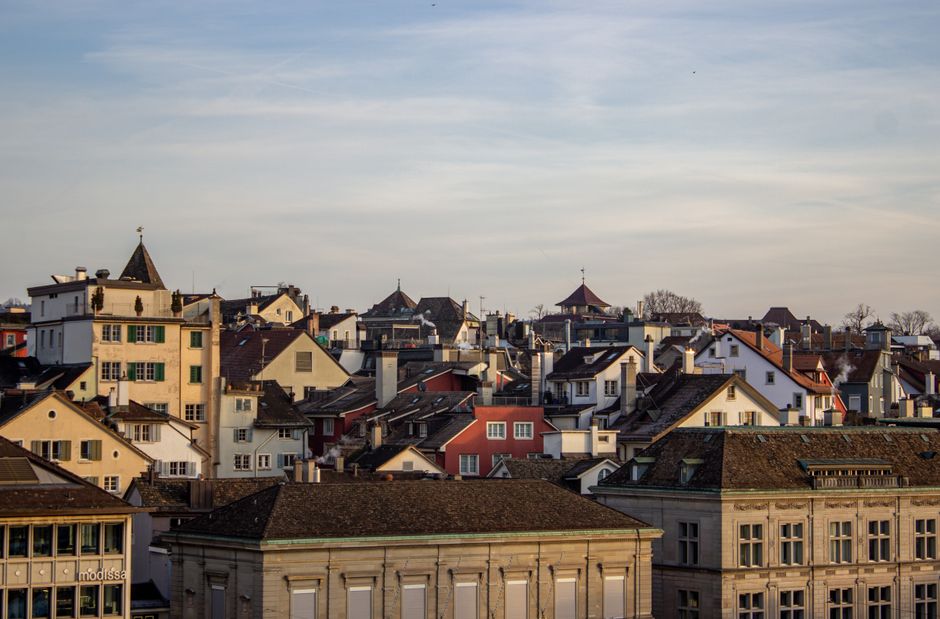
The shortage of affordable student housing in Zurich has evolved from a perennial complaint into an economic vulnerability that threatens the city's reputation as a global research hub. As of this summer, monthly rents for a modest shared apartment near the Polytechnic on the Hönggerberg or close to UZH's main campus on Rämistrasse regularly exceed 900 francs—a jump of nearly 15 per cent in just three years, according to local housing data.
The squeeze is reshaping Zurich's educational landscape. Both the University of Zurich and the Swiss Federal Institute of Technology have reported declining acceptance rates among promising doctoral candidates and postdoctoral researchers from abroad, with housing costs cited as a primary deterrent. The ripple effects extend far beyond dormitory beds: academic recruitment fuels the biotech, pharmaceutical, and tech sectors that anchor Zurich's economy and tax base.
"We're competing with Basel, Lausanne, and increasingly with German universities offering better living arrangements," said one UZH administrator, speaking anonymously about institutional concerns. Zurich's position as a magnet for international talent has been foundational—foreign-born researchers comprise roughly 60 per cent of the university's postdoctoral workforce.
The problem concentrates in traditionally student-friendly neighbourhoods. Wiedikon, long a haven for younger scholars and trainees, has gentrified rapidly, with landlords converting shared houses into luxury apartments. Aussersihl and parts of Altstetten, where students once found reasonably priced accommodation, now face similar pressures as property developers eye redevelopment opportunities.
The city government acknowledges the crisis. In May, the cantonal education ministry pledged 180 million francs over the next decade to expand student housing—a substantial commitment, but one arriving as demand accelerates. UZH and ETH jointly operate roughly 4,200 beds through the Wohnfonds für Studierende foundation, yet this covers only about 18 per cent of the combined 50,000-plus student population.
For Zurich residents, the stakes are tangible. Universities and associated research institutions employ over 16,000 people directly and generate estimated indirect economic activity exceeding 5 billion francs annually. When top researchers choose other cities, they take grants, collaborations, and prestige with them.
The new housing initiative, targeting completion by 2035, focuses on Zurich's periphery—areas like Hongg and Schwamendingen—hoping to ease pressure while keeping costs sustainable. But planners acknowledge that unless private landlords participate meaningfully, Zurich risks cementing a reputation as an expensive, inhospitable destination for the next generation of global scholars.
This article was compiled by AI and screened before publishing. See our editorial standards.