How Zurich's Integration Model Stacks Up Against Europe's Migration Hotspots
As cities worldwide grapple with rapid demographic shifts, Zurich's pragmatic approach to multicultural cohesion offers lessons—and challenges.
As cities worldwide grapple with rapid demographic shifts, Zurich's pragmatic approach to multicultural cohesion offers lessons—and challenges.
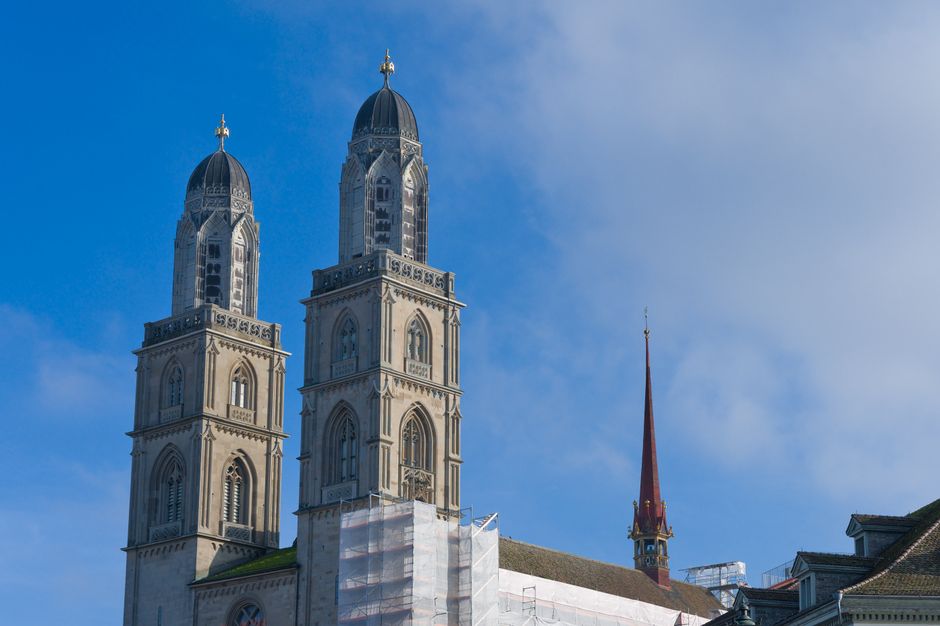
Zurich's Aussersihl district has transformed dramatically over the past two decades. Once predominantly working-class Swiss, the neighbourhood around Helvetiaplatz now hosts residents from over 80 nations, with immigrants and their descendants comprising nearly 60% of the population. Yet unlike Paris's segregated banlieues or Berlin's tension-prone Neukölln, Zurich has largely avoided the polarization that defines Europe's migration debate.
The difference lies not in demographic luck, but deliberate policy. The city's integration strategy—codified in the 2007 Integration Act—emphasises early language acquisition and employment pathways rather than assimilationist ideology. Children in Zurich schools spend an average of 300 hours annually on German instruction, compared to 150 hours in comparable Frankfurt programmes. The cost is substantial: CHF 45 million annually from the cantonal budget. Yet the returns are measurable. Youth unemployment among second-generation migrants in Zurich hovers at 8.2%, significantly below the 14% average in comparable German cities.
The Quartiertreffpunkt centres—neighbourhood hubs scattered across Wiedikon, Altstetten, and Schwamendingen—offer free language courses, job placement assistance, and cultural mediators. These aren't merely social services; they're infrastructure for shared civic life. A recent audit by the Migration Policy Institute found Zurich's model generates approximately CHF 2.8 billion in annual economic output from migrant entrepreneurs, compared to an estimated 35% lower contribution in cities relying primarily on exclusionary policies.
However, Zurich is not immune to global pressures. Right-wing parties have gained traction, with the Swiss People's Party capturing 27% of the vote in last year's cantonal elections partly on immigration platforms. The Kreis 4 neighbourhood, long a symbol of successful coexistence, has seen rising property values and displacement—a familiar pattern in successful, wealthy cities from Amsterdam to Copenhagen.
Integration advocates point to the Zurich Integration Forum, an annually convened platform bringing together municipal officials, business leaders, and community representatives, as crucial to maintaining consensus. There are no perfect models in migration management, but Zurich's commitment to concrete infrastructure—language programmes, employment support, neighbourhood spaces—rather than rhetoric-driven policy distinguishes it globally.
As migration pressures intensify worldwide, whether Zurich can sustain this balance amid demographic change and political headwinds remains the defining question for Swiss cities heading into the next decade.
This article was compiled by AI from the sources linked above and screened before publishing. See our editorial standards.
How does this story make you feel?
Spread the word
About this article
Published by The Daily Zurich
Daily brief
Free, in your inbox before 7am. Weekdays.
More in News