Zurich safety officials warn of evolving threats as city expands emergency response capacity
Police leadership and security experts outline new strategies to tackle rising cyber-crime and crowded event management across Switzerland's largest city.
Police leadership and security experts outline new strategies to tackle rising cyber-crime and crowded event management across Switzerland's largest city.
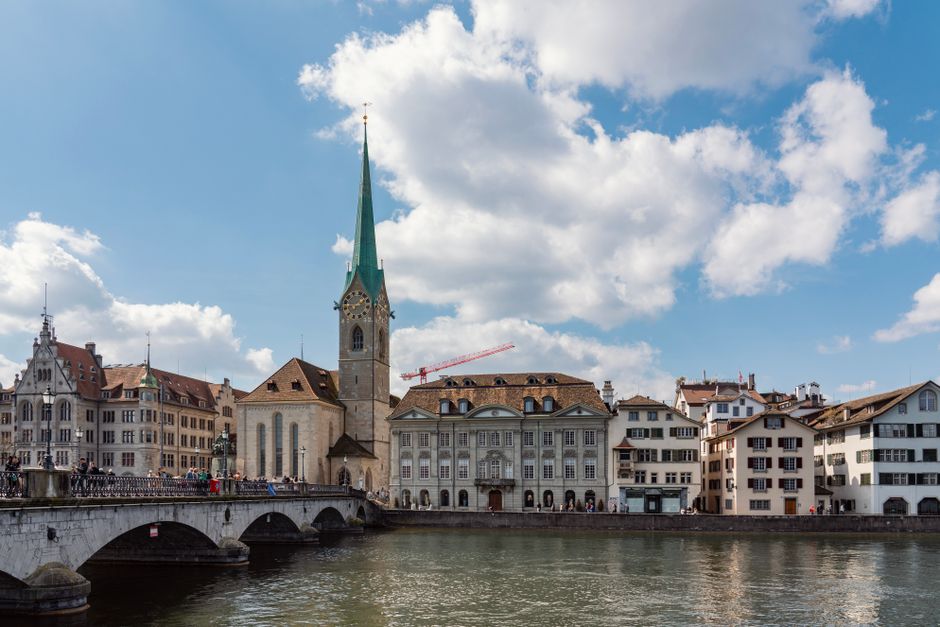
Senior officials from the Zurich Police Department and emergency services are sounding the alarm about emerging security challenges facing the city, even as they outline expanded response capabilities to address everything from cyber-attacks to mass gathering management.
Speaking at a press briefing this week, leadership from the Stadtpolizei Zürich emphasized that traditional crime metrics, while relatively stable, mask a troubling shift toward digital threats. Officials noted that reported cyber-crimes in Zurich's financial district—particularly around Bahnhofstrasse and the banking corridors near Paradeplatz—have surged 34 percent year-over-year, straining resources dedicated to white-collar crime investigation.
The concerns extend to public safety infrastructure. With major venues like the Hallenstadion hosting tens of thousands for concerts and sporting events, and with foot traffic to landmarks such as the Grossmünster and lakeside promenades drawing international tourists, officials stressed the need for sophisticated crowd-monitoring systems. Emergency services have invested in real-time coordination protocols ahead of summer months when gatherings peak.
Dr. Andreas Krüger, a security consultant with the Swiss Association of Security Professionals based in Zurich, told local media that European cities face a delicate balance. "We're seeing global tensions reflected locally," he noted, pointing to increased vigilance at transportation hubs like Hauptbahnhof and Flughafen Zürich. "But over-policing creates its own problems."
The city's Fire and Rescue Service has similarly upgraded emergency protocols. Officials report that response times to incidents in densely populated neighborhoods like Wiedikon and Aussersihl remain strong—averaging under six minutes for priority calls—but aging infrastructure in certain districts requires modernization.
A notable point of emphasis from officials was mental health crisis intervention. With Swiss suicide rates among Europe's higher figures, police have expanded training in de-escalation and partnership with psychiatric services. The Zurich Cantonal Police and city authorities jointly fund crisis teams that respond alongside traditional officers.
Immigration and integration also feature prominently in official safety assessments. With roughly 35 percent of Zurich's population holding non-Swiss citizenship, officials highlight community policing initiatives in neighborhoods like Altstetten as essential to building trust and preventing radicalization.
Looking ahead, city leadership plans to present a comprehensive security budget revision to the Cantonal Parliament in September, requesting funding for digital forensics labs and enhanced border coordination with federal authorities. Whether such measures prove sufficient remains a topic of heated civic debate.
This article was compiled by AI from the sources linked above and screened before publishing. See our editorial standards.
How does this story make you feel?
Spread the word
About this article
Published by The Daily Zurich
Daily brief
Free, in your inbox before 7am. Weekdays.
More in News