While Global Cities Struggle, Zurich's Transport ...
As major infrastructure projects grind on in Berlin and San Francisco, Switzerland's largest city is demonstrating a different model for modernising mobility.
As major infrastructure projects grind on in Berlin and San Francisco, Switzerland's largest city is demonstrating a different model for modernising mobility.
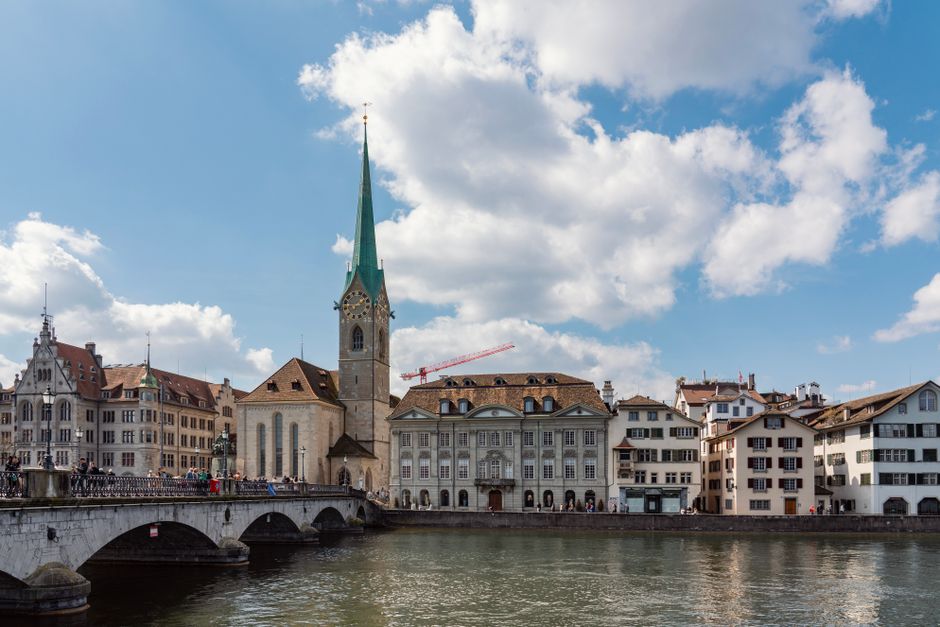
Construction sites are a fact of life in every major city, but few handle the inconvenience with the efficiency Zurich has cultivated over recent decades. While Berlin's Lehrter Bahnhof project dragged on for over a decade at nearly triple its original budget, and San Francisco's BART expansion continues to face spiralling costs, Zurich's approach to transport infrastructure offers a strikingly different narrative.
The city's crown jewel remains the Durchmesserlinie (Cityring), completed in 2015 at a cost of 4.5 billion Swiss francs. Though substantial, the project came in on schedule despite its complexity—a feat that stands in sharp contrast to comparable transit megaprojects abroad. The line now handles roughly 280,000 passenger journeys daily, weaving through traditionally congested zones like Altstetten and connecting previously disparate neighbourhoods along a clean, efficient circle.
The secret lies partly in planning discipline and partly in Switzerland's federal structure. Zurich's transport authority, the ZVV, operates with a 20-year strategic roadmap that has proven remarkably stable across political cycles. Investment decisions are made transparently, with clear cost-benefit analyses and public consultation—not retrofitted around budget overruns.
Current projects reveal this same pragmatism. The expansion of the S-Bahn network into surrounding cantons, budgeted at 6 billion francs through 2035, is proceeding with minimal fanfare but considerable precision. Compare this to London's Elizabeth Line, which ballooned to £19 billion and delayed opening by years, or Copenhagen's metro extensions that have faced repeated cost escalations.
Zurich's advantage also stems from political will around congestion pricing and modal shift. The city has successfully reduced private vehicle use to just 28 per cent of commute trips—among the lowest in Europe—through integrated tram, bus, and rail networks. This reduces the temptation to build motorway expansions, which often become the costliest and most politically fraught infrastructure decisions.
Yet challenges remain. The planned Uetliberg rail tunnel and the ongoing modernisation of Hauptbahnhof's capacity present tests of whether Zurich can maintain its track record amid climate-driven pressure for rapid decarbonisation. Initial estimates suggest 3.2 billion francs, but stakeholders are watching closely.
What other cities see as intractable problems—ageing infrastructure, population growth, climate targets—Zurich treats as design parameters. The result is a city where construction disruption feels manageable, budgets hold, and new transit lines actually open when promised. In an era when infrastructure megaprojects routinely disappoint, that's become a luxury few can afford.
This article was compiled by AI from the sources linked above and screened before publishing. See our editorial standards.
How does this story make you feel?
Spread the word
About this article
Published by The Daily Zurich
Daily brief
Free, in your inbox before 7am. Weekdays.
More in News