How Zurich Became Switzerland's Most Diverse City: A ...
From restrictive naturalization laws to today's multicultural neighbourhoods, Zurich's evolution reflects Switzerland's complicated relationship with immigration.
From restrictive naturalization laws to today's multicultural neighbourhoods, Zurich's evolution reflects Switzerland's complicated relationship with immigration.
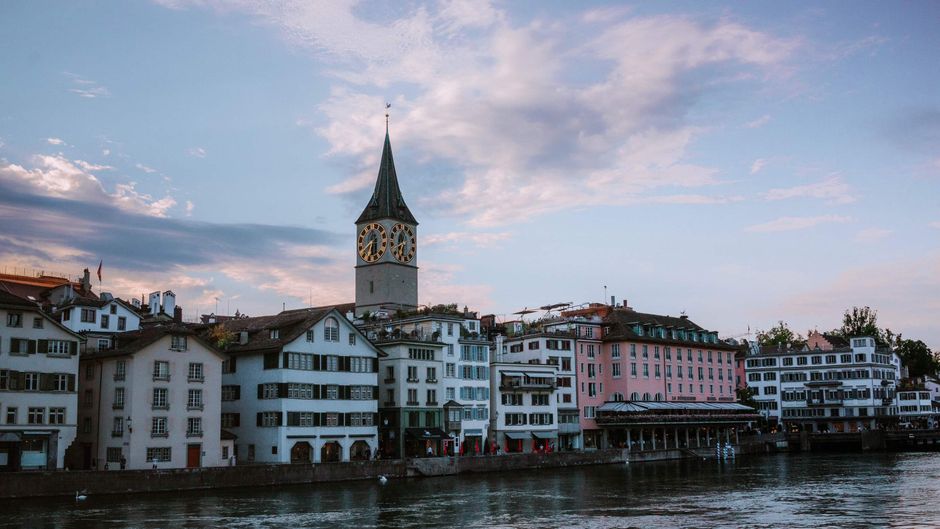
Walk through the Wiedikon district on a Saturday morning, and you'll hear Mandarin, Arabic, Portuguese, and a dozen other languages before you've reached the weekly market on Militärstrasse. Today, nearly 38 per cent of Zurich's 400,000 residents are foreign-born—a figure that would have seemed unimaginable three decades ago, when Switzerland maintained some of Western Europe's strictest immigration policies.
The transformation didn't happen overnight. In 1991, Switzerland's foreign population stood at roughly 1.1 million people, concentrated in industrial zones and working-class neighbourhoods. Most were temporary workers with limited rights, kept deliberately transient by cantonal regulations that made naturalization nearly impossible. Back then, acquiring Swiss citizenship could take up to 12 years and required approval from local councils who wielded near-absolute discretion.
Zurich's shift began quietly in the late 1990s, driven by economic necessity and generational change. As the financial services sector exploded in the Europaplatz and Paradeplatz areas, companies complained they couldn't recruit top talent without immigration reform. Simultaneously, a younger generation of Swiss-born children of migrants began pushing for recognition, challenging the implicit two-tier system that defined their families as perpetual outsiders.
The legal architecture slowly cracked. In 2004, Switzerland implemented a more standardized naturalization framework, reducing the typical timeline to five years. Cantonal governments, including Zurich's, gradually loosened requirements. By 2018, Zurich's parliament voted to allow third-generation immigrants easier access to citizenship—acknowledging that integration was less about formal status and more about lived experience in neighbourhoods like Aussersihl and Altstetten.
Today's reality reflects these policy shifts. The Quartier Afro-Caribéen around Helvetiaplatz thrives with cultural organizations and restaurants; the Letzigrund stadium neighbourhood hosts a thriving Vietnamese business corridor; Wiedikon has emerged as a hub for emerging African diaspora communities. Housing costs have surged accordingly—a one-bedroom flat in Wiedikon now averages 2,200 francs monthly, up from 1,400 francs a decade ago, partly reflecting the neighbourhood's desirability.
Yet tensions persist. Integration continues unevenly across neighbourhoods, employment discrimination remains documented, and political pushback against immigration policy resurfaces regularly. Recent global events—instability in the Middle East, migration pressures across Africa, economic uncertainty—have reignited debates about how open Zurich's doors should remain.
Understanding today's multicultural Zurich requires acknowledging this context: it's not a spontaneous flowering of diversity, but the outcome of deliberate policy choices, economic pressures, and persistent advocacy from communities fighting for belonging.
This article was compiled by AI from the sources linked above and screened before publishing. See our editorial standards.
How does this story make you feel?
Spread the word
About this article
Published by The Daily Zurich
Daily brief
Free, in your inbox before 7am. Weekdays.
More in News