Wiedikon residents speak out against rising rents: 'Our neighbourhood is disappearing'
As property values surge across Zurich's traditionally affordable districts, long-time residents fear displacement and the loss of community character.
As property values surge across Zurich's traditionally affordable districts, long-time residents fear displacement and the loss of community character.
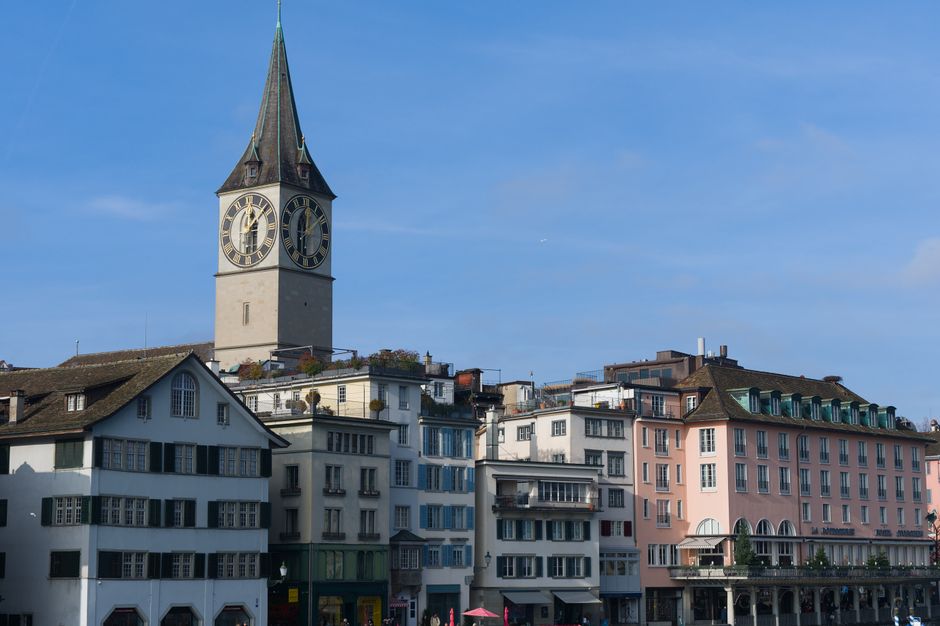
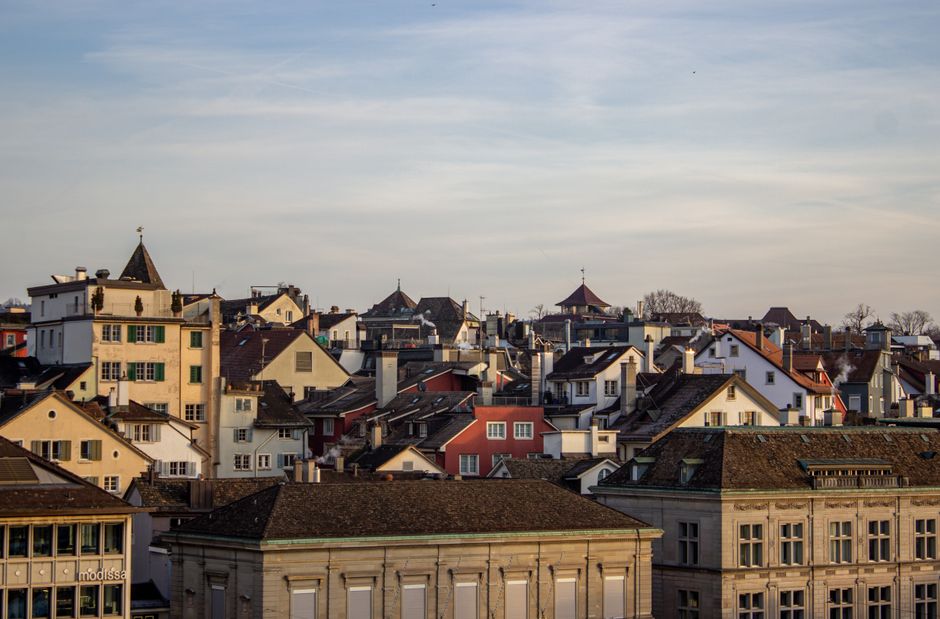
Walking along Quellenstrasse in Wiedikon on a Monday afternoon, the transformation is unmistakable. Where modest family apartments once dominated, renovated townhouses now command rents exceeding 3,500 francs per month. For residents who have called this neighbourhood home for decades, the shift feels seismic.
"This used to be a place where teachers, nurses, and young families could actually afford to live," says a Wiedikon community advocate who has witnessed the area's evolution firsthand. The average rent in the district has climbed approximately 18 per cent over the past three years, according to local property analysis, pricing out the very demographic that built the neighbourhood's identity.
The Wiedikon Community Centre, located near the Bhf. Wiedikon, has become a focal point for residents grappling with these changes. Staff members report increasing footfall from anxious residents seeking housing advice and community support—concerns that barely surfaced five years ago. The centre's director notes that neighbourhood cohesion depends on economic diversity, something now threatened by rapid gentrification.
Maria Schmid, who runs a small grocery on Sihlstrasse, observes the customer base shifting. "The regulars who knew everyone are leaving. New residents are nice enough, but they come from different backgrounds, different priorities," she reflects. Small businesses like hers—independent retailers and artisan shops that characterised Wiedikon—struggle to maintain viability as commercial rents follow residential ones upward.
Yet the picture is complex. Some residents welcome improved infrastructure and reduced vacancy rates. Younger professionals moving into modernised apartments appreciate proximity to the city centre and the area's cultural offerings. The tension reveals a fundamental urban challenge: balancing neighbourhood revitalisation with housing affordability and community stability.
Local organisations are mobilising responses. Neighbourhood associations have begun advocating for protected rental agreements and cooperative housing models. The city's housing cooperative sector—which manages approximately 15 per cent of Zurich's residential stock—is being examined as a potential solution to preserve affordability.
As June transitions to summer, Wiedikon residents remain cautiously watching their neighbourhood's trajectory. For many, the question isn't whether change will come, but whether their community can evolve without losing the identity that made it worth living in during the first place.
This article was compiled by AI from the sources linked above and screened before publishing. See our editorial standards.
How does this story make you feel?
Spread the word
About this article
Published by The Daily Zurich
Daily brief
Free, in your inbox before 7am. Weekdays.
More in News