Zurich's Green Week Accelerates: Major Transit Overhaul ...
This week brought sweeping environmental commitments from the canton and private sector, including expanded tram networks and aggressive emissions targets affecting millions of commuters.
This week brought sweeping environmental commitments from the canton and private sector, including expanded tram networks and aggressive emissions targets affecting millions of commuters.
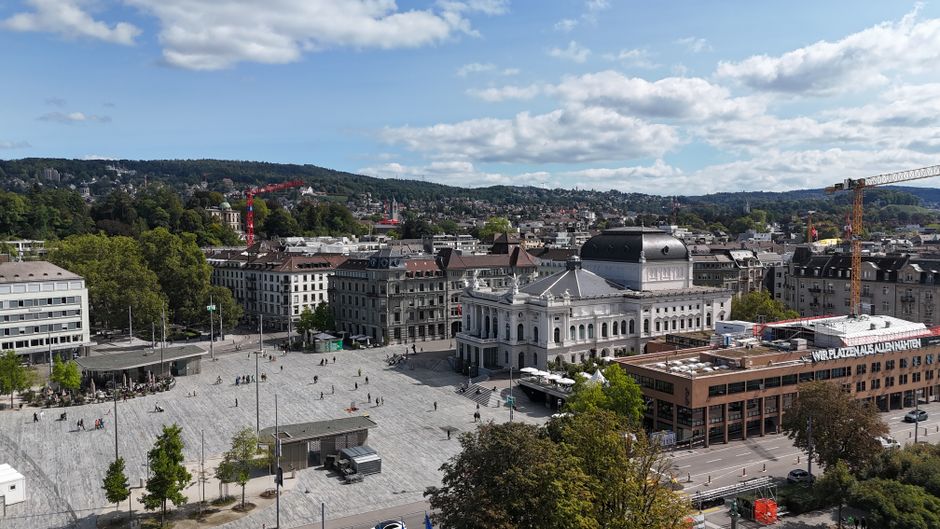
Zurich's sustainability agenda surged forward this week with three major announcements that signal the city's intensifying push toward carbon neutrality by 2040. The developments underscore how Switzerland's largest metropolitan area is translating climate commitments into concrete infrastructure and policy changes.
On Monday, cantonal authorities unveiled an expanded public transport modernisation plan centred on the Limmattal region. The project will extend tram lines deeper into suburban areas including Altstetten and Wiedikon, with the goal of reducing private vehicle dependency by an estimated 15 percent over the next decade. The expansion carries a price tag of 2.8 billion francs and represents the most ambitious transit overhaul since the early 2000s.
"The numbers speak clearly," said a spokesperson for the Zurich Transport Authority, explaining that current tram usage has grown by 22 percent since 2015. The new infrastructure aims to capitalise on this momentum while reducing transport-related emissions, which account for roughly 28 percent of the canton's total carbon footprint.
Wednesday brought equally significant news from the business sector. Several major corporations headquartered in the Europaallee district—including pharmaceutical and financial services firms—jointly announced binding net-zero emission targets for 2035. The pledge encompasses their operations and supply chains, affecting approximately 180,000 employees. Industry observers noted this represents a meaningful acceleration from previous voluntary commitments.
Perhaps most visibly, the City of Zurich confirmed this week that it will convert its entire municipal refuse collection fleet to electric vehicles by 2029. Currently, approximately 280 diesel trucks service the city's waste management operations. The transition, budgeted at 156 million francs, will eliminate roughly 8,000 tonnes of CO₂ annually from municipal operations alone.
These announcements arrive as Switzerland grapples with intensifying climate pressures. Federal data released last month showed Swiss greenhouse gas emissions remain 35 percent above 1990 levels when adjusted for imported goods—a sobering reminder that urban areas like Zurich must accelerate efforts significantly.
The developments have generated mixed reactions. Environmental advocacy groups praised the commitments as essential steps, while some business representatives expressed concerns about implementation costs and timelines. The cantonal government has scheduled public consultations on the transit expansion throughout July and August at venues including the Kulturzentrum Kosmos in Zurich West.
Officials emphasise these initiatives represent only partial solutions. Experts note that achieving the 2040 target will require parallel progress in building renovation, renewable energy adoption, and behavioural shifts among residents—challenges that will test the city's resolve in the years ahead.
This article was compiled by AI from the sources linked above and screened before publishing. See our editorial standards.
How does this story make you feel?
Spread the word
About this article
Published by The Daily Zurich
Daily brief
Free, in your inbox before 7am. Weekdays.
More in News