As Migration Reshapes Global Cities, Zurich Charts Its Own Course
While London, Berlin, and Singapore struggle with rapid population influx, Switzerland's largest city is deploying a distinctly Swiss approach to welcoming newcomers.
While London, Berlin, and Singapore struggle with rapid population influx, Switzerland's largest city is deploying a distinctly Swiss approach to welcoming newcomers.
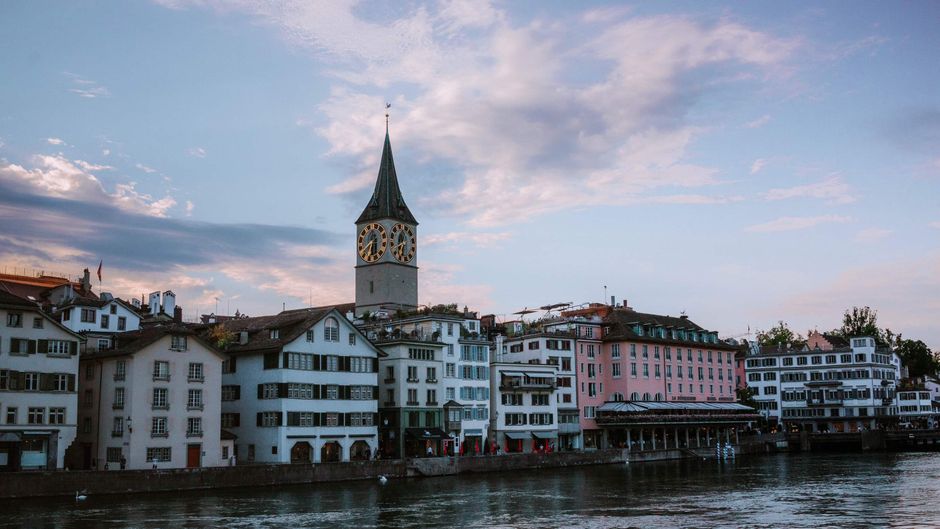
Zurich's reputation for precision extends to how it manages one of Europe's most complex demographic challenges: integrating newcomers into an increasingly diverse metropolis. With roughly 35% of residents holding foreign citizenship—higher than Berlin's 22% but lower than London's 38%—the city has developed integration mechanisms that stand apart from comparable global hubs.
Unlike London's sink-or-swim private rental market or Berlin's acute housing shortage, Zurich operates a more structured system. The city's Wohnberatung (housing advisory service) actively assists newcomers in navigating the notoriously opaque Swiss property market. While rents in coveted neighbourhoods like Wiedikon average CHF 2,800–3,500 for a two-bedroom apartment, the city publishes standardized rental agreements and maintains transparent landlord registries—mechanisms largely absent in comparable cities.
Integration offices in districts such as Kreis 4 (Aussersihl) and Kreis 5 (Industriequartier) offer free language courses and civic orientation workshops, distinguishing Zurich from cities like Singapore, where newcomers often rely on private expatriate networks. The Forum für Interkulturelle Fragen, a municipal body dedicated to cultural dialogue, actively mediates between established residents and arrivals—an institutional commitment less visible in competitor cities grappling with political backlash against immigration.
Yet Zurich is hardly exempt from tensions. Recent cantonal debates over housing affordability and school capacity mirror pressures faced by Toronto and Amsterdam. The city's strict building codes, designed to preserve its character, paradoxically constrain housing supply and inflate prices—pushing many newcomers toward satellite towns like Dietikon or Winterthur.
Where Zurich diverges most clearly is in its deliberate pace. Whereas London and Singapore aggressively court international talent with startup visas and financial incentives, Zurich maintains stringent cantonal employment thresholds and integration timelines. This conservatism reflects Swiss federal structure: housing, education, and social services remain partially decentralized, creating friction but also accountability closer to residents.
The Limmat Valley tech corridor now rivals Berlin's startup scene, yet without the latter's acute housing crisis. That stability comes at a cost: Zurich ranks among the world's most expensive cities. A newcomer's calculus differs sharply from London or Barcelona, where affordability attracts global mobility; here, relocation typically follows employment sponsorship, creating a more stratified newcomer demographic.
For those navigating the move, the message is clear: Zurich offers integration infrastructure and legal certainty unmatched in comparable cities—but demands patience, capital, and acceptance of a deliberate, regulated approach to change.
This article was compiled by AI from the sources linked above and screened before publishing. See our editorial standards.
How does this story make you feel?
Spread the word
About this article
Published by The Daily Zurich
Daily brief
Free, in your inbox before 7am. Weekdays.
More in News