By the Numbers: What Zurich's €3.2 Billion Transit Overhaul Really Means
As the city embarks on its most ambitious infrastructure push in decades, the data reveals a complex picture of congestion, investment, and competing priorities.
As the city embarks on its most ambitious infrastructure push in decades, the data reveals a complex picture of congestion, investment, and competing priorities.
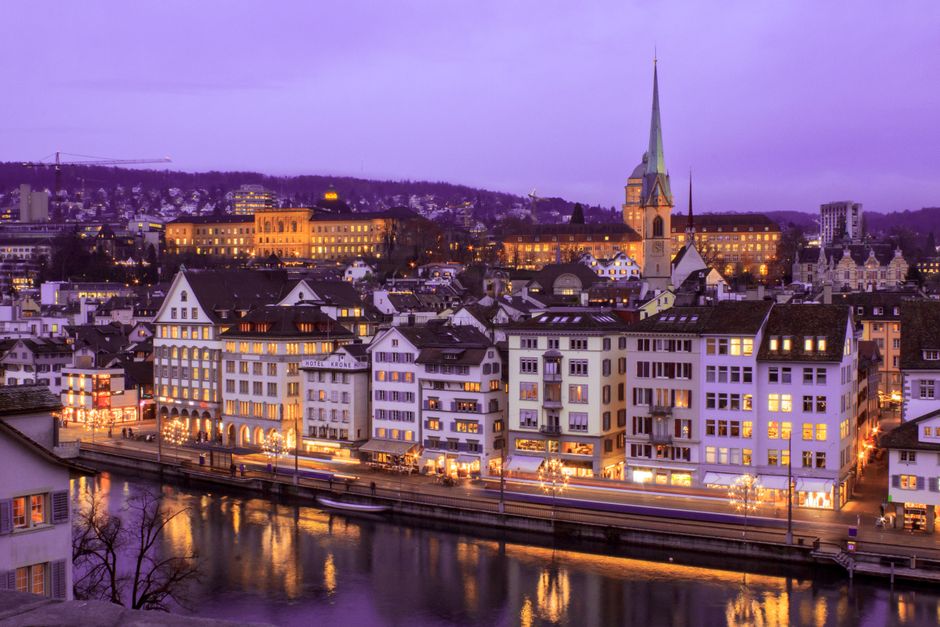
Zurich's transport infrastructure sits at a crossroads. The city's 415,000 residents generate approximately 1.8 million journeys daily—a figure that has climbed 23 per cent since 2015, according to the Verkehrsbetriebe Zürich (VBZ). This surge has prompted city planners to greenlight a series of major projects totalling €3.2 billion, but the numbers behind these initiatives tell a story far more nuanced than simple growth.
The most visible scheme involves the expansion of the U6 metro line from Altstetten to Hongg, a 12-kilometre extension that will cost €1.4 billion and serve an estimated 125,000 additional daily passengers by 2035. Construction began in 2024, with completion targeted for 2032. That timeline matters: Swiss Federal Statistical Office data shows that the Altstetten and Hongg districts have experienced housing growth of 18 and 22 per cent respectively over the past decade, outpacing the city's 12 per cent average. The U6 expansion is essentially a race against residential density.
Meanwhile, the Europaplatz redesign—a €340 million project reshaping Zurich's central rail hub—aims to reduce congestion in one of Europe's busiest train stations. The Swiss Federal Railways (SBB) reports that Hauptbahnhof Zürich handles 2,900 train movements daily, accommodating some 750,000 passengers weekly. Peak-hour platforms operate at 94 per cent capacity. The redesign promises to increase this to 97 per cent safely, a marginal improvement that costs roughly €3.5 million per percentage point of capacity gain.
Cycling infrastructure tells another data story. The city has committed €45 million to expand bike lanes by 89 kilometres by 2030. Currently, 13 per cent of Zurich's journeys are made by bicycle, a figure planners hope to push to 16 per cent. Each percentage point represents roughly 29,000 daily trips. Given that cycling infrastructure costs approximately €500,000 per kilometre in urban Zurich (compared to €8 million per kilometre for metro expansion), the mathematics favour pedal power for planners watching budgets tighten.
Perhaps most telling: the city's budget for transport infrastructure has grown from 2.1 per cent of total municipal spending in 2015 to 3.7 per cent today. That sounds significant until you consider inflation and the €7.8 billion annual operating costs of maintaining existing systems. The infrastructure investments, while substantial, represent a relatively modest acceleration relative to the city's €16 billion annual budget.
As Zurich faces the reality of 2.1 million residents by 2050—a 48 per cent increase from today—these numbers suggest the city is building, but perhaps not quite fast enough.
This article was compiled by AI from the sources linked above and screened before publishing. See our editorial standards.
How does this story make you feel?
Spread the word
About this article
Published by The Daily Zurich
Daily brief
Free, in your inbox before 7am. Weekdays.
More in News