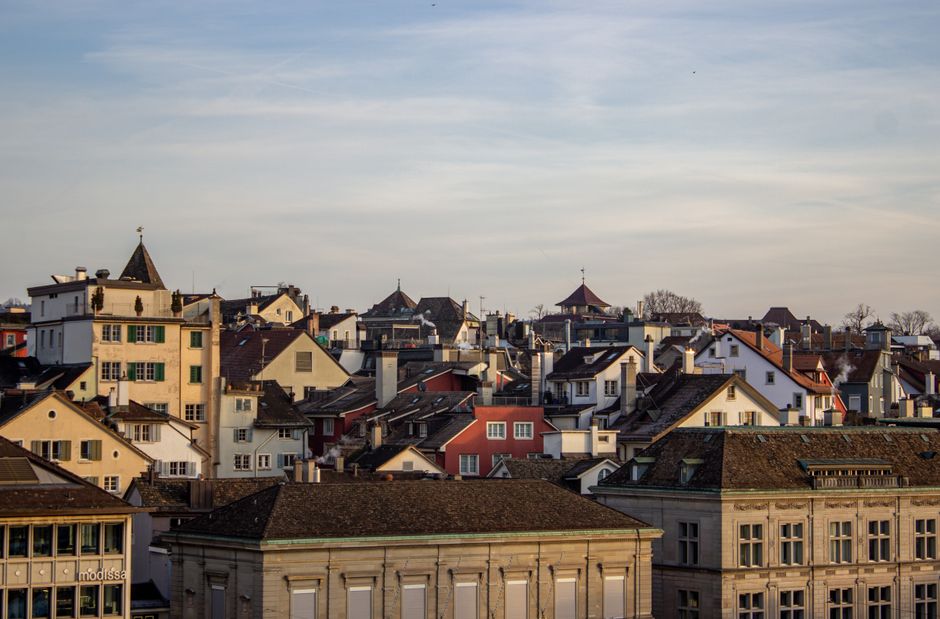
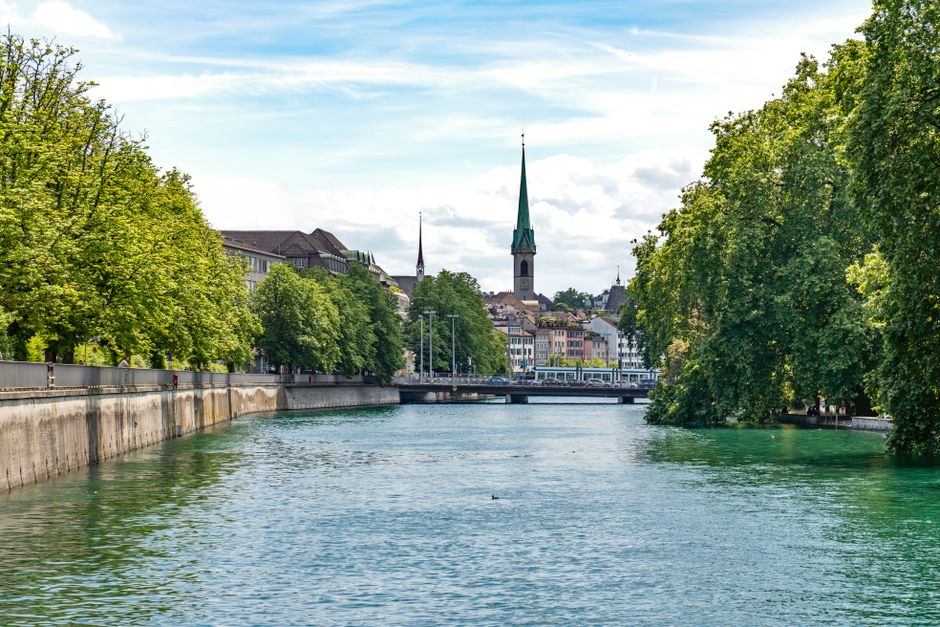
Wiedikon is at a crossroads. Once affordable and vibrant, the neighbourhood south of the Sihl has become unrecognizable to long-time residents as rents have climbed 34 per cent in five years. A one-bedroom apartment now averages CHF 2,480 monthly—a threshold that forces many families and younger workers toward the periphery or out of Zurich entirely.
The pressure is visible on Gertrudstrasse and around Wollishofen station, where conversion projects and luxury renovations are accelerating. The city's latest housing census showed that Wiedikon lost nearly 200 lower-income households between 2021 and 2025, even as population density increased. The mathematics are stark: gentrification at speed.
But what happens next depends on decisions being made right now. The Zurich city council is wrestling with three competing proposals ahead of September's budget vote. The first would expand the municipal housing corporation's acquisition fund by CHF 40 million, enabling direct purchases of rental buildings to preserve affordability. The second seeks stricter rent controls and mandatory affordability clauses in new developments. The third takes a market-friendly approach: streamlining construction permits to increase supply across all price points.
Community groups on Fabrikstrasse have organized intensively. The Wiedikon Tenants' Association argues that without intervention, the neighbourhood will lose its character entirely. Meanwhile, property owners and developers warn that restrictive measures will simply redirect investment elsewhere in the canton.
Local schools in the area are already reporting demographic shifts. Wollishofen Primary, which drew 85 per cent of pupils from local families a decade ago, now serves a more transient population as families relocate. Teachers and administrators are adapting curricula but acknowledge the social fabric is fraying.
The municipal government has signalled openness to a hybrid approach: targeted land acquisition in key zones while allowing market-rate development in others. But timing matters enormously. Property values are climbing weekly. Every month of delay makes public acquisition more expensive.
City planner Maria Schmid told the Zurich Statistical Office that decisions made in the next 90 days will essentially determine whether Wiedikon remains mixed-income by 2035. "We either act decisively now," she noted in internal discussions, "or we accept that this becomes exclusively a neighbourhood for higher earners."
The September budget vote will be revealing. So will the city council's response to the three competing visions. Wiedikon's residents—those still there, and those priced out—are watching closely. The neighbourhood's soul hangs in the balance.
This article was compiled by AI from the sources linked above and screened before publishing. See our editorial standards.