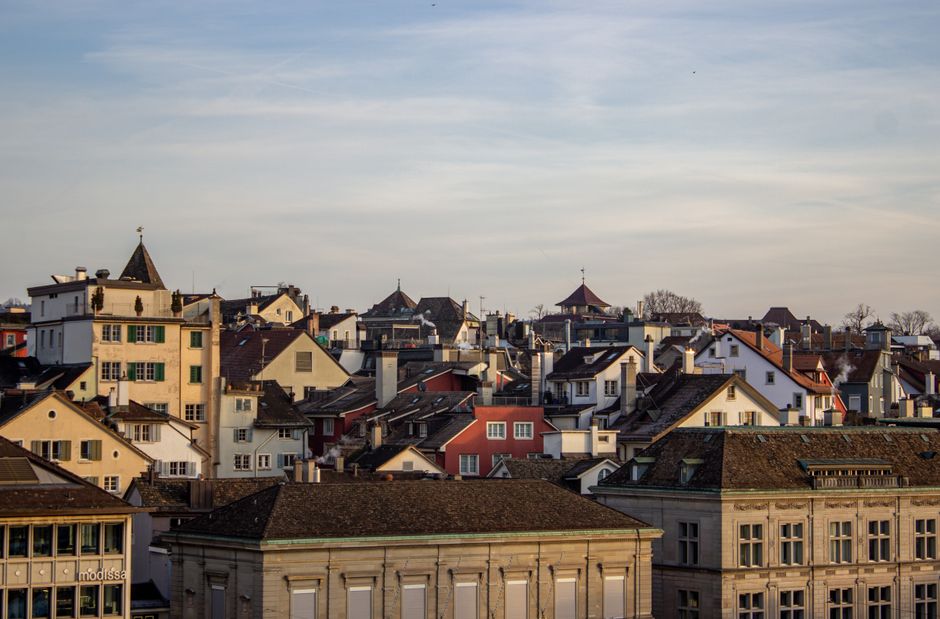
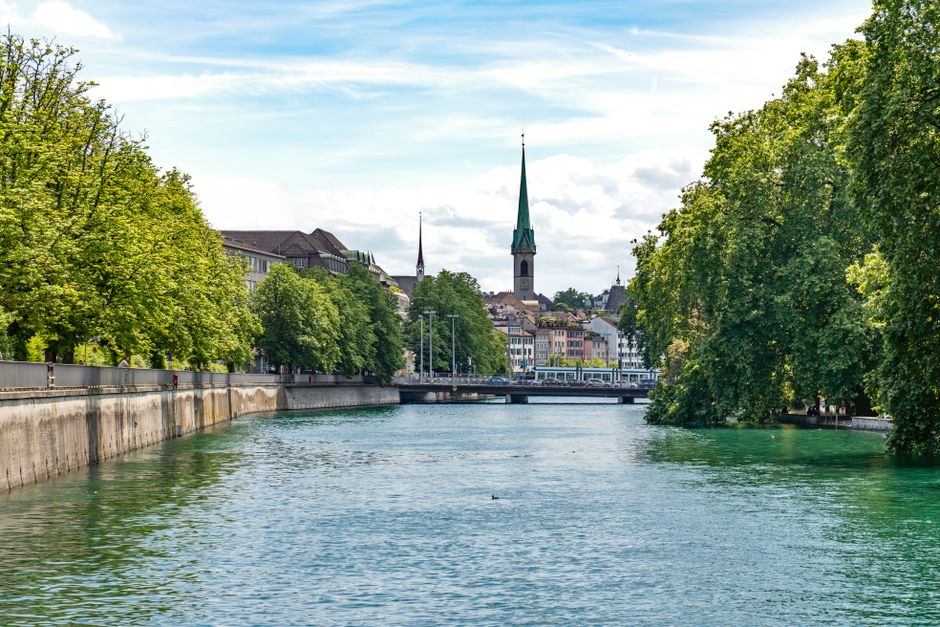
When the Wiedikon Community Centre officially opens its doors in September, it will mark more than just a new building in the city's eighth district. For residents stretched across the densely populated neighbourhood—where roughly 12,000 people live within a 0.7-square-kilometre radius—it represents a tangible response to growing concerns about social fragmentation in an increasingly transient urban environment.
The 2,400-square-metre facility on Gertrudstrasse, nestled between the Sihlfeld Park and the bustling market area, will house everything from a shared kitchen and childcare space to meeting rooms and a small performance venue. The CHF 4.2 million project, funded through a combination of municipal grants and private donations, addresses a documented gap in Wiedikon's social infrastructure.
"We've had families living on the same street for years without knowing each other," says Maria Hoffmann, coordinator of the Wiedikon Residents' Association, in an interview with The Daily Zurich. "The pandemic made that isolation worse. This centre isn't just about activities—it's about rebuilding neighbourhood bonds." Local surveys conducted last autumn showed that 43 per cent of Wiedikon residents felt disconnected from their immediate community, a figure significantly higher than Zurich's city average of 28 per cent.
The initiative couldn't arrive at a more critical moment. Wiedikon's rental market has intensified dramatically, with average monthly rents rising to CHF 2,850 for a two-bedroom apartment—pushing out longer-term residents and accelerating turnover. The neighbourhood's population is also increasingly multilingual, with residents from over forty countries calling Wiedikon home. These demographic shifts, while enriching the district culturally, have strained informal social networks that once held communities together.
Beyond social connection, the centre is expected to deliver measurable community benefits. Child development programmes will support working parents, particularly crucial given that childcare costs in Zurich average CHF 18,000 annually. Language exchange groups and job-training workshops will serve the neighbourhood's immigrant population directly. Meanwhile, affordable rental rates for community groups—CHF 80 per hour for non-profits—should enable grassroots organisations currently operating from cramped spaces to expand their reach.
However, challenges remain. Operational funding beyond the first three years remains uncertain, and some residents worry the centre could become another gentrification marker in an already rapidly changing neighbourhood. City officials have committed to reviewing the funding model by 2028, but advocacy groups are already urging longer-term guarantees.
For Wiedikon residents, the real test begins in autumn: whether bricks, mortar, and good intentions can actually rebuild the community fabric that urban density has quietly unravelled.
This article was compiled by AI from the sources linked above and screened before publishing. See our editorial standards.