Zurich's Green Push Accelerates: This Week's Major Sustainability Wins
From new district heating networks to expanded cycle routes, the city hits multiple environmental milestones as it races toward carbon neutrality by 2040.
From new district heating networks to expanded cycle routes, the city hits multiple environmental milestones as it races toward carbon neutrality by 2040.
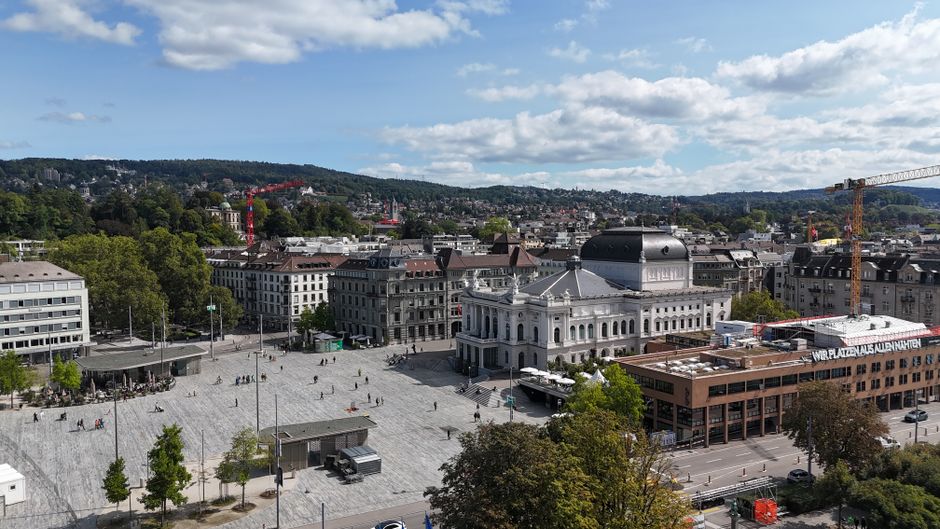
Zurich's ambitious sustainability agenda shifted into higher gear this week with three significant announcements that underscore the city's commitment to becoming a leading green metropolis. The developments signal accelerating progress across heating, mobility, and urban planning—areas where Switzerland's largest city aims to cut emissions by 80 percent within the next 14 years.
On Monday, the city's energy utility Stadtwerke Zürich unveiled an expanded district heating network covering the Wiedikon and Leimbach neighbourhoods, connecting approximately 2,300 additional households. The new infrastructure, which sources 65 percent of its energy from renewable sources including treated wastewater, represents a CHF 45 million investment and eliminates the need for roughly 1,800 individual heating systems. Officials estimate the expansion will reduce CO₂ emissions by 8,000 tonnes annually—equivalent to taking 1,700 cars off the road.
Meanwhile, the city council announced Wednesday that the long-anticipated cycling corridor along Rämistrasse will open to traffic by September, extending a major north-south bike route from Altstetten through the university district to Aussersihl. The three-kilometre stretch, part of Zurich's broader plan to allocate 25 percent of street space to cyclists by 2030, has already prompted noticeable mode-shift patterns in pilot areas, with some zones reporting 35 percent increases in daily bike commuters.
Perhaps most significantly, the Zurich Environmental Foundation released its mid-year sustainability report on Friday, documenting progress across 47 urban initiatives. The report highlights that renewable electricity now accounts for 92 percent of the city's power supply—up from 88 percent last year—while green roof installations increased 22 percent, covering an additional 18,000 square metres of municipal buildings and private properties. This expansion provides crucial urban cooling benefits as temperatures continue rising, with Zurich recording its hottest May on record at 27.3 degrees average.
Not all news was uniformly positive. The report acknowledged challenges in the waste sector, where residential recycling rates plateaued at 58 percent despite expanded collection points across districts like Kreis 6 and Kreis 9. Sustainability experts attribute the stagnation to inconsistent sorting practices and insufficient public awareness campaigns.
The initiatives come as Zurich competes with other Swiss cities—Basel, Bern, and Geneva—for federal climate leadership recognition. City planners emphasize that reaching the 2040 carbon-neutral target requires sustained investment and behavioural shifts. Next month's expanded public consultation on the Zurich 2050 masterplan will determine priorities for the final phase of the green transition.
This article was compiled by AI from the sources linked above and screened before publishing. See our editorial standards.
How does this story make you feel?
Spread the word
About this article
Published by The Daily Zurich
Daily brief
Free, in your inbox before 7am. Weekdays.
More in News