By the Numbers: What Zurich's €28 Billion Transport Overhaul Really Means
New data reveals the scale and scope of infrastructure investment reshaping the city's transit network over the next decade.
New data reveals the scale and scope of infrastructure investment reshaping the city's transit network over the next decade.
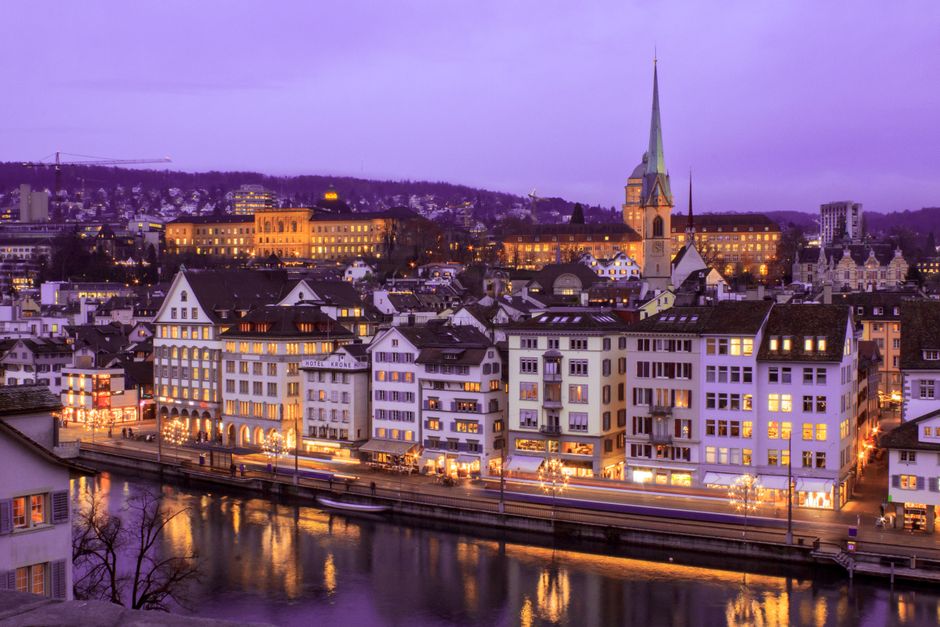
Zurich's ambitious transport modernisation programme is entering a critical phase, with freshly released project metrics offering a striking portrait of one of Europe's most expensive infrastructure undertakings. The city's integrated mobility strategy, which extends from the Wiedikon district through to Oerlikon and beyond, now carries a price tag of approximately €28 billion—a figure that demands scrutiny and context.
The S-Bahn expansion alone accounts for €12.3 billion, with the centrepiece being the extension of regional rail capacity by 34 percent. Transport authorities report that daily ridership on Zurich's rail network currently stands at 1.2 million passengers, a figure projected to rise by 41 percent by 2035 if infrastructure targets are met. The Sihltal-Zürichberg line modernisation, budgeted at €3.7 billion, represents the single largest contract awarded to date.
The tram network figures tell a complementary story. The planned extension to the Glatttal corridor involves laying 47 kilometres of new track—equivalent to the distance from Zurich Hauptbahnhof to Einsiedeln. Current tram usage averages 780,000 daily trips; planners expect this to reach 1.1 million once all phases conclude in 2034. Construction costs for these new lines average €38 million per kilometre, up from €22 million a decade ago, reflecting inflation and underground tunnel complexity.
Perhaps most revealing are the commuter impact statistics. The Limmattal rapid transit project, budgeted at €4.2 billion, targets the reduction of car journeys in western suburbs by 22 percent within five years of completion. Current vehicular congestion costs the regional economy an estimated €890 million annually in lost productivity—a figure that justifies the transport investment by conventional economic logic.
Parking represents an often-overlooked data point. The city's 186,000 public and private parking spaces currently generate annual revenue of €210 million. Transport planners estimate that successful transit expansion could reduce demand for new parking by up to 8,500 spaces, redirecting that land toward residential and commercial development. The economic multiplier effect of this conversion is estimated at €1.4 billion over twenty years.
Timeline precision reveals operational complexity: 847 temporary construction sites will operate across the city through 2034, with peak disruption occurring 2027-2029. Zurich Verkehrsbetriebe (ZVB) reports that coordinating these projects requires 24 dedicated project managers and a database tracking 3,400 interdependent tasks.
These numbers underscore a fundamental transformation. By 2035, transport authorities project that 67 percent of Zurich residents will live within 500 metres of high-capacity transit. Today that figure stands at 52 percent. Whether such statistics ultimately validate the €28 billion commitment will occupy urban planners—and taxpayers—for years to come.
This article was compiled by AI from the sources linked above and screened before publishing. See our editorial standards.
How does this story make you feel?
Spread the word
About this article
Published by The Daily Zurich
Daily brief
Free, in your inbox before 7am. Weekdays.
More in News