Zurich Zoning Changes: What New Rules Mean for Housing
Zurich city council fast-tracks zoning amendments for Wiedikon and Aussersihl. Housing advocates warn density increases could accelerate displacement without strict affordability guidelines.
Zurich city council fast-tracks zoning amendments for Wiedikon and Aussersihl. Housing advocates warn density increases could accelerate displacement without strict affordability guidelines.
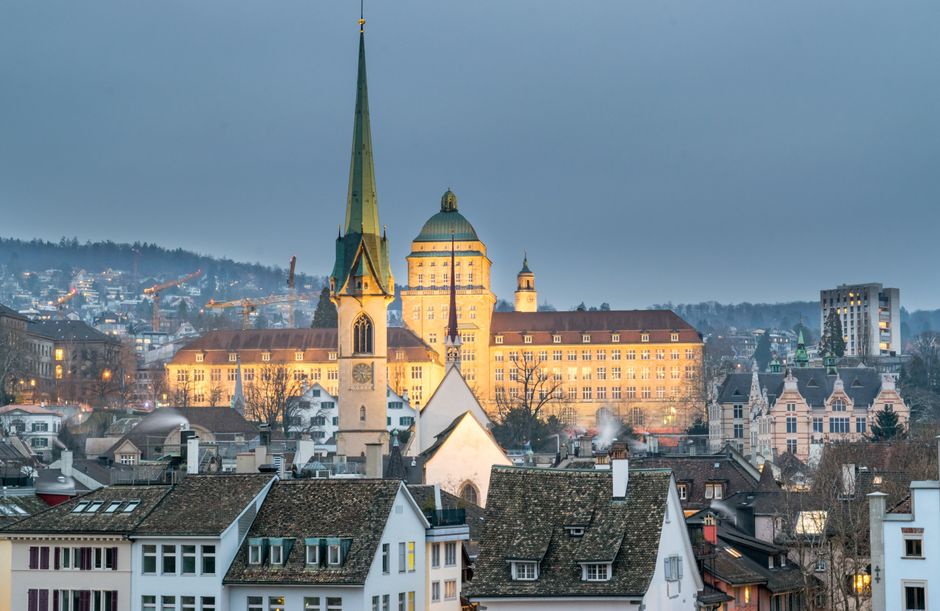
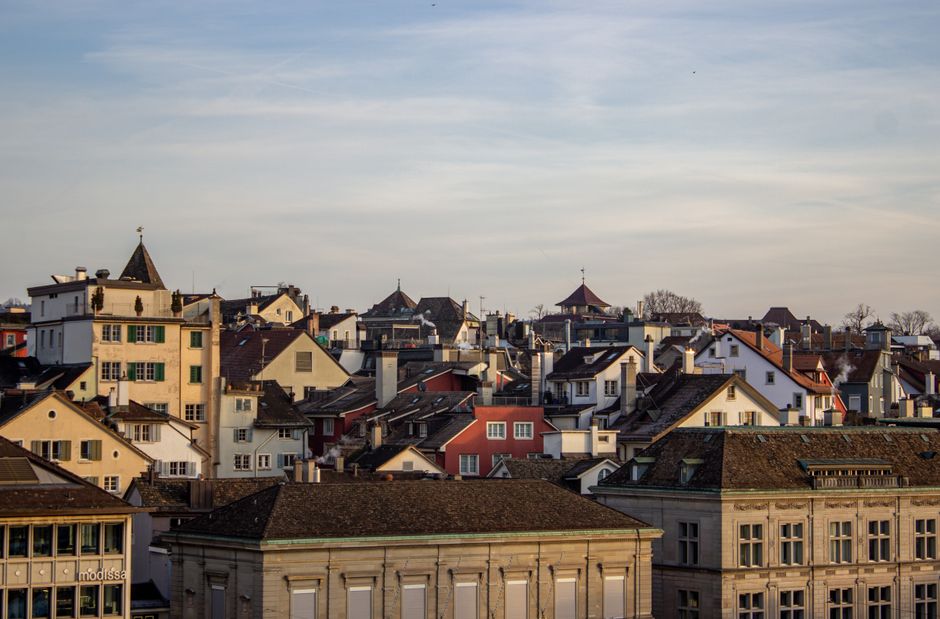
The Zurich city council's decision this week to fast-track zoning amendments for mixed-use development in central neighbourhoods has sparked an urgent conversation about who gets to live in Switzerland's most expensive city. The proposed changes would allow developers to exceed current building height restrictions in parts of Wiedikon, Aussersihl, and Industriequartier—a move city planners argue is necessary to ease a chronic housing shortage, but one that residents and housing advocates worry could further squeeze out middle-income families already struggling with rents exceeding CHF 2,800 per month for a two-bedroom apartment.
The timing is significant. Current vacancy rates in Zurich hover below 0.5 per cent, the lowest in nearly two decades, while new construction has failed to keep pace with demand. Yet the devil, as always, lies in the details. The revised guidelines do not mandate affordable housing quotas in new developments—a critical oversight that housing rights organisations like Mieterverband Zürich have flagged repeatedly. Without such protections, critics argue, new buildings on Langstrasse in Aussersihl or near the Wiedikon railway station will cater almost exclusively to high-income earners and international relocations, pushing existing residents further into the periphery.
What makes this particularly acute is the neighbourhoods targeted. Wiedikon and Aussersihl have historically functioned as cultural anchors for working-class and immigrant communities. The Turkish bakeries, Portuguese cafés, and community centres that define these districts' character depend on economically diverse resident bases. Once neighbourhoods gentrify, that diversity often evaporates within a generation. Rents in nearby Kreis 6 have already climbed 34 per cent over the past five years, data from the University of Zurich housing institute shows.
City planners counter that density is itself a form of affordability—that allowing taller buildings increases total housing supply, which theoretically moderates price pressure citywide. They point to successful models in Copenhagen and Vienna, where strict rent controls and mandatory affordable units accompany density increases. But Zurich's regulatory framework looks different. Unless the council agrees to strengthen social housing requirements in the amended zoning, residents have legitimate cause for concern.
The stakes extend beyond rent. Neighbourhood identity, community cohesion, and local business ecosystems all hinge on economic diversity. As Zurich's council votes on final amendments in July, the question isn't simply whether the city will grow—it's whether growth will be inclusive. For residents already priced to the margins, that distinction matters enormously.
This article was compiled by AI from the sources linked above and screened before publishing. See our editorial standards.
How does this story make you feel?
Spread the word
About this article
Published by The Daily Zurich
Daily brief
Free, in your inbox before 7am. Weekdays.
More in News