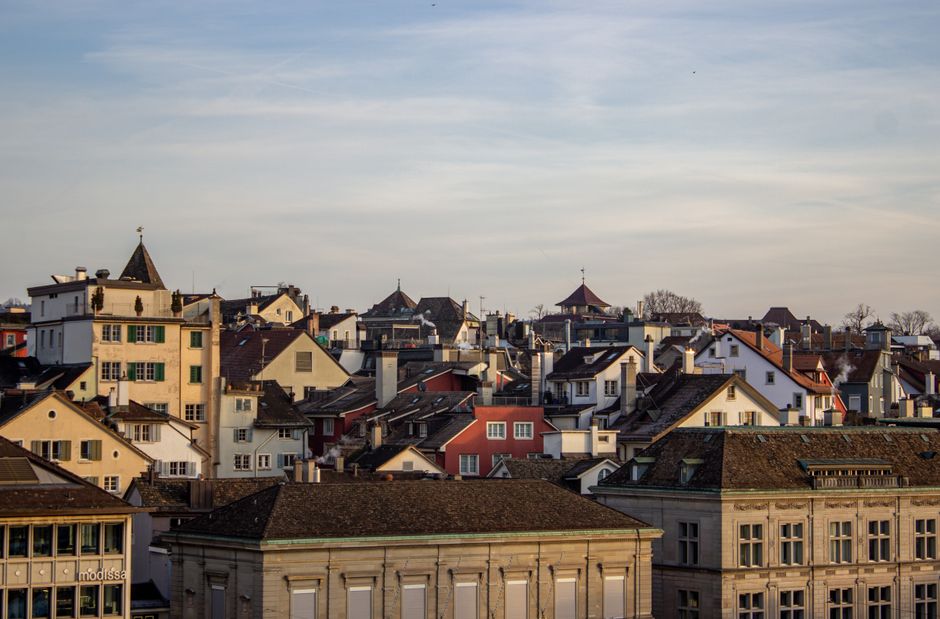
When the Zurich city planning department announced plans to rezone two blocks in Aussersihl last month—opening the door for mixed-use developments that could increase residential density by 40 percent—apartment dwellers in the neighbourhood learned about it not through formal consultation, but via a notice board at the local Migros on Badenerstrasse.
"We found out by accident," says Maria Schmid, who has rented a two-bedroom flat on Helvetiastrasse for sixteen years. "There was no letter, no community meeting. Nothing."
Schmid's frustration reflects a growing tension in Zurich's housing debate. The city has set ambitious targets to add 55,000 new residential units by 2050, responding to a chronic shortage that has pushed median monthly rents for a two-bedroom apartment to 2,850 francs—nearly double the national average of a decade ago. Yet as planners accelerate redevelopment in working-class districts like Aussersihl, Wiedikon, and parts of Altstetten, residents warn they are being treated as obstacles rather than stakeholders.
The frustration crystallised earlier this month at a packed community event hosted by Quartierverein Aussersihl, where nearly 200 residents packed the Bachsaal on Militärstrasse. The concerns were consistent: inadequate notice periods before planning decisions, insufficient affordable housing requirements in new developments, and displacement of long-term renters unable to afford the gentrified neighbourhoods emerging around them.
"The city talks about solving the housing crisis, but they're solving it for people earning 200,000 francs a year," said one resident, a school teacher who declined to be named. "What about us?"
City councillor Daniel Leupi acknowledged the tension in a statement to The Daily Zurich. "We recognise that rapid urban change creates real anxieties," he said. "We are committed to expanding meaningful consultation windows and strengthening tenant protections in areas undergoing major transitions."
However, critics point out that new regulations allowing 30-day consultation periods remain far shorter than many other Swiss cities. Basel, for instance, requires a minimum 60-day public engagement phase before zoning approvals.
On Helvetiastrasse, Schmid remains uncertain about her future. "If they redevelop this block, rents will triple," she said. "I'll have to leave Zurich. And I'm not alone."
With municipal elections approaching in autumn 2027, housing activism is intensifying across the city. Whether Zurich's planners adjust their approach to include genuine community partnership remains the critical question facing districts on the frontlines of transformation.
This article was compiled by AI from the sources linked above and screened before publishing. See our editorial standards.