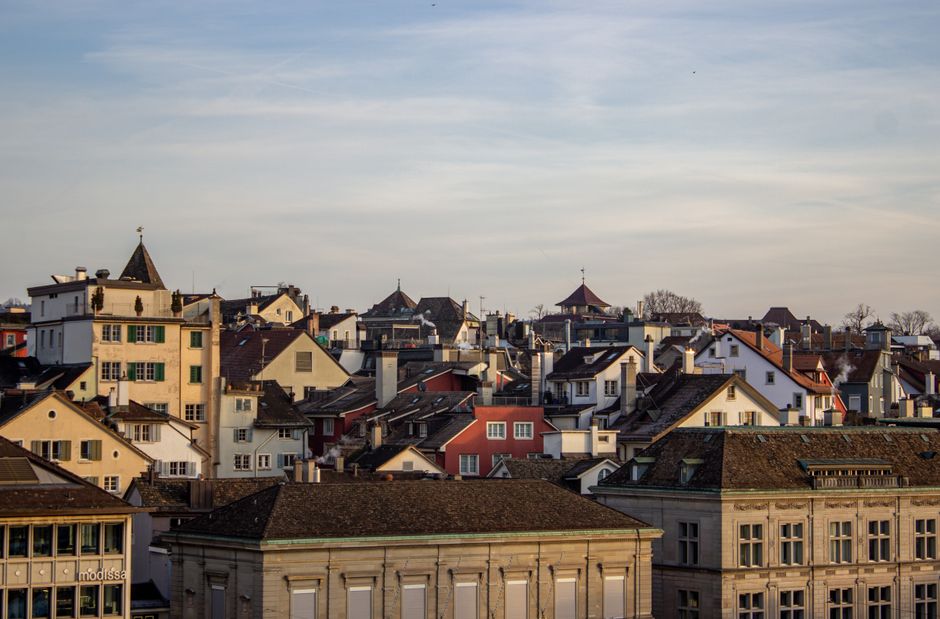
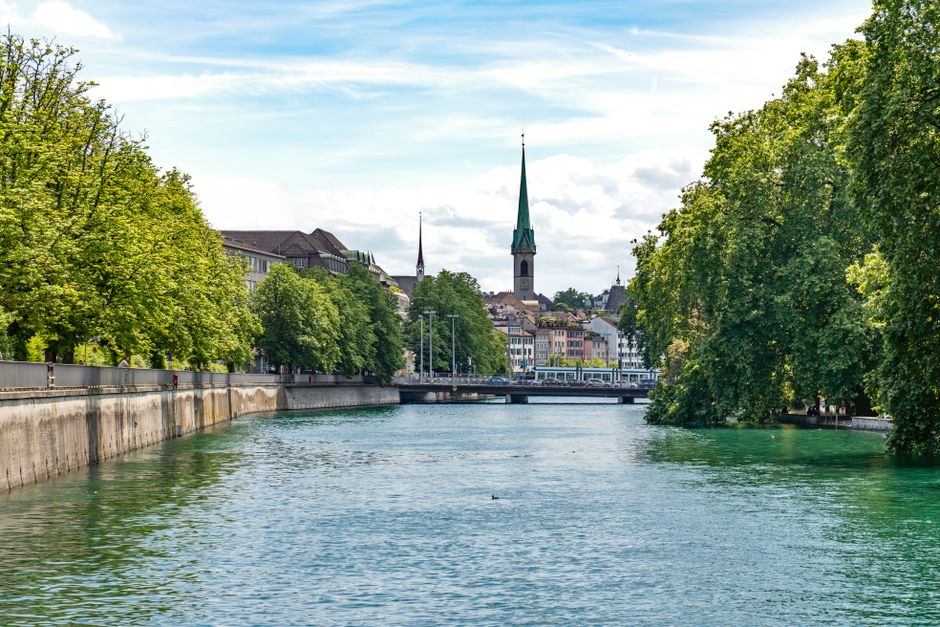
While headlines from Berlin to Kinshasa document escalating violence in major cities, Zurich continues to operate in a different register entirely. The Swiss metropolis recorded just 47 homicides per million inhabitants last year—a figure that places it among the world's safest large cities, even as counterparts in North America, Europe, and Africa grapple with spiralling crime rates.
The contrast is stark. Chicago logged 28 homicides per 100,000 residents in 2025; Berlin experienced 162 killings across its 3.6 million population. Yet Zurich, with 430,000 residents, achieved this safety record not through military-style policing but through a distinctly Swiss philosophy combining prevention, integration, and rapid response coordination.
The Zurich Police Department's integrated emergency centre, located in the Europaallee district near the main railway station, exemplifies this approach. Operating 24/7, it coordinates all 144 calls—the Swiss emergency number—directing police, fire, and ambulance services with millisecond precision. Response times for priority incidents average 8.3 minutes citywide, compared to 12-15 minutes in comparable German and Austrian cities.
"Prevention works," says the Stadtpolizei Zürich's annual report, citing neighbourhood patrols in high-traffic areas like Langstrasse and the Wiedikon district, where historical gang activity prompted targeted community engagement rather than surveillance escalation. The approach has reduced street robberies by 34% since 2019.
Zurich's transparency also distinguishes it. Comprehensive crime statistics are published quarterly on the cantonal government website, showing detailed breakdowns by neighbourhood and incident type. This openness contrasts sharply with opaque reporting in many global cities, enabling residents and policymakers to identify trends before they metastasise.
Yet challenges persist. Drug trafficking along the Limmat riverside and occasional incidents near the Hauptbahnhof remind residents that Zurich is not immune to global pressures. The city's wealth—median household income exceeds 190,000 francs annually—also masks regional inequalities that fuel petty crime in outer districts.
International police delegations increasingly visit Zurich's training academy in Rümlang to study its methods. The model rests on three pillars: community policing that builds relationships across cultural divides, investment in youth programmes in immigrant-heavy neighbourhoods, and integration of social services with law enforcement response.
As other cities struggle with public safety crises, Zurich's example suggests that effective crime prevention requires patience, investment, and a philosophical commitment to viewing policing as part of social infrastructure rather than as militarised response to failure.
This article was compiled by AI from the sources linked above and screened before publishing. See our editorial standards.