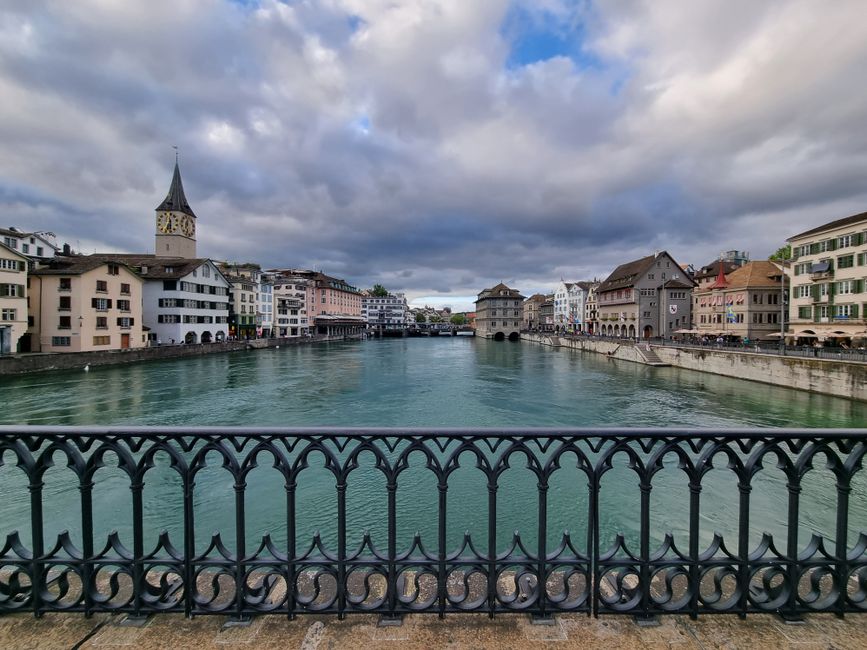
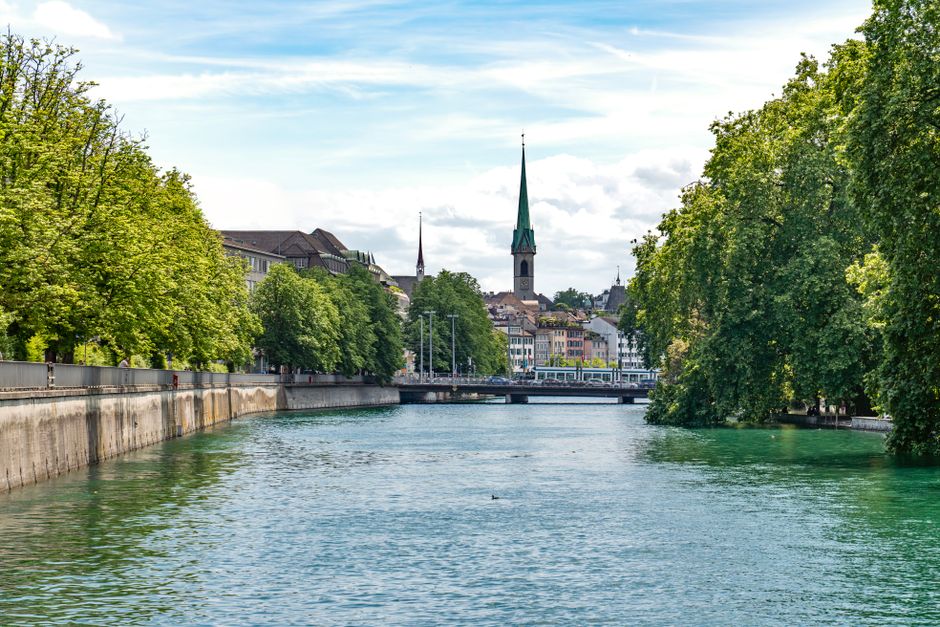
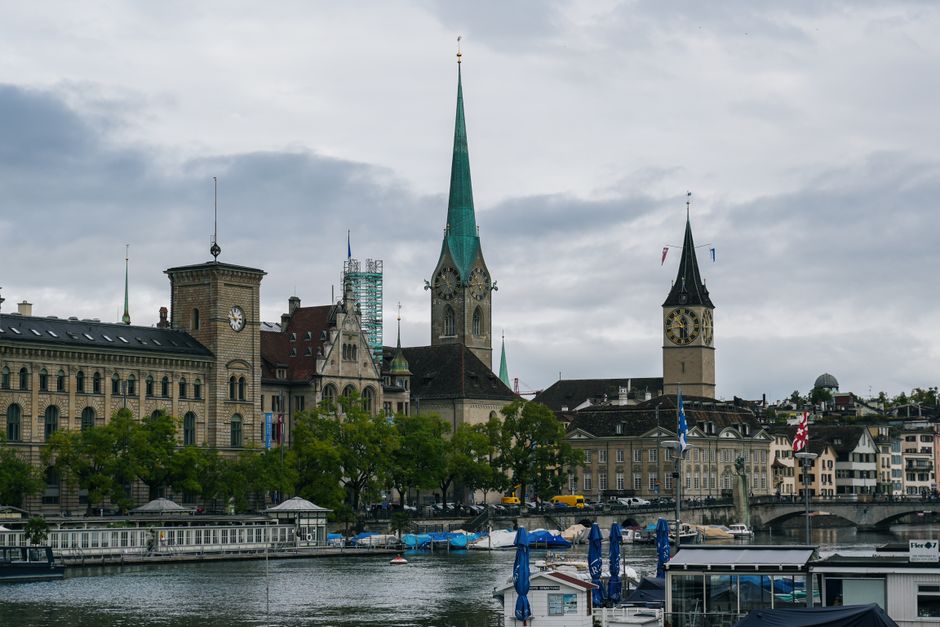
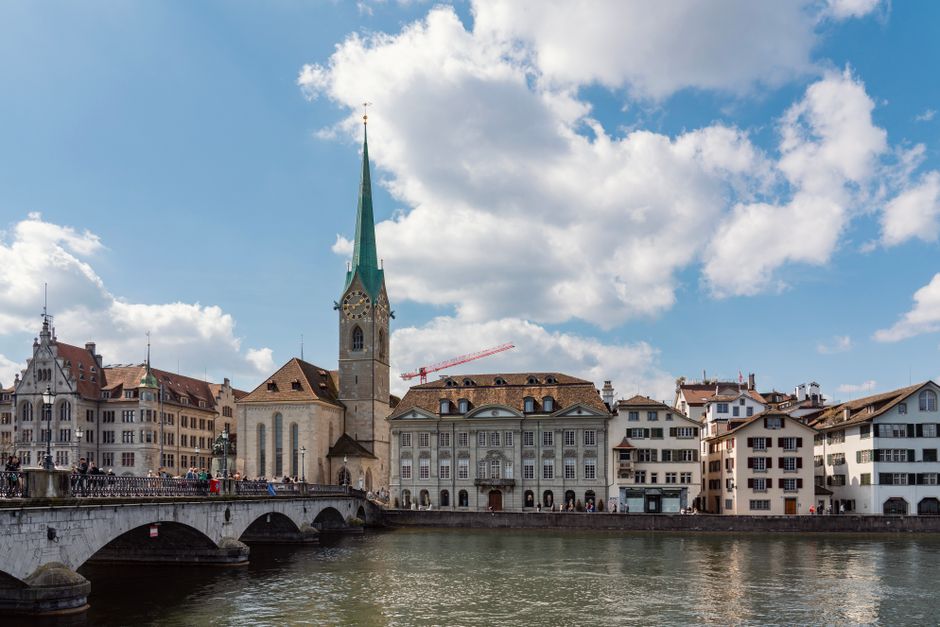
When the City of Zurich announced its expanded Limmat riverfront renewal project last spring, residents of the Wiedikon district learned about it through municipal newsletters rather than community consultations. Today, frustration over that disconnect is fuelling a broader conversation about who gets to shape the Swiss capital's sustainability future.
"We breathe this air, we live on these streets," said one long-time Wiedikon resident, speaking on the condition of anonymity. "If Zurich wants us to embrace these changes—the new green corridors, the car-free zones, the renovations—we need to be in the room where decisions are made."
The sentiment reflects growing tension between the city's ambitious climate targets and the lived experience of those affected by implementation. Zurich aims to reduce CO₂ emissions by 50 percent by 2030, requiring sweeping changes to mobility, housing, and urban green space. Yet as projects materialise—from the Europaplatz pedestrianisation to industrial brownfield conversions in the Zürich-Nord quarter—community members report feeling sidelined.
Environmental organisations working in the city acknowledge the gap. Zurich's Klimaallianz, which coordinates sustainability initiatives across multiple sectors, has been pushing for earlier and more inclusive consultation periods. "Cities achieve their climate goals when residents feel ownership," said a spokesperson for the alliance. "Zurich has the technical expertise, but sometimes the social dimension gets overlooked."
The tension surfaced acutely during the Langstrasse business district's recent retrofit programme, where shop owners complained about disrupted foot traffic during construction and felt their concerns arrived too late to influence project timelines. Some local merchants reported losing up to 30 percent of seasonal revenue during peak renovation months, with limited compensation mechanisms.
Harder to quantify is the psychological toll. Residents of older apartment buildings facing mandatory energy upgrades—a requirement for achieving net-zero by 2040—reported anxiety about rising rents, given that renovation costs often translate to higher occupancy fees. Zurich's already steep housing market means even modest increases ripple outward.
The city hasn't remained entirely unresponsive. Beginning this autumn, the municipality plans monthly "Sustainability Cafés" in neighbourhood hubs including the Gemeinschaftszentrum Aussersihl and venues across Altstetten. These sessions, designed to gather resident input on upcoming projects, represent a modest shift toward participatory planning.
Whether such efforts will satisfy critics remains unclear. For many Zurich residents, genuine inclusion means involvement at the earliest planning stages, not after decisions have effectively been made. As one activist put it: "We're not against becoming greener. We're against becoming green without us."
This article was compiled by AI from the sources linked above and screened before publishing. See our editorial standards.