Zurich Crime Prevention: Community Policing Model
Discover how Zurich's neighbourhood policing and community engagement strategy maintains Europe's lowest violent crime rates. Explore the model other cities are studying.
Discover how Zurich's neighbourhood policing and community engagement strategy maintains Europe's lowest violent crime rates. Explore the model other cities are studying.

While headlines from across the globe detail escalating violence—from anti-immigration clashes in South Africa to organized crime surges in major European capitals—Zurich has maintained one of the lowest violent crime rates among comparable global metropolitan areas. The question isn't whether the city faces challenges, but how it manages them so effectively.
The Zurich Police Department's neighbourhood-based approach differs markedly from reactive models deployed in cities like Frankfurt or Berlin. Officers assigned to districts like Aussersihl and Wiedikon develop sustained relationships with residents and business owners, creating informal early-warning networks that complement formal reporting. This strategy has contributed to Zurich's violent crime rate of approximately 2.1 incidents per 10,000 residents—roughly half that of comparable German cities.
Technology integration plays a supporting role. The city's emergency response system, coordinated through the Einsatzzentrale at police headquarters, achieves average response times of 8-12 minutes for priority calls. By contrast, major cities in North America and parts of continental Europe report averages exceeding 15 minutes. Zurich's integration of real-time data analytics helps dispatch units with precision, though privacy advocacy groups continue monitoring the implementation.
Investment differentiates Zurich's approach too. Annual public safety spending reaches approximately 1.2 billion Swiss francs across police, fire services, and emergency management. The city maintains roughly 2,300 police officers for a population of 420,000—a ratio that allows for community engagement beyond incident response. Compare this to resource constraints hampering larger metropolitan areas worldwide.
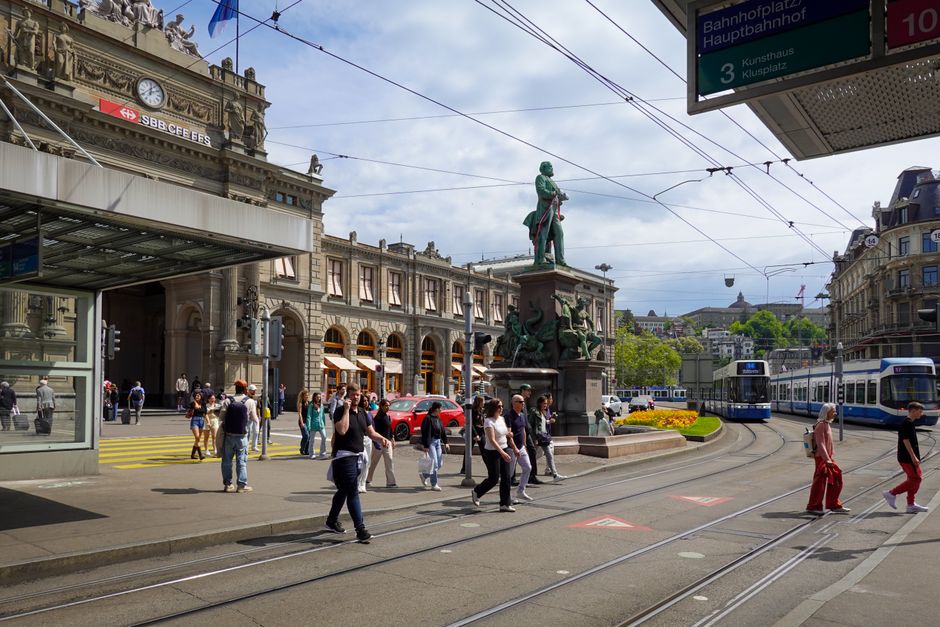
Yet challenges persist. Drug-related incidents in the Langstrasse district and property crime in high-density areas like Kreis 4 remain persistent concerns. The 2024 stabbing incidents near Hauptbahnhof prompted renewed discussions about mental health service integration—an area where cities like Vienna have gained recognition for collaborative emergency protocols.
What sets Zurich apart isn't immunity from crime, but a combination of adequate resourcing, community trust-building, and willingness to adapt strategies based on emerging threats. As global cities struggle with the consequences of underfunded emergency services and fractured police-community relations, Zurich's model—imperfect though it remains—demonstrates that prevention-focused investment yields measurable returns.
The real test comes in maintaining this approach as Zurich grows and diversifies. Whether the model scales effectively while preserving the local engagement that underpins its success remains an open question—one that cities worldwide are watching closely.
This article was compiled by AI and screened before publishing. See our editorial standards.
How does this story make you feel?
Spread the word
About this article
Published by The Daily Zurich
Daily brief
Free, in your inbox before 7am. Weekdays.
More in News