Zurich Housing Density Guidelines 2024: What Changes Mean
New Zurich density policy aims to add 12,000 housing units. Learn how revised planning rules affect your neighbourhood and what residents should know about upcoming changes.
New Zurich density policy aims to add 12,000 housing units. Learn how revised planning rules affect your neighbourhood and what residents should know about upcoming changes.

Zurich's municipal government unveiled ambitious housing density guidelines this week that could reshape neighbourhoods from Wiedikon to Aussersihl within the next decade. The policy seeks to address a persistent affordability crisis that has pushed median rents above 2,800 francs monthly for a two-bedroom apartment—a figure that has climbed 34 percent since 2016.
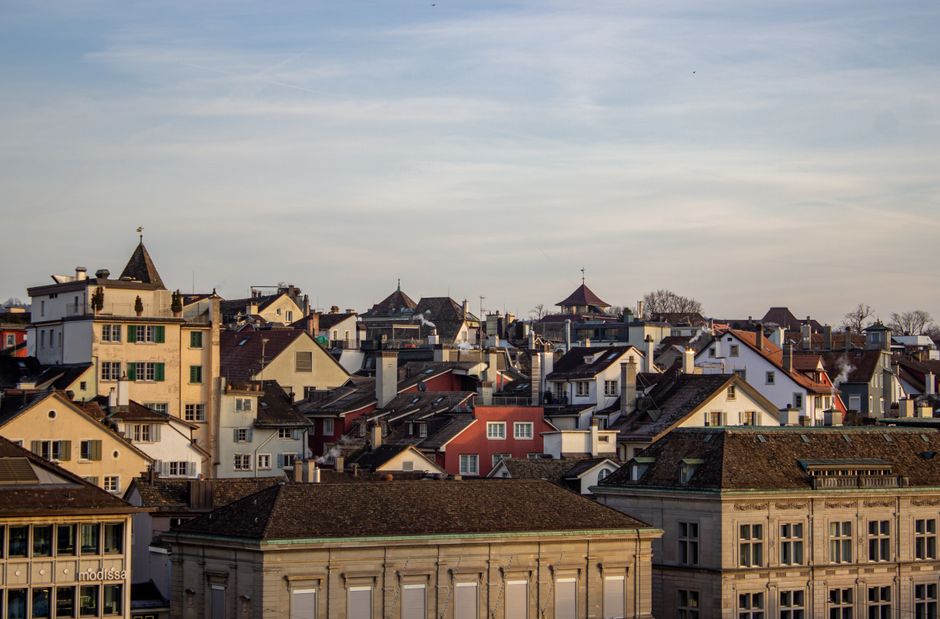
The proposal encourages developers to construct mid-rise residential buildings on underutilised sites and permits increased floor-area ratios in zones previously restricted to lower-density development. City planners argue this approach could unlock approximately 12,000 additional housing units without requiring significant land expansion, directly addressing the shortage that has made Zurich increasingly exclusive for young families and service workers.
Yet implementation raises genuine concerns for established residential communities. In Altstetten, where single-family homes and modest apartment blocks currently define the streetscape, residents fear rapid densification could strain local infrastructure. The Altstetten Community Centre, already scheduling activities across extended hours to accommodate demand, would face additional pressure. Schools in the district currently operate near capacity; Schule Leutschenbach reported 94-percent enrolment this academic year.
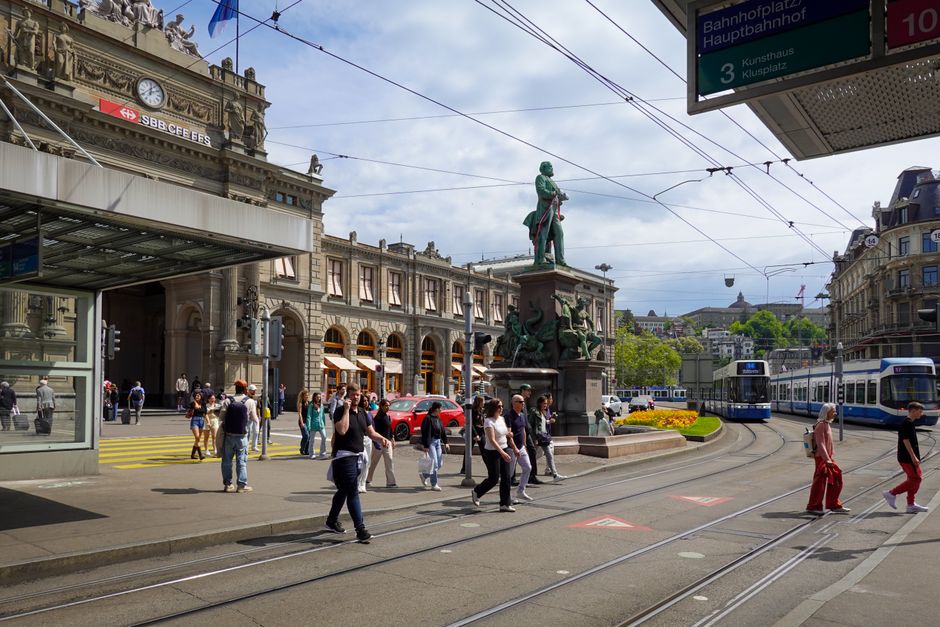
Public transportation capacity presents another challenge. The tram lines serving Wiedikon and Aussersihl already experience congestion during peak hours. City transport authority VBZ acknowledges that route expansions would require separate capital investment—funding not yet secured under the current housing initiative.
Community advocates, including the Zurich Housing Forum, have requested a more graduated implementation timeline. Their position reflects legitimate tension: Zurich genuinely needs housing stock to remain a socially mixed city, yet neighbourhood transformation should allow time for infrastructure adaptation and community input.
The city council has scheduled public hearings across all districts beginning September, with final votes anticipated by early 2027. For residents in affected neighbourhoods, this represents a crucial moment to engage constructively. The question isn't whether Zurich should densify—demographic pressures and economic realities demand housing growth—but rather how to manage that change in ways that preserve community character while expanding opportunity for new residents.
What residents do now, during the consultation phase, will significantly influence whether Zurich's housing solution strengthens or fractures its established neighbourhoods. The stakes are equally high for those currently priced out of the city entirely.
This article was compiled by AI and screened before publishing. See our editorial standards.
How does this story make you feel?
Spread the word
About this article
Published by The Daily Zurich
Daily brief
Free, in your inbox before 7am. Weekdays.
More in News