Zurich's Duplicate Image Problem: What Happens Next and the Key Decisions Ahead
City archives, property records and digital infrastructure face a reckoning as officials weigh how to clean up years of duplicated visual data across municipal systems.
City archives, property records and digital infrastructure face a reckoning as officials weigh how to clean up years of duplicated visual data across municipal systems.
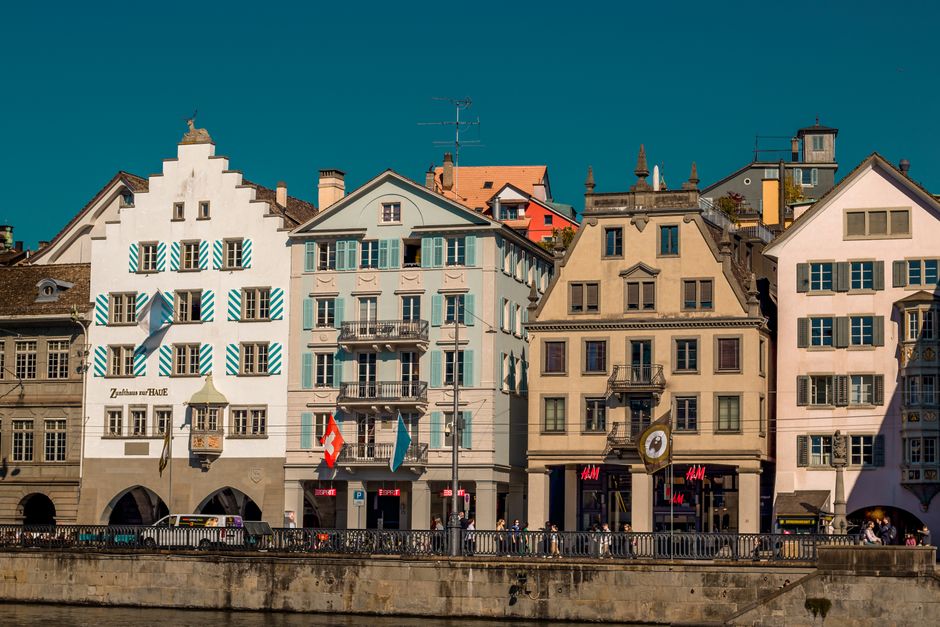
Zurich's municipal digital administration is sitting on a problem that has quietly grown for years: tens of thousands of duplicate images embedded across government databases, property registries and public-facing platforms, with no unified policy yet in place to resolve them. The city's IT directorate, the Informatikdienste der Stadt Zürich, confirmed earlier this year that a formal audit of image assets held across cantonal and city-level systems was underway, with findings expected before the end of the third quarter of 2026.
The issue matters now because the stakes have risen sharply. Zurich's ongoing housing shortage — the Wohnungsnot — has pushed cantonal property records into heavier use than at any point in the past decade. The Grundbuchamt, the land registry office, processes thousands of transactions annually, and its linked image databases — floor plans, property photographs, zoning maps — are among the most accessed municipal datasets in the canton. Duplicate and mislinked images in that system create legal ambiguity, slow down transactions and, in the worst cases, have contributed to disputes before the cantonal administrative courts.
Officials have not yet published a definitive count of affected records, but internal working documents circulated within the city's Stadtrat committees indicate the problem spans at least three major platforms: the Geoportal Kanton Zürich, the public-facing urban planning viewer maintained by the Amt für Raumentwicklung, and the Immobilienportal operated by Allreal and other major property managers that feed data into city registers. Each system grew independently, with its own image-naming conventions and storage logic, and cross-platform synchronisation was never mandated.
The Geoportal alone hosts aerial photography layers updated at least once every two years, meaning that each update cycle created a new image set sitting alongside — rather than replacing — the previous one. By 2025, the platform was carrying image files dating back to the 2016 survey cycle, with no automated deduplication process in place. Storage costs are not trivial: commercial cloud archiving of the type used by the city runs at roughly CHF 0.02 per gigabyte per month at baseline rates, and unmanaged image accumulation at this scale can add up to six figures annually across a government portfolio of this size.
ETH Zurich's Chair of Information Architecture, based on the Hönggerberg campus, has been in contact with city IT teams about potential algorithmic tools for large-scale image deduplication, though no formal contract or research partnership has been announced publicly. The interest from ETH reflects a broader pattern: Swiss municipal governments increasingly look to the university as a technical sounding board before committing to vendor solutions.
Three concrete choices are now converging on a tight timeline. First, the city must decide by September 2026 whether to procure a commercial deduplication platform or build on open-source tooling — a decision that will shape IT procurement for the following budget cycle. Second, the cantonal parliament's Kommission für Planung und Bau is expected to take up a motion in the autumn session that would mandate interoperability standards for all image data tied to building permits issued in the city of Zurich, covering everything from Kreis 4 renovation filings to large-scale Seefeld redevelopment projects. Third, the Stadtarchiv Zürich, housed on the Neumarkt, must determine how historical duplicate images — some dating to analogue scans from the 1980s — should be treated: deleted, flagged or preserved as versioned records.
Each of these decisions carries downstream consequences for residents. Anyone who has used the city's online building permit portal, accessed via the Stadtentwicklung Zürich website, will have encountered the image viewer embedded in planning applications. Cleaner data means faster processing times for applications, fewer manual corrections by staff and a reduced risk of a permit being challenged because the wrong property photograph was attached to a file.
The audit report, due in September, will set the terms. If it confirms the scale that internal documents suggest, city councillors will face pressure to act quickly — and to allocate budget in the December 2026 supplementary round rather than waiting for the 2027 main cycle. That timetable is tight. The decisions ahead are manageable, but only if they are made before the problem compounds further.
How does this story make you feel?
Spread the word
About this article
Published by The Daily Zurich
Daily brief
Free, in your inbox before 7am. Weekdays.
More in News


