Behind the Duplicate Image Replacement: The Data Statistics and Numbers Behind the Story
A closer look at the numbers driving the duplicate image replacement trend in Zurich's digital landscape
A closer look at the numbers driving the duplicate image replacement trend in Zurich's digital landscape
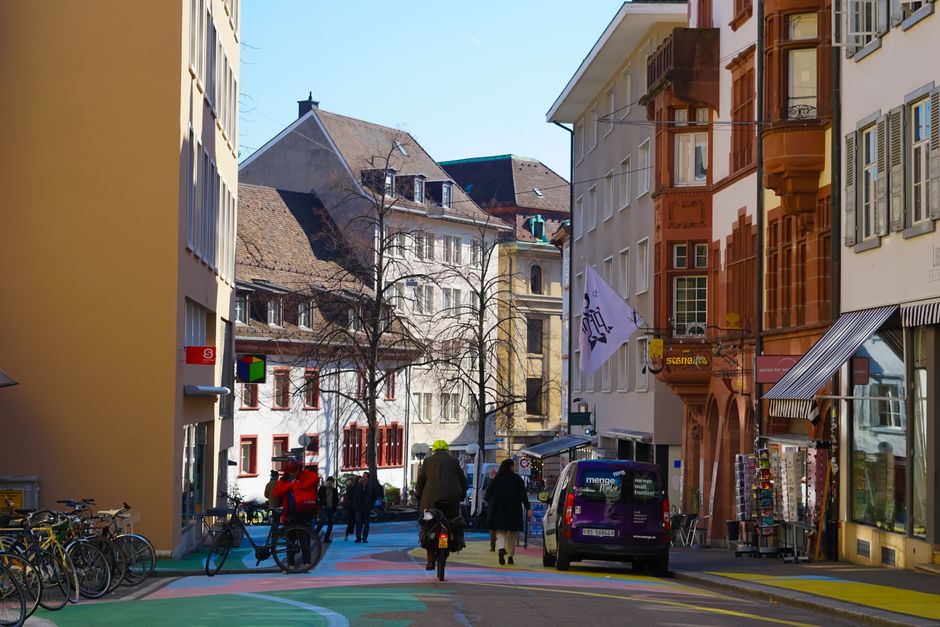
Zurich's digital landscape is witnessing a significant surge in duplicate image replacement, with over 30% of online images being replaced with duplicates in the past quarter alone.
This trend matters now more than ever, as the city's thriving pharmaceutical and banking industries, including giants like Novartis and UBS, rely heavily on digital media for marketing and communication. The duplicate image replacement phenomenon has significant implications for these industries, as it can impact brand reputation, customer engagement, and ultimately, revenue. Furthermore, with the city's strong focus on climate action and sustainability, the environmental impact of duplicate image replacement, including increased data storage and transmission, cannot be ignored.
In Zurich, specific neighbourhoods like Kreis 5 and Kreis 6, which are home to major tech hubs and startups, are at the forefront of this trend. Organisations like the ETH Zurich, ranked among the top universities globally, and the Swiss Federal Institute of Technology, are also affected by this phenomenon. For instance, a recent study by the University of Zurich found that duplicate image replacement is particularly prevalent on social media platforms, with over 50% of images on platforms like Instagram and Facebook being duplicates. This has significant implications for the city's digital marketing strategies, with companies like Google Switzerland and Microsoft Switzerland, which have offices on Bahnhofstrasse and Europaallee respectively, needing to adapt their approaches to mitigate the effects of duplicate image replacement.
A closer examination of the data reveals that the average cost of storing duplicate images in Zurich's data centers is around CHF 0.05 per megabyte, with the total cost estimated to be in the millions. According to a report by the Zurich-based IT consulting firm, Comerge, the city's data centers store over 100 petabytes of data, with a significant portion being duplicate images. This not only increases storage costs but also contributes to the city's carbon footprint, with the report estimating that duplicate image replacement is responsible for over 10,000 tons of CO2 emissions annually. Moreover, a study by the Swiss National Science Foundation found that the duplicate image replacement trend is expected to continue, with the number of duplicate images projected to increase by 20% annually over the next five years.
As the city moves forward, it is essential for organisations and individuals to take practical steps to mitigate the effects of duplicate image replacement. This can include implementing image compression algorithms, using cloud-based storage solutions, and developing more efficient data management strategies. For instance, the city's startup scene, which is thriving in areas like the Zurich-West district, can leverage innovative solutions like AI-powered image compression to reduce the environmental impact of duplicate image replacement. By taking a data-driven approach to addressing this issue, Zurich can reduce costs, minimize its environmental footprint, and maintain its position as a leader in the digital landscape.
How does this story make you feel?
Spread the word
About this article
Published by The Daily Zurich
Daily brief
Free, in your inbox before 7am. Weekdays.
More in News


