news
Zurich Archives Battle Duplicate Files Crisis, Overhaul Digital Storage This Week
A surge in duplicate and corrupted image files is forcing cultural institutions across Zurich to overhaul how they store and verify digital assets, and the deadline pressure is mounting.
How we reported this
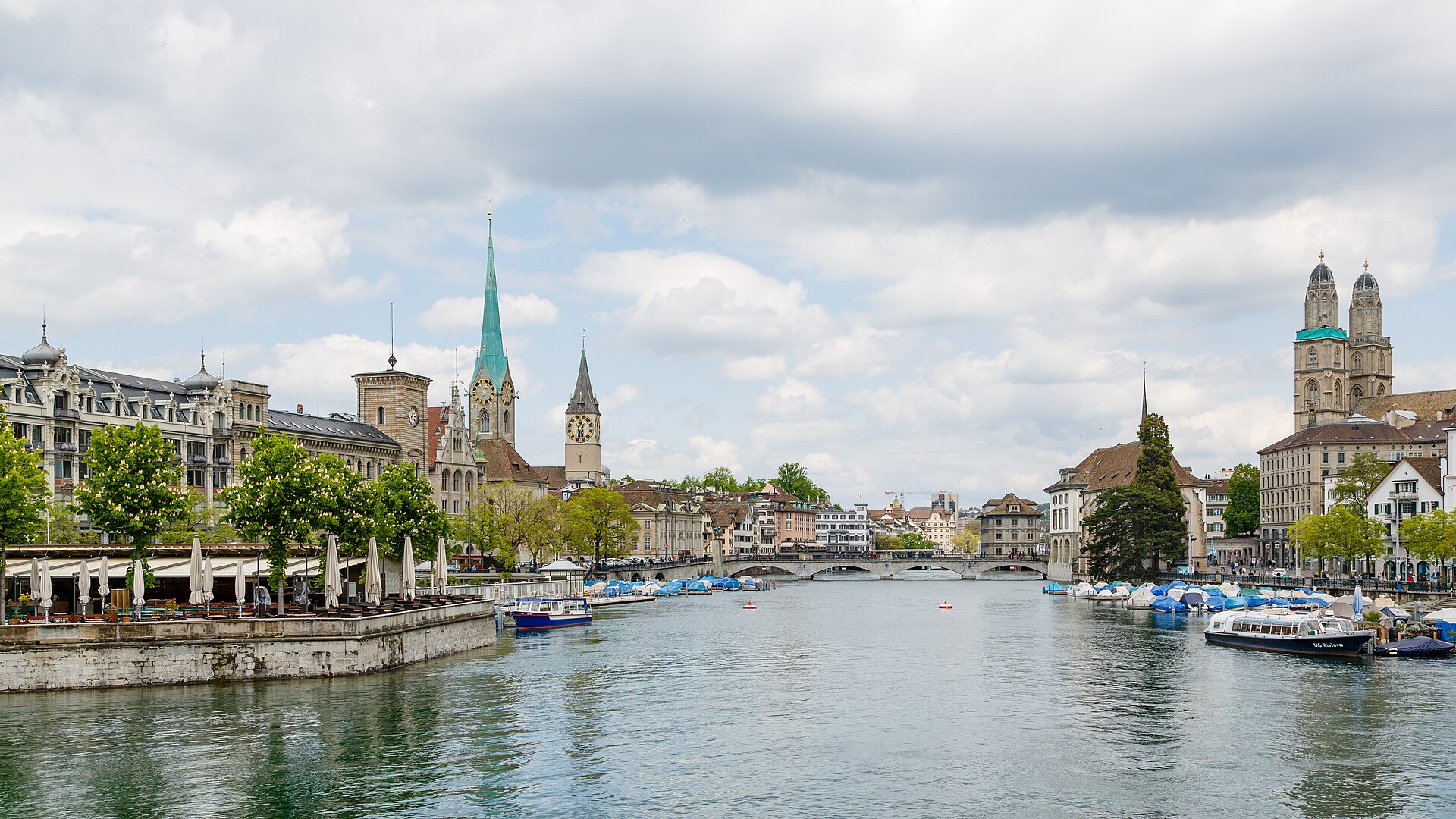
Zurich's major cultural and research institutions spent the final days of June and the opening of July confronting an unglamorous but consequential problem: tens of thousands of duplicate, mislabelled, and low-resolution image files embedded deep inside digital archive systems. The issue, long deferred, has now landed as an operational emergency for at least three prominent organisations in the city.
The proximate trigger was a software migration cycle that several institutions had scheduled for the second half of 2026. When archivists began auditing their holdings ahead of those migrations, the scale of duplicated image data became impossible to ignore. For institutions whose digital collections underpin public access portals, research databases, and loan agreements with international partners, bad image data is not a housekeeping nuisance, it breaks workflows, delays publications, and in some cases renders legally binding catalogue entries unverifiable.
What Happened This Week
At the Zentralbibliothek Zürich on Zähringerplatz, staff have been running automated deduplication scripts across a photography and manuscript digitisation archive that stretches back to a scanning programme begun in 2014. The library's digital infrastructure team identified clusters of duplicate TIFF and JPEG masters, in some cases the same manuscript folio digitised three or more times under different accession codes, with no flag in the metadata to connect them. The precise count of affected files has not been published, but the library confirmed the audit is ongoing and that the migration target date remains the fourth quarter of this year.
Across the Limmat at the Kunsthaus Zürich, the situation involves a different but related problem. The museum's expanded wing, which opened in October 2021, added significant digital asset management demands to a system that predated the expansion. Image files used for the online collection viewer, which draws roughly 1.2 million page visits per year according to the institution's most recently published annual figures, include a layer of medium-resolution proxies generated during the expansion build-out. Some of those proxies were created from already-compressed source files, producing what archivists call generation-loss duplicates: technically distinct files that degrade the original rather than replacing it cleanly. Resolving them requires going back to original scan media, which in some cases means re-digitising physical works.
ETH Zürich's library and data services division on Rämistrasse is dealing with a third variant of the problem. Scientific image datasets attached to published research, particularly in materials science and pharmaceutical imaging, fields where Zurich holds significant global standing, contain duplicated figures that were submitted to the institutional repository under multiple DOI assignments. The ETH library has been working since May with DataCite, the international DOI registration agency, to reconcile affected records. A targeted correction notice is expected before the end of July.
Why the Timing Matters
The convergence of these separate crises in the same week reflects a broader migration pressure across Swiss public institutions. The Federal Office of Culture in Bern has been encouraging cantonal and municipal heritage bodies to align their digital infrastructure with updated PREMIS metadata standards before the end of 2026, a soft deadline that is nonetheless tied to future federal co-financing eligibility for digitisation programmes. Institutions that cannot demonstrate clean, deduplicated master archives risk complications in those funding conversations.
Storage costs add a practical edge to the pressure. Commercial cloud storage rates for uncompressed archival-grade image files, the standard required for heritage-quality TIFF masters, have risen across European providers since 2024. Holding duplicate copies is not merely a metadata problem; it carries a direct line-item cost that Zurich's institutions, like most public bodies operating under tight cantonal budget conditions, are motivated to eliminate.
For researchers and members of the public who rely on these collections, the practical advice this month is straightforward: if you are working with images downloaded from Zurich institutional portals and notice inconsistencies in resolution or metadata, flag them to the relevant archive directly. The Zentralbibliothek and Kunsthaus both maintain public contact forms for exactly this purpose. Institutions are also asking researchers citing digital surrogates in academic work to re-verify their file checksums before final submission, particularly for anything drawn from collections updated between January and June of this year.