news
Zurich Archives Corrects Thousands of Mislabeled Images After System Failure
A cataloguing fault in the city's centralised digital asset platform has triggered an urgent review of duplicate and misidentified images spanning decades of public records.
How we reported this
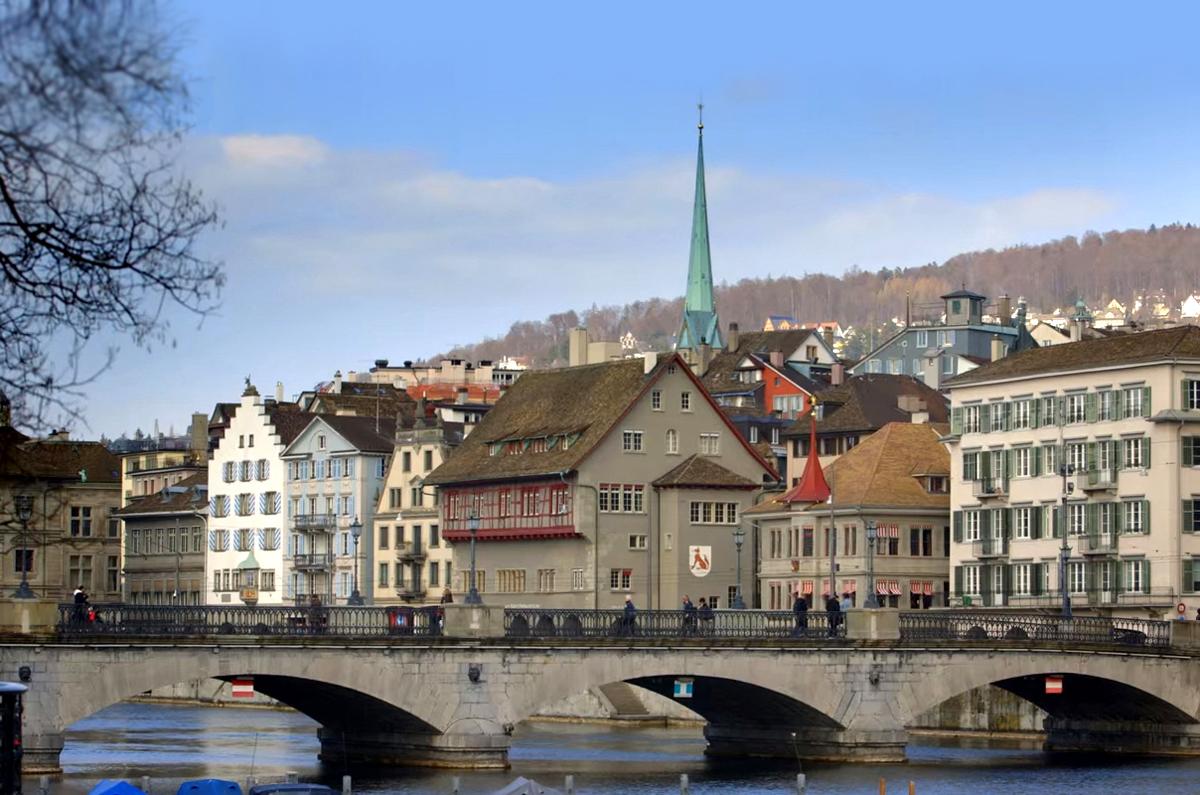
A technical fault in Zurich's centralised municipal image archive has left thousands of photographs either duplicated or incorrectly tagged, forcing city administrators to launch an emergency remediation programme this week. The problem, traced to a batch-import error in the canton's shared digital asset management system, affects records held by at least three departments, including the Stadtarchiv Zürich on Alfred-Escher-Strasse and the urban planning office in the Stadthaus on Stadthausquai.
The timing is awkward. Zurich has spent the better part of four years migrating paper-era records into a unified digital repository, part of a broader Swiss push toward e-government standards. With the migration nearing its final phase, the emergence of a systematic duplicate-image problem threatens to delay public access to digitised records that historians, urban researchers and property developers have been waiting on. ETH Zürich's digital humanities unit, which has a standing data-sharing agreement with the city, is among the institutions whose research pipelines depend on clean metadata from that archive.
What Went Wrong This Week
The error surfaced on Monday, 30 June, when archive staff at the Stadtarchiv noticed that a weekend automated import, covering roughly 14,000 scanned photographs from the 1960s and 1970s urban development series, had generated duplicate entries across multiple folders. In some cases, the same image appeared under two different reference numbers with conflicting location tags. In others, images were assigned metadata from an entirely different batch, meaning a photograph of a building in Wiedikon was labelled as being from Oerlikon.
The fault is understood to originate in a version mismatch between the archive's local cataloguing software and the canton's updated central repository, which went live on 1 June. The canton-wide system upgrade, administered through the Staatskanzlei Kanton Zürich, introduced a new file-naming convention that the Stadtarchiv's import scripts had not been updated to handle. Staff caught the problem after a researcher at the Zentralbibliothek Zürich, on Zähringerplatz, flagged an inconsistency while cross-referencing building permits with photographic evidence for a project on postwar housing density in Schwamendingen.
The Stadtarchiv has not publicly quantified the full scope of affected records. Industry benchmarks for digital migration projects of this scale, typically cited in European archival standards literature at around 2-5 percent error rates for automated imports, would suggest somewhere between 280 and 700 entries in the affected batch may carry incorrect or duplicate identifiers. The remediation team, which as of Thursday included six staff reassigned from other projects, is working through a manual verification checklist before any automated deduplication tool is run.
Knock-On Effects and the Path to Resolution
The immediate casualty is the public search portal, accessible via the city's online services gateway. Archive managers took down the affected 1960s-70s photographic series on Tuesday afternoon pending corrections, meaning requests for images from that era must now be handled manually by staff, adding an estimated five to ten working days to standard response times. Researchers with pending requests have been advised by the Stadtarchiv to resubmit their queries with a note flagging the affected date range.
The episode has also reopened a debate inside city hall about whether the Canton Zürich's centralised repository upgrade was rolled out too quickly. The June 1 launch followed a testing window of approximately eight weeks, shorter than the twelve-week cycle recommended under the federal e-government coordination framework operated by the Swiss Federal Chancellery in Bern. Whether the rollout timeline contributed directly to the mismatch is something the Staatskanzlei has been asked to review.
For institutions beyond the archive, the practical advice is to verify any digital records sourced from Zurich's municipal system since June 1 against original reference numbers before publication or use in legal proceedings. The Stadtarchiv expects to restore full public access to the affected series by 18 July, once manual spot-checks are complete and the updated import scripts have been tested and signed off. A post-incident report is expected to go before the city's departmental technology committee before the summer recess in August.