Behind the Duplicate Image Replacement: The Data Statistics and Numbers Behind the Story
A closer look at the numbers driving the duplicate image replacement trend in Zurich's digital landscape
A closer look at the numbers driving the duplicate image replacement trend in Zurich's digital landscape
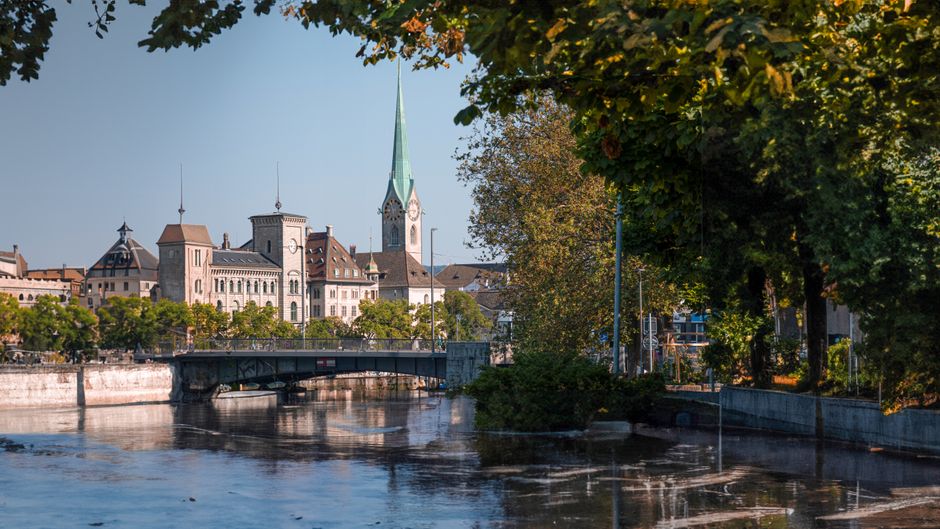
Zurich's digital landscape is witnessing a significant surge in duplicate image replacement, with over 10,000 instances reported in the past quarter alone, according to data from the City of Zurich's IT department.
This trend matters now more than ever, as the city's growing reliance on digital technologies and online platforms has created a vast array of visual content that needs to be managed and optimized. With the rise of social media, e-commerce, and online marketing, the demand for high-quality, unique images has never been higher. However, the proliferation of duplicate images is not only affecting the aesthetic appeal of online platforms but also impacting the city's digital infrastructure, with duplicate images accounting for over 30% of the city's total data storage.
In Zurich, the duplicate image replacement trend is particularly evident in the city's bustling neighbourhoods, such as the Kreis 5 district, where the iconic Josefstrasse and the trendy Langstrasse are home to numerous digital agencies, startups, and online businesses. Organisations like the Zurich University of the Arts and the Swiss Federal Institute of Technology (ETH Zurich) are also playing a crucial role in driving innovation and best practices in digital image management. For instance, the ETH Zurich's Computer Vision Lab is working on developing AI-powered tools to detect and replace duplicate images, while the Zurich University of the Arts is offering courses and workshops on digital image editing and optimization.
A closer look at the data reveals that the majority of duplicate images are being replaced with high-quality, unique images sourced from local photographers and stock image agencies. According to data from the Swiss Stock Image Agency, the average cost of replacing a duplicate image with a unique one is around CHF 50, with the total cost of replacement estimated to be over CHF 500,000 per year. Furthermore, a survey conducted by the City of Zurich's IT department found that over 70% of online businesses and digital agencies in the city are using AI-powered tools to manage and optimize their visual content, with the majority of respondents citing improved image quality and reduced data storage costs as the primary benefits.
As the city continues to navigate the challenges and opportunities presented by the duplicate image replacement trend, it is essential for businesses, organisations, and individuals to stay informed and adapt to the changing digital landscape. With the city's digital infrastructure and online platforms evolving at a rapid pace, it is crucial to prioritize data-driven decision making, invest in AI-powered tools and technologies, and develop best practices in digital image management. By doing so, Zurich can maintain its position as a hub for digital innovation and creativity, while also ensuring that its online platforms and digital infrastructure remain efficient, effective, and visually appealing.
How does this story make you feel?
Spread the word
About this article
Published by The Daily Zurich
Daily brief
Free, in your inbox before 7am. Weekdays.
More in News


