Zurich Officials and Experts Weigh In on Duplicate Image Replacement
City leaders and specialists share their perspectives on the emerging technology and its potential impact on local businesses and residents.
City leaders and specialists share their perspectives on the emerging technology and its potential impact on local businesses and residents.
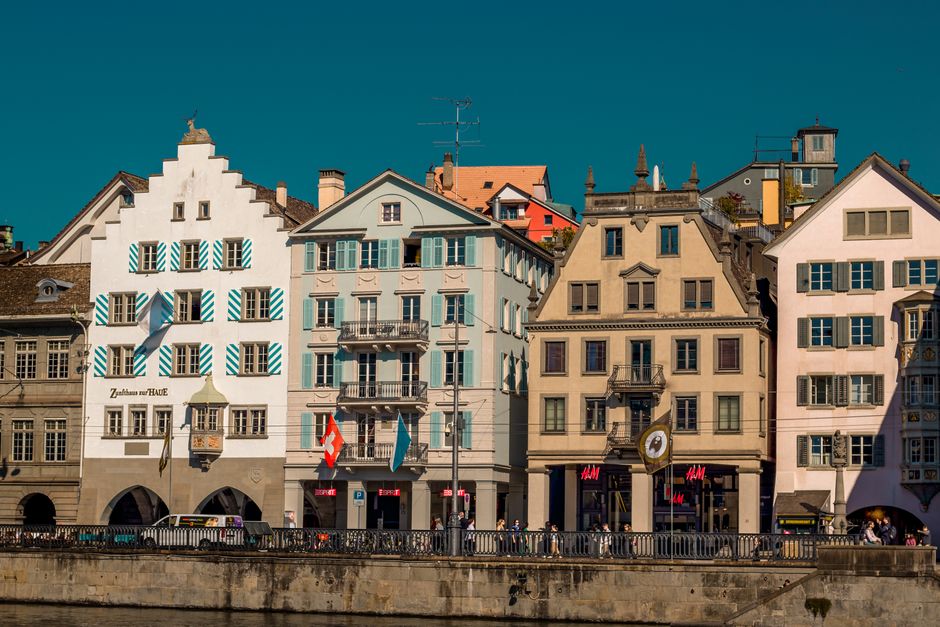
Zurich's city council has announced plans to explore the use of duplicate image replacement technology in various municipal applications, sparking a mix of interest and concern among local stakeholders.
The move comes as the city continues to invest in digital transformation initiatives, with a focus on enhancing public services and improving the overall quality of life for residents. With the duplicate image replacement technology, officials aim to streamline processes, reduce costs, and promote innovation. However, some experts warn that the technology's implementation could also raise important questions about data privacy, job displacement, and social equity.
In Zurich's Kreis 5 district, home to the city's thriving startup scene, entrepreneurs and small business owners are watching the developments with great interest. The area is known for its vibrant atmosphere, with popular spots like the Josefstrasse and the Helvetiaplatz, and is also close to the University of Zurich and the ETH Zurich, two of the country's top research institutions. The duplicate image replacement technology could potentially be used in various applications, from urban planning to public transportation, and companies like Google Switzerland, which has a major office in the city, may be involved in the development and implementation process.
According to a recent report by the City of Zurich's statistics office, the municipality has seen a significant increase in the use of digital technologies in recent years, with over 70% of residents using online services to access public services. The report also notes that the city's IT budget has grown by 15% annually over the past five years, reaching a total of CHF 120 million in 2025. With the duplicate image replacement technology, officials expect to reduce costs by up to 20% and improve processing times by up to 30%. However, some experts caution that the technology's implementation could also lead to job losses, particularly in sectors where tasks are repetitive or can be easily automated.
A study by the Zurich University of Applied Sciences (ZHAW) found that the use of duplicate image replacement technology in the city's administration could lead to a reduction of up to 10% in the number of employees needed to perform certain tasks. However, the study also notes that the technology could create new job opportunities in areas like AI development, data analysis, and digital marketing. As the city moves forward with the implementation of the technology, officials will need to carefully consider these factors and develop strategies to mitigate any negative impacts on the local workforce and economy.
As the city council continues to explore the potential of duplicate image replacement technology, residents and businesses can expect to see more information and updates in the coming months. In the meantime, officials recommend that individuals and companies stay informed about the developments and participate in public consultations to ensure that their concerns and ideas are heard. By working together, the city can harness the potential of this emerging technology to create a more efficient, sustainable, and equitable future for all.
How does this story make you feel?
Spread the word
About this article
Published by The Daily Zurich
Daily brief
Free, in your inbox before 7am. Weekdays.
More in News


