How Zurich's Digital Archives Ended Up Full of the Same Image Twice — and Why It Now Matters
A quiet administrative problem inside the city's public institutions has compounded for years, and the bill for fixing it is finally coming due.
A quiet administrative problem inside the city's public institutions has compounded for years, and the bill for fixing it is finally coming due.
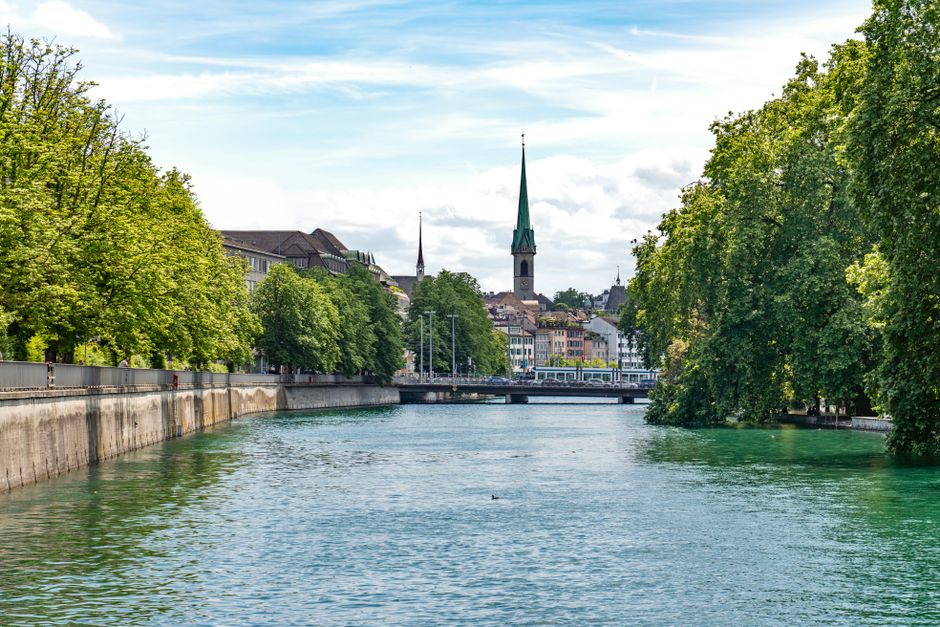
Zurich's municipal digital infrastructure is carrying tens of thousands of duplicate image files across public databases, a legacy of fragmented IT procurement decisions stretching back to the early 2000s. The problem, long treated as a housekeeping nuisance, has moved up the agenda this year as city departments face pressure to consolidate systems before a planned digital-services overhaul scheduled to begin in the first quarter of 2027.
The issue is not unique to Zurich, but the city's particular history makes it sharper here than in comparable European capitals. When cantonal and municipal agencies digitised their archives independently — often buying separate content management systems from competing vendors — they imported the same photographic assets repeatedly, each time under different file names and metadata schemas. The result is institutional redundancy on a significant scale, wasting server capacity and, more critically, making it nearly impossible to reliably track image rights, usage licences, and version provenance.
The roots go back to roughly 2003 and 2004, when the City of Zurich's Stadtarchiv on Neumarkt and the cantonal administration in the Walcheturm district both began large-scale digitisation programmes without a shared technical standard. Each unit purchased off-the-shelf digital asset management software, populated it with scans, and then — as staff turned over and projects expanded — began pulling assets from external image banks like stock libraries without consistent deduplication protocols.
ETH Zurich's IT services division, which manages one of the largest academic image repositories in the German-speaking world, identified the structural dimension of this problem as far back as 2018. In an internal review of its own systems, the institute found that roughly 34 percent of images stored across its departmental servers were exact or near-exact duplicates — a figure consistent with what independent digital archivists have documented in comparable European university systems. That review informed ETH's subsequent shift toward centralised digital asset management, a model the city's own Informatik Zürich directorate is now under pressure to replicate.
The UBS-Credit Suisse merger aftermath added an unexpected dimension. Several Zurich-based financial communications agencies that supplied press photography to both banks saw their image archives absorbed, duplicated, and redistributed across new combined corporate repositories in 2023 and 2024, without systematic deduplication. Those same agencies supply imagery to city-linked public relations accounts, meaning commercially licensed photographs have migrated into civic databases in multiple copies, raising unresolved questions about licence scope and fee exposure.
Informatik Zürich, the cantonal IT body headquartered on Stampfenbachstrasse, has been piloting a deduplication and metadata standardisation programme since January 2026. The pilot covers three departments and is working through an estimated 1.2 million stored image files. Early-stage work on the pilot alone has cost approximately CHF 380,000, according to budget documents submitted to the cantonal parliament in March 2026, and the full rollout across all affected departments is expected to cost several multiples of that figure.
The Stadtarchiv, which holds historical photographic records of Zurich dating to the nineteenth century including images of Bahnhofstrasse before the first world war, has separately applied for federal digitisation support under the Memoriav programme, a national body that co-funds preservation of Swiss audiovisual heritage. Memoriav grants typically cover between 30 and 50 percent of eligible project costs, which would offset a portion of the deduplication work on historical holdings but would not touch the more commercially entangled modern archives.
For institutions and private organisations dealing with similar bloat — and there are many, given that Zurich hosts dozens of pharmaceutical communications offices and trade-fair operators who maintain large internal image libraries — the city's process offers a rough template. Specialists recommend beginning with a file-hash audit rather than a visual similarity scan, since the former is faster and cheaper at scale and catches the majority of true duplicates. Metadata harmonisation, the more expensive and time-consuming step, should follow only after the hash audit has reduced the working dataset. The canton's pilot is expected to deliver a full methodology report by the end of the third quarter of 2026, which Informatik Zürich has indicated will be made publicly available.
How does this story make you feel?
Spread the word
About this article
Published by The Daily Zurich
Daily brief
Free, in your inbox before 7am. Weekdays.
More in News


