First-time buyers squeezed as Zurich's rental crunch reshapes the property ladder
Soaring rents in sought-after districts are trapping tenants and delaying home ownership, while landlords face mounting pressure from regulation and tenant scarcity.
Soaring rents in sought-after districts are trapping tenants and delaying home ownership, while landlords face mounting pressure from regulation and tenant scarcity.
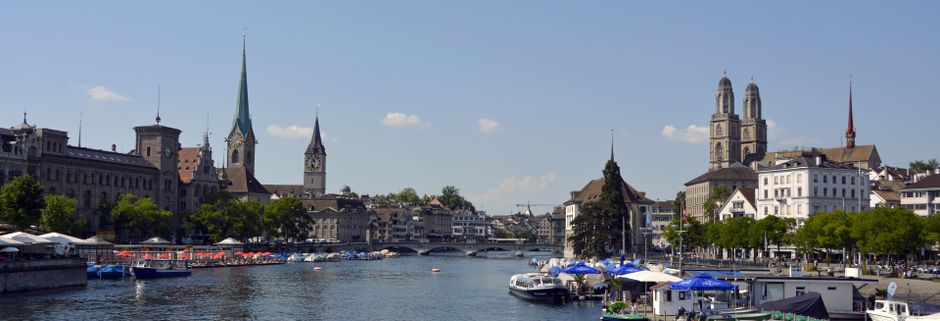
The Zurich rental market has entered a new phase of tension. With average apartment rents in Seefeld and Enge now exceeding CHF 3,500 monthly for modest two-bedroom units, first-time buyers are finding themselves locked in an extended tenancy trap that extends ownership dreams by years.
For many young professionals working at the Zurich Financial Centre or along the Bahnhofstrasse, the mathematics are unforgiving. Saving for a 20 per cent deposit while paying premium rents leaves little room for accumulation. A one-bedroom flat in Wipkingen—historically the bridge neighbourhood for aspirational buyers—now commands CHF 2,200–2,600 monthly, up nearly 12 per cent since 2023. Meanwhile, the same property would require a CHF 600,000–700,000 purchase price, demanding CHF 120,000–140,000 in upfront capital before mortgage qualification.
The knock-on effect extends beyond individual frustration. Landlords managing properties around Kreis 5 and along the Limmat corridor report heightened tenant turnover and increased vacancy periods. Regulatory pressures—including enhanced lease protections and rent-cap discussions within cantonal government—have made some portfolio holders cautious about new lettings. Properties that historically cycled between tenants every three to four years now sit empty for six months or longer, creating a counterintuitive scarcity that pushes rents higher.
For first-time buyers, the Federal Housing Office's standard financing guidelines require a minimum 10–20 per cent deposit and proof of stable income covering mortgage payments, utilities, and maintenance reserves. At Zurich's average CHF 15,000 per square metre, even a modest 80-square-metre apartment in outer Hongg or Altstetten demands CHF 1.2 million—a figure that stretches conventional lending frameworks for households earning the regional median of CHF 130,000–150,000 annually.
Some cantonal grant programmes, including the Zurich Wohneigentum incentive and employer-matched savings schemes, offer modest relief. Yet eligibility often requires multi-year residency or membership in occupational pension funds, criteria that exclude many younger renters or recent arrivals to the city.
The structural problem is circular: rising rents prevent savings accumulation; delayed home purchases reduce turnover in entry-level segments; tight supply sustains rental inflation. Until either rental supply expands materially or purchase prices moderate, the gap between tenant and owner will remain the defining challenge for Zurich's next generation of property holders.
This article was compiled by AI from the sources linked above and screened before publishing. See our editorial standards.
How does this story make you feel?
Spread the word
About this article
Published by The Daily Zurich
Daily brief
Free, in your inbox before 7am. Weekdays.
More in Property