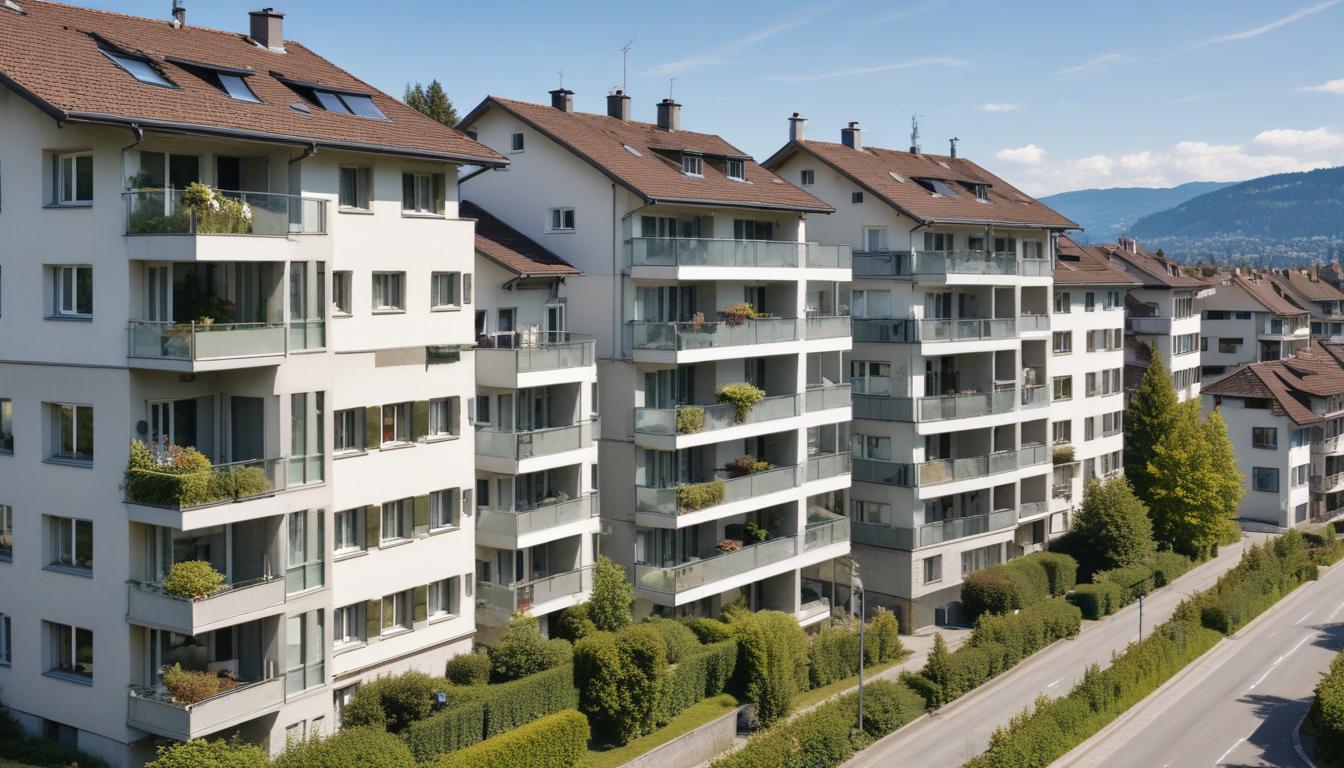
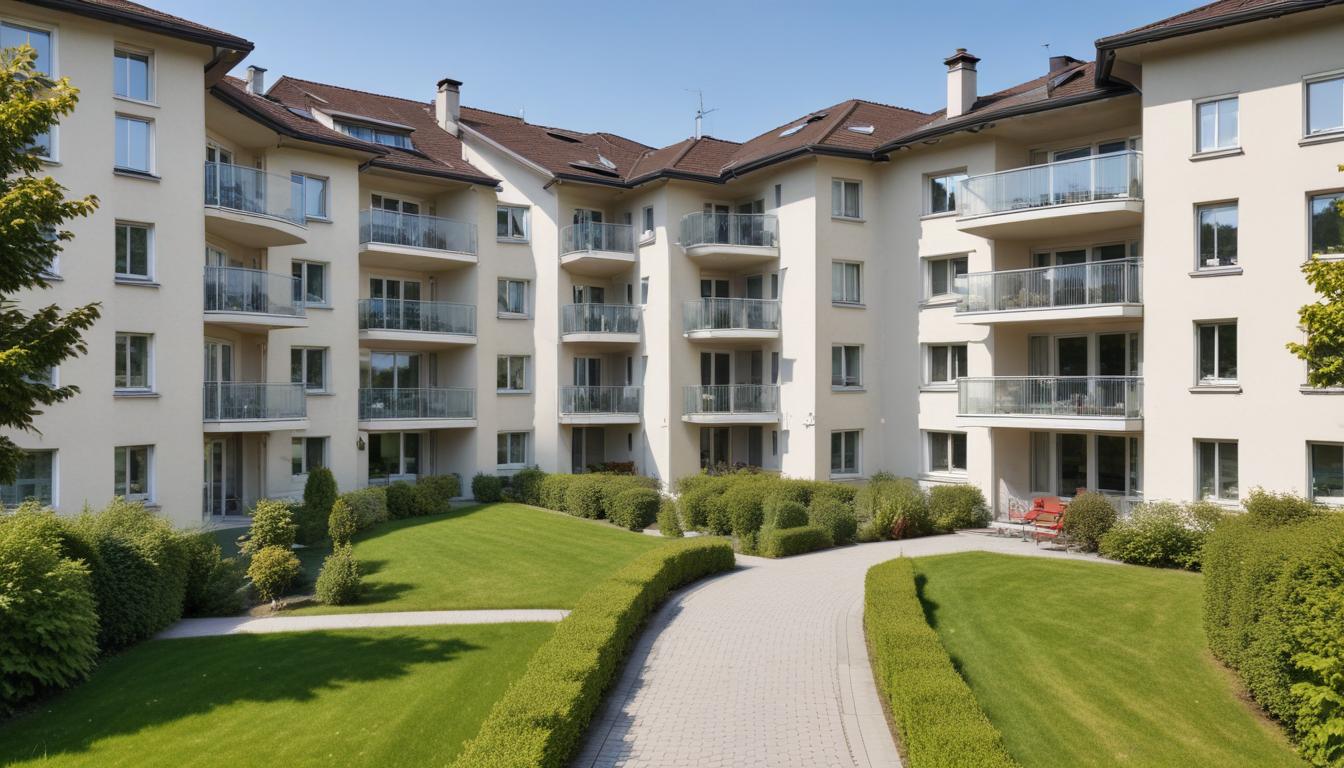
How Zurich's Housing Policy Shift Is Reshaping Vacancy Rates and Tenant Leverage
New cantonal regulations on conversion limits and density rules are tightening the rental market—here's what tenants need to know.
New cantonal regulations on conversion limits and density rules are tightening the rental market—here's what tenants need to know.
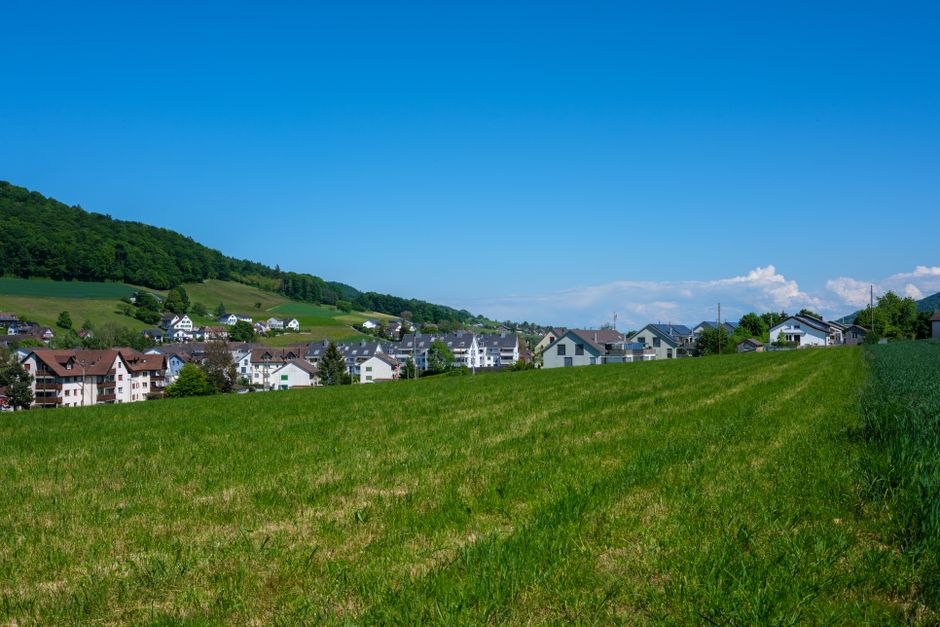
Zurich's rental market is experiencing a subtle but significant squeeze. After years of relative stability, vacancy rates have dipped below 1.5% across prime districts, forcing policy makers and landlords to reckon with the consequences of recent planning restrictions that have reshaped how the city develops housing stock.
The shift began in earnest when the Canton tightened rules around office-to-residential conversions in 2024, a move designed to preserve commercial floor space downtown. That regulatory pressure has particularly affected Kreis 5 and Wipkingen, neighbourhoods where older industrial buildings once promised affordable conversion projects. Today, landlords face steeper hurdles and longer timelines, reducing new supply precisely when demand from young professionals and international relocations remains high.
Meanwhile, strict density limits around the Limmat valley and along Bahnhofstrasse have constrained apartment construction in traditionally premium zones. Seefeld and Enge waterfront properties—already commanding CHF 18,000 to CHF 22,000 per square metre—now face even tighter scarcity. The Waidberg estate planning freeze, implemented to protect neighbourhood character, has eliminated a pipeline of mid-range units that might have eased pressure across the broader market.
These planning decisions have concrete implications for renters. In Wiedikon and Altstetten, where policy has been slightly less restrictive, vacancy rates hover closer to 2%. Elsewhere, tenants report fiercer competition for viewings and landlords exercising greater selectivity. The Zurich Tenant Association has noted increased inquiries regarding lease renewal negotiations, suggesting landlords feel emboldened by scarcity.
For prospective tenants, the landscape demands strategy. Building relationships with local estate agents who handle neighbourhood turnover, understanding whether a property sits within restricted conversion zones, and timing applications around summer transitions when more units typically become available can improve odds. Neighbourhoods like Hongg and Affoltern, less constrained by recent policies, remain relatively accessible.
The City Planning Department's upcoming review of conversion thresholds—expected in Q4 2026—may offer some relief. However, most analysts expect any loosening to be gradual. Until then, Zurich's rental market will likely remain a landlord's advantage, with vacancy rates continuing to reflect not just demand, but the cumulative weight of planning restrictions designed to preserve urban character.
For tenants, that means acting decisively when opportunities arise and understanding that policy, not just economics, now shapes where affordable housing gets built.
This article was compiled by AI from the sources linked above and screened before publishing. See our editorial standards.
How does this story make you feel?
Spread the word
About this article
Published by The Daily Zurich
Daily brief
Free, in your inbox before 7am. Weekdays.
More in Property