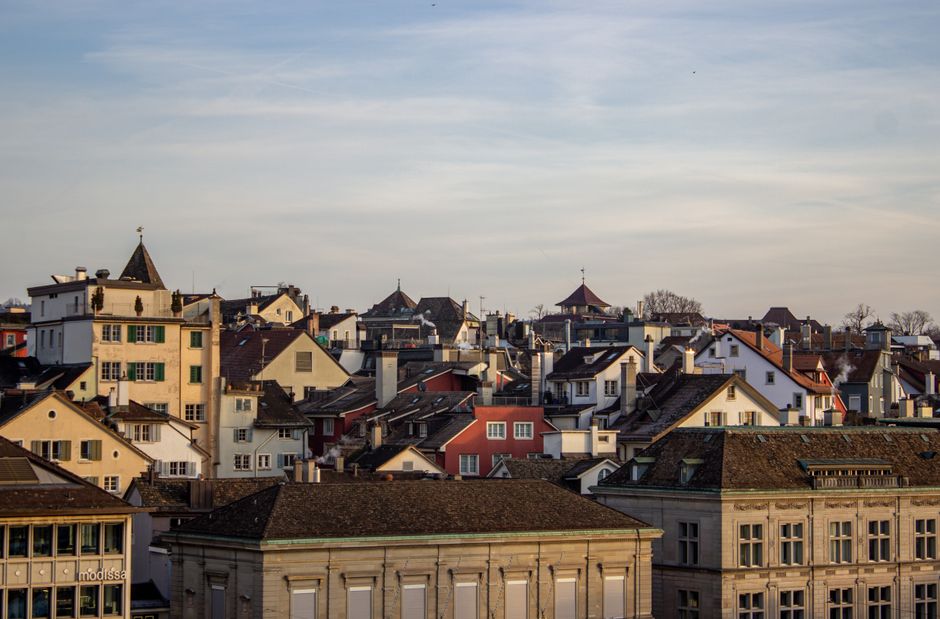
Zurich's residential rental market is sending mixed signals to investors. While the city's average property price remains locked around CHF 15,000 per square metre—the highest in continental Europe—the yield story is considerably less lustrous.
Recent market data reveals a troubling trend: gross rental yields in flagship neighbourhoods have slipped to 2.1–2.4%, a compression that reflects mounting vacancy pressures. In Seefeld and Enge, where waterfront penthouses command premiums exceeding CHF 20,000/sqm, yields hover at the lower end of that range. Even in Kreis 5's trendier pockets around Langstrasse and Förrlibuckstrasse, where younger tenants cluster, landlords report difficulty filling units within previous timeframes.
The numbers tell an investor's cautionary tale. A CHF 3 million apartment yielding 2.2% generates approximately CHF 66,000 annually in rent—a return that barely outpaces Swiss mortgage rates and leaves little room for maintenance, vacancy periods, or tax liabilities. Compare this to five years ago, when yields regularly touched 2.8–3%, and the erosion becomes stark.
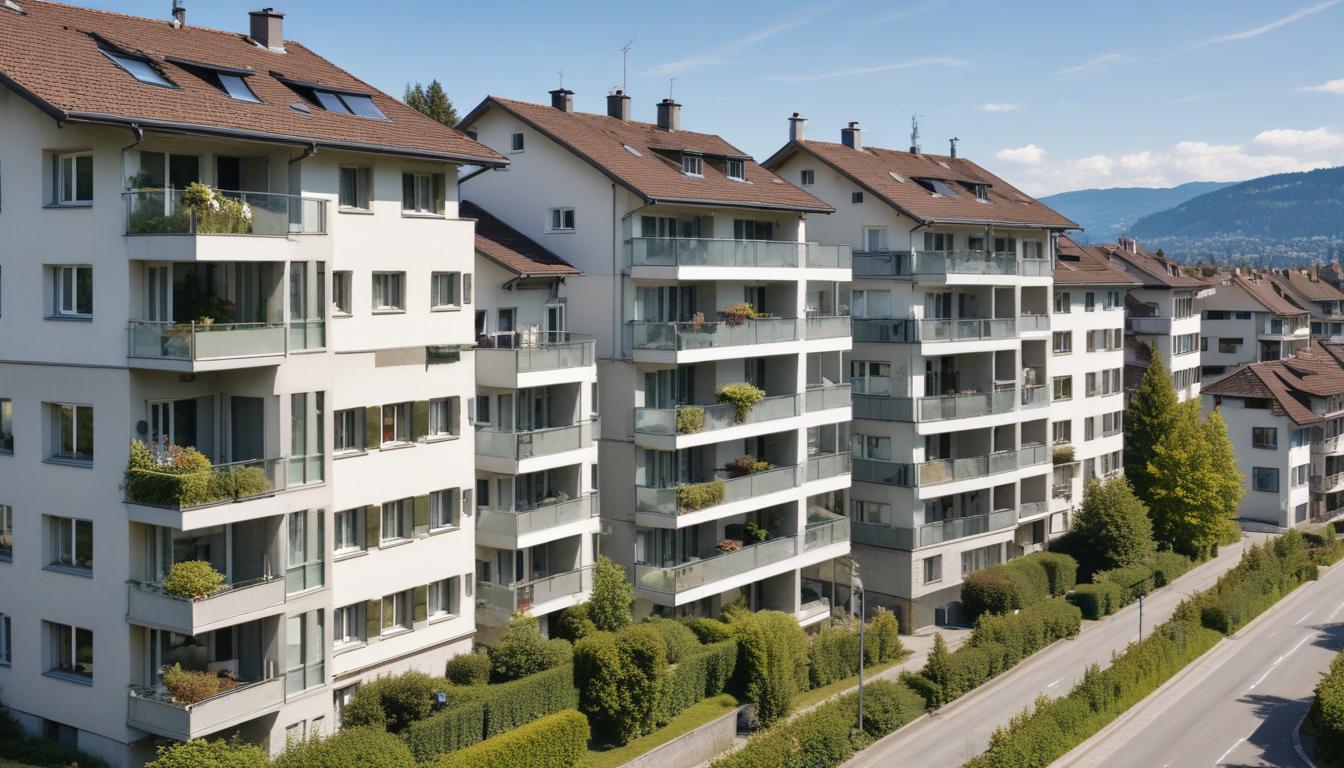
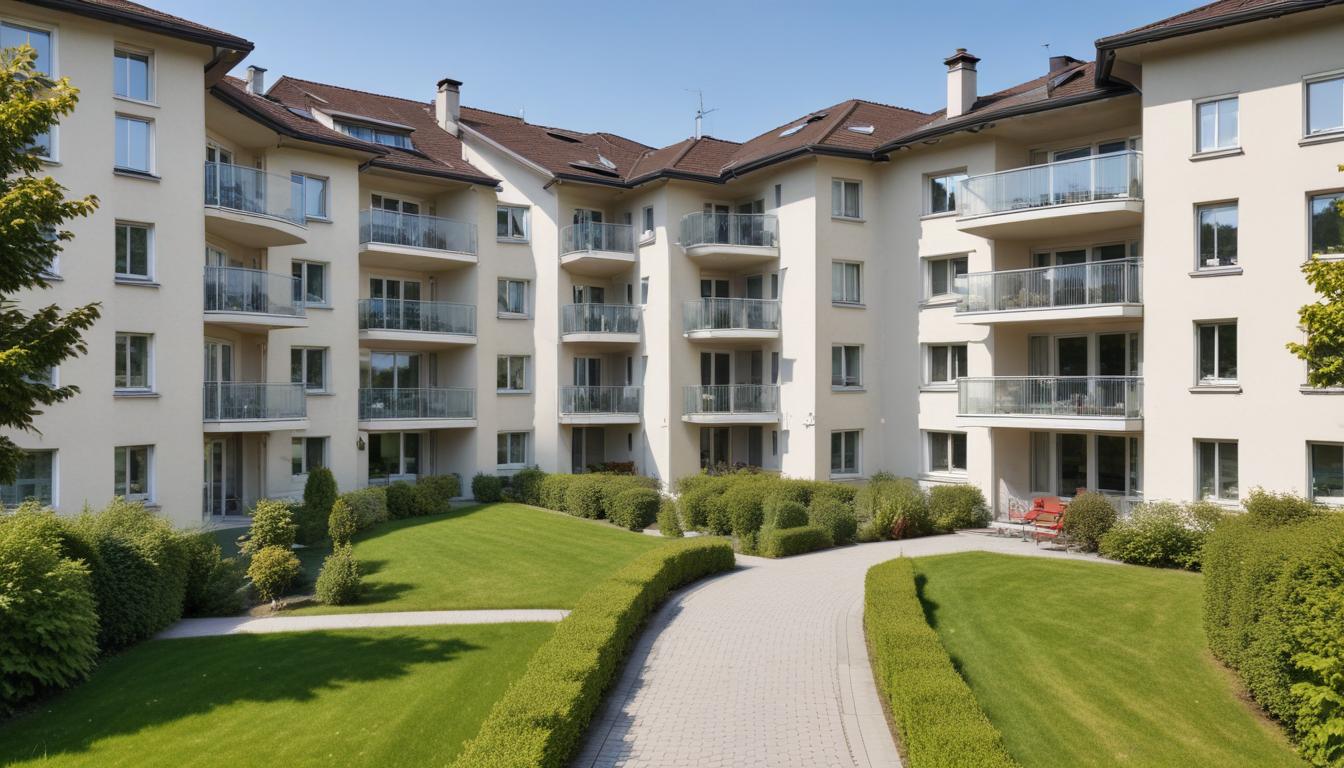
What's driving this compression? Supply has loosened considerably. Kreis 7 and Kreis 8 have absorbed significant new residential construction, particularly rental-focused developments near the Zurichberg edges and along Militärstrasse. Simultaneously, tenant demand—historically buoyed by corporate relocations and wealthy expatriates—shows signs of normalisation as remote work reshapes relocation patterns.
The Zurich Cantonal Office of Statistics reported a 4.2% vacancy rate this spring, marking the highest in a decade. For investors accustomed to sub-2% figures, this represents meaningful market rebalancing. Tenants now have leverage; rent negotiation, once unthinkable in Swiss lettings, is increasingly common along Bahnhofstrasse's residential side-streets and in family-sized units across Wiedikon.
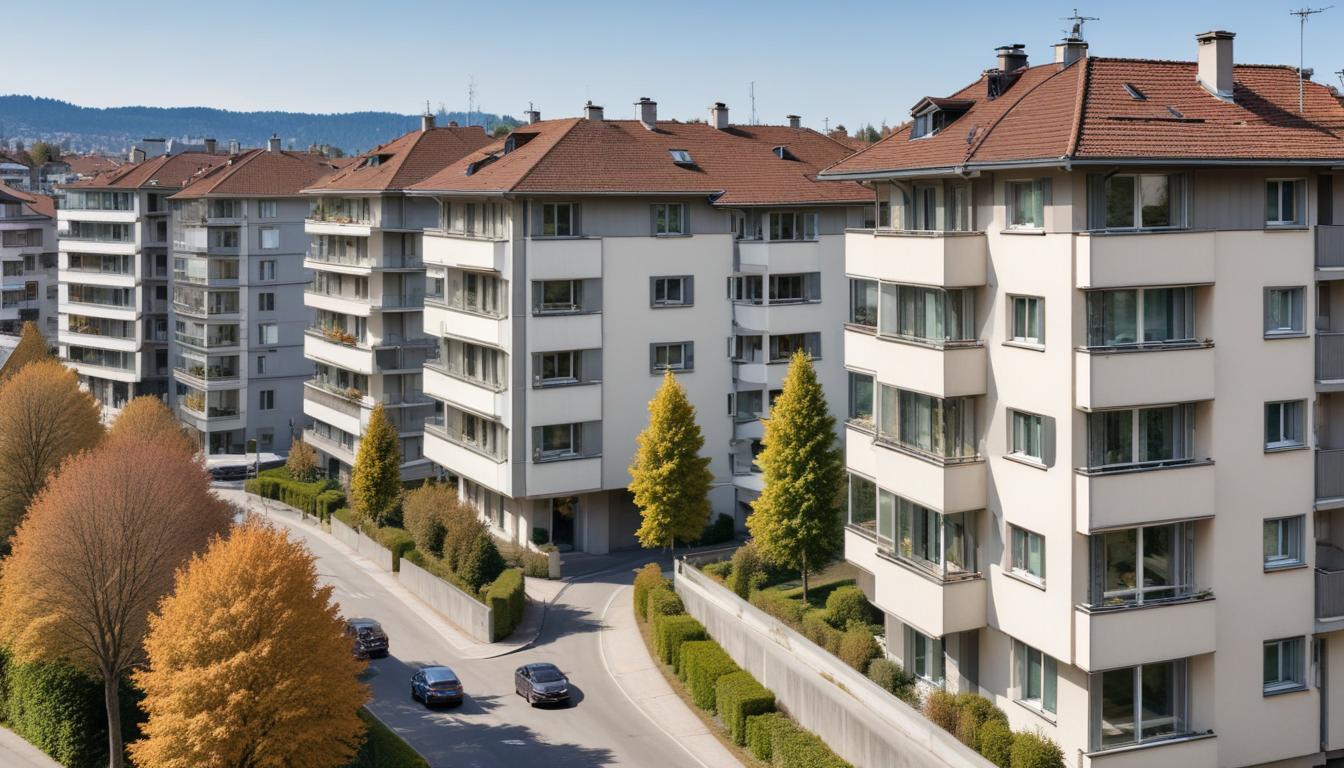
Where are yields more resilient? Peripheral neighbourhoods like Altstetten and Hongg maintain 2.5–2.7% returns, attracting yield-focused domestic investors willing to sacrifice postcode prestige for cash flow. Yet these areas attract different tenant profiles: younger professionals, students linked to institutions like the Zurich University of Teacher Education, and mid-career relocators rather than ultra-high-net-worth individuals.
For international capital chasing Swiss property as a stability play, the message is clear: Zurich remains geographically and politically secure, but returns no longer compensate for opportunity cost elsewhere. Smart investors are narrowing focus to value-add refurbishment projects or selective micro-neighbourhoods where yield floors remain defensible. The age of passive Zurich property ownership returning 3%+ annually has quietly closed.
This article was compiled by AI from the sources linked above and screened before publishing. See our editorial standards.