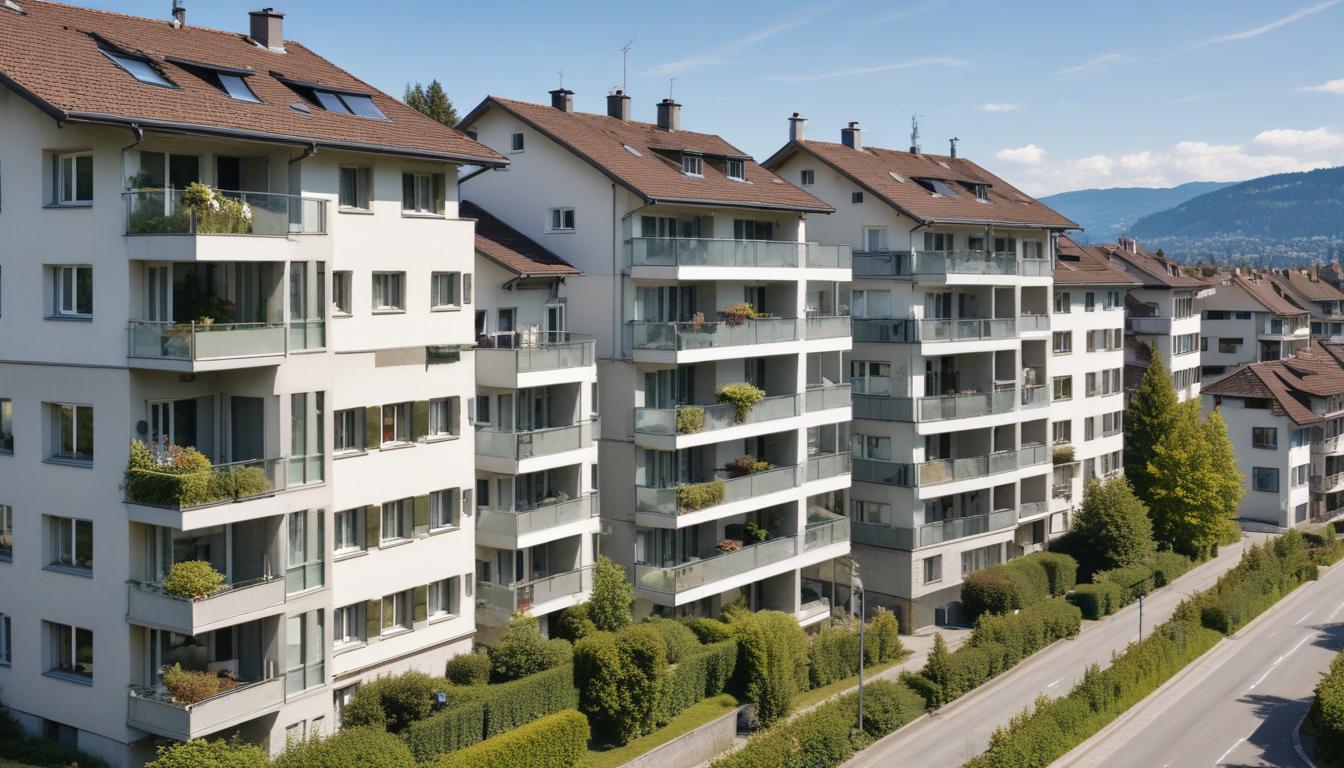
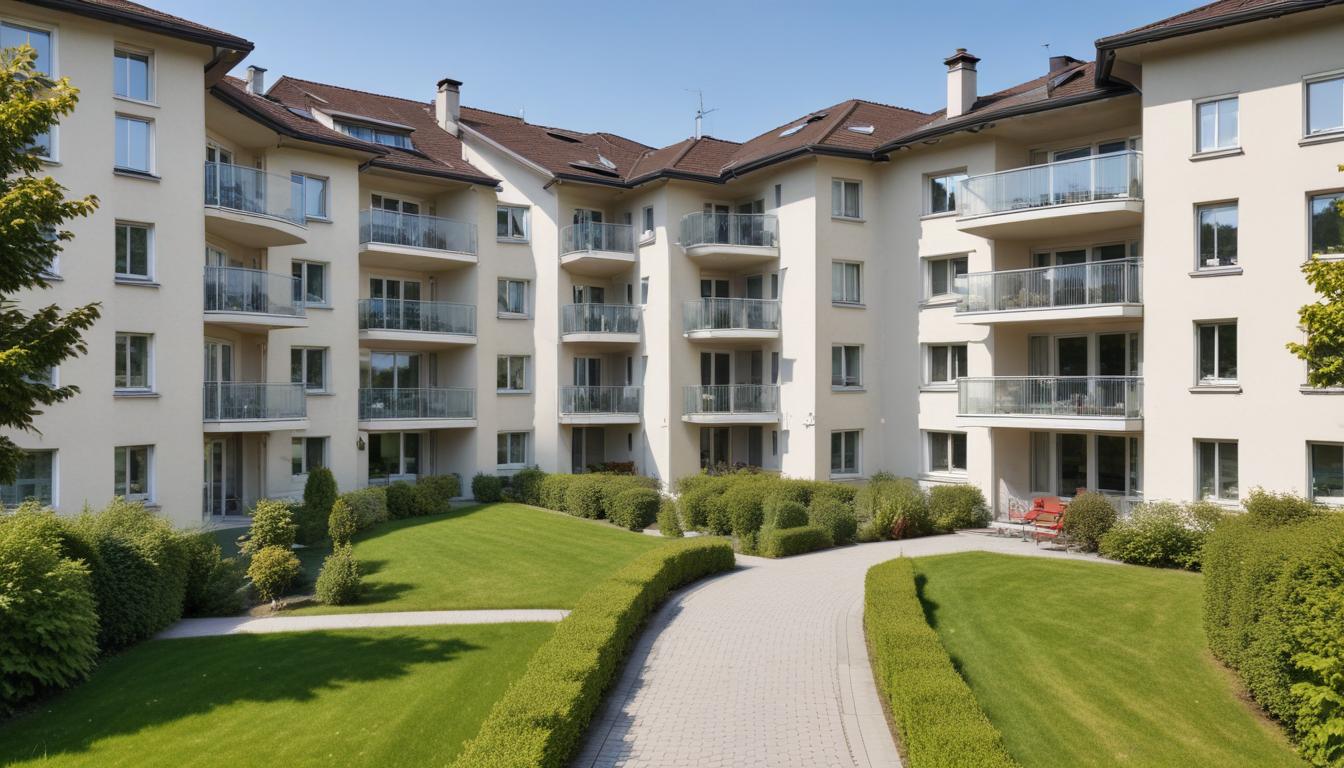
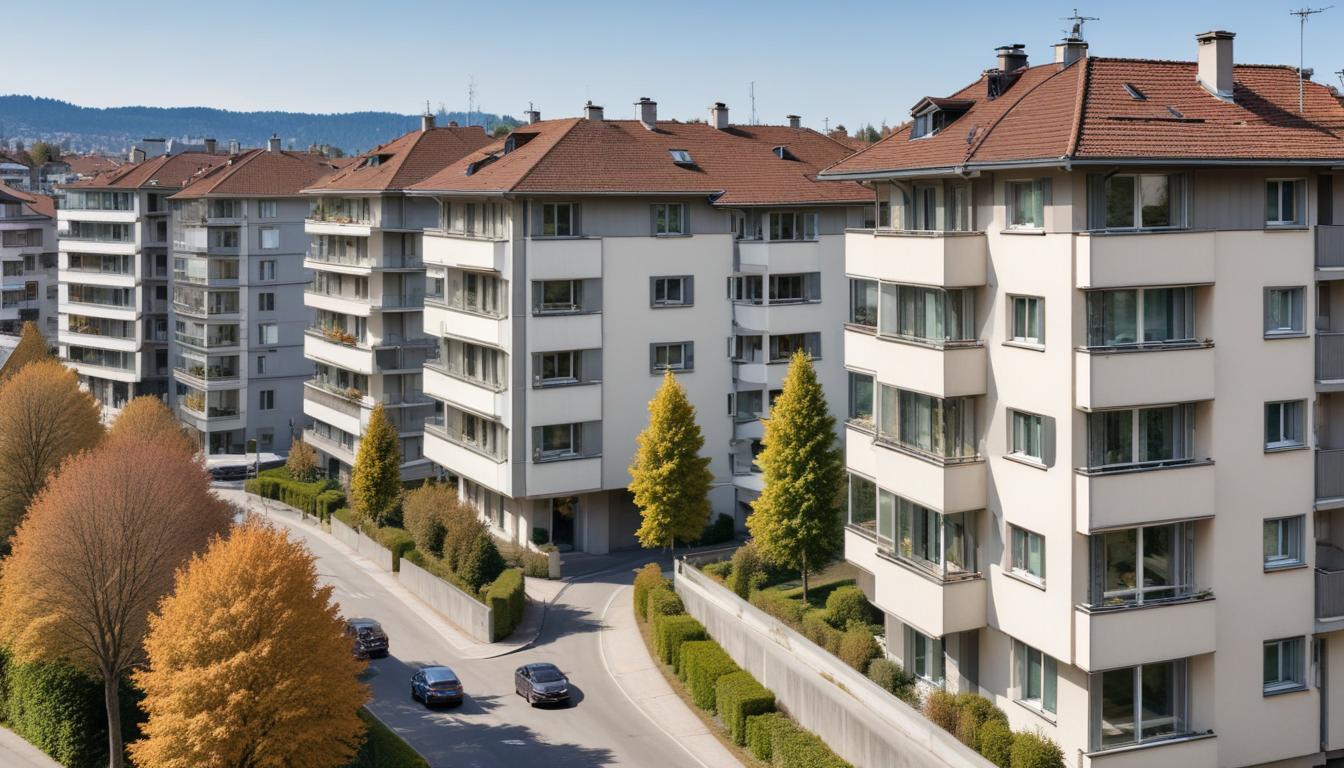
For first-time buyers in Zurich, the prospect of purchasing property can feel daunting. At CHF 15,000 per square metre citywide, with premium waterfront neighbourhoods like Seefeld and Enge commanding significantly higher premiums, many young professionals and families are being priced out of traditional purchase paths. Yet Switzerland's robust social housing framework and emerging affordable schemes offer genuine alternatives that deserve serious consideration.
The cornerstone of your strategy should be understanding Zurich's three-pillar housing system: owner-occupied properties, rental apartments, and co-operative housing. This last category—genossenschaftliches Wohnen—is where first-time buyers often find their entry point. Housing co-operatives like Wogeno and Baugenossenschaft Zurich own approximately 15% of the city's residential stock, offering below-market rents and, increasingly, purchase-friendly equity models. Members typically invest a deposit (rather than securing a mortgage on inflated market prices) and enjoy long-term housing security.
For those determined to buy outright, focus on emerging neighbourhoods in Kreis 5 and Wipkingen, where gentrification is still pricing properties more reasonably than established areas. The Europaallee development along the Zürichberg side is reshaping the district with mixed-income housing projects; similarly, Altstetten continues to attract younger buyers seeking value north of the city centre. These areas offer significantly better entry prices—potentially CHF 10,000-12,000 per square metre—while maintaining strong transport connections via Zurich's tram network.
Government support mechanisms deserve attention too. The canton of Zurich offers first-time buyer grants and tax deductions for mortgage interest payments. The Wohnen für Generationen programme, run through the city's Development Department, specifically targets affordable homeownership for lower and middle-income households, with properties allocated through a transparent lottery system. These aren't quick or flashy purchases, but they provide genuine pathways to ownership.
Consider also the cantonal Wohnbaugenossenschaften (housing co-operative federations), which maintain waiting lists but often provide the most affordable long-term solutions. Yes, waiting periods can extend 3-5 years, but membership fees are modest, and eventual housing costs remain 20-30% below market rents.
The reality: buying in Zurich's prime zones remains a privilege. But strategic thinking—embracing co-operative models, targeting transitional neighbourhoods, and leveraging government schemes—can transform first-time ownership from fantasy into feasible goal. Start conversations with organisations like the Verband Zürcher Wohngenossenschaften (VZWG) early. Your Swiss property dream may look different than Instagram suggests, but it's attainable.
This article was compiled by AI from the sources linked above and screened before publishing. See our editorial standards.