Beyond the Lakefront: What's Really Driving Zurich Suburb Prices—and Where Smart Buyers Should Look Now
As central Zurich climbs toward CHF 18,000 per square metre, emerging neighbourhoods are reshaping the investment map.
As central Zurich climbs toward CHF 18,000 per square metre, emerging neighbourhoods are reshaping the investment map.
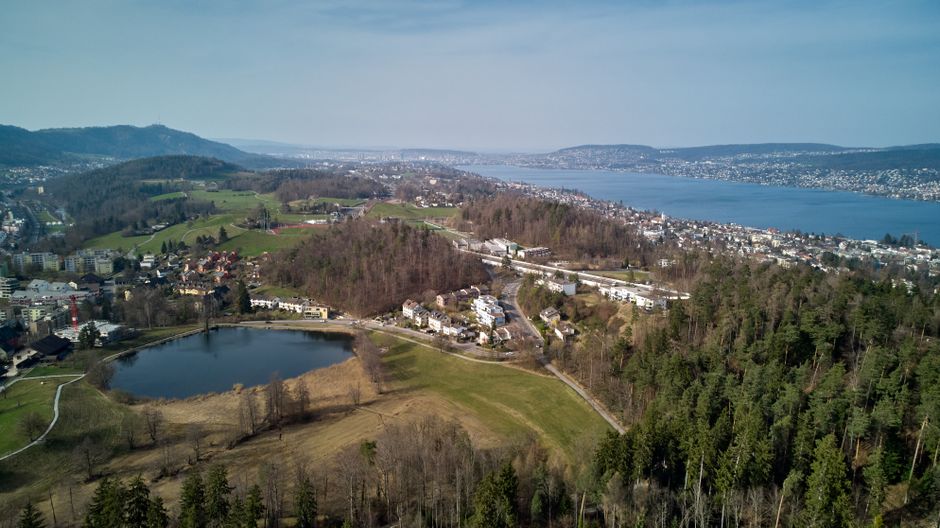
The Zurich property market is experiencing a subtle but decisive shift. While Seefeld and Enge command their traditional premiums—waterfront properties regularly exceeding CHF 20,000 per square metre—savvy investors are increasingly looking inward to neighbourhoods where infrastructure investment, urban renewal, and transport connectivity are quietly reshaping value propositions.
Kreis 5 remains the bellwether. Wiedikon and Industriequartier have moved beyond their bohemian reputation; the completion of the Europaallee development and ongoing densification around the Zurich West corridor continues to attract young families and professionals seeking character without the Seefeld premium. Comparable properties here trade at CHF 14,000–16,500 per square metre—meaningful savings that reflect location rather than quality.
But the real story lies further north. Wipkingen, historically overlooked, has become a testing ground for mixed-use development. The Limmat corridor improvements and planned extensions to local amenities—including expanded retail along Limmatstrasse—are beginning to justify price appreciation. Current asking prices sit around CHF 13,500 per square metre, but forward-looking buyers recognise the infrastructure multiplier at work.
What's driving these shifts? Three factors demand attention. First, remote working normalisation has hollowed traditional commute hierarchies; proximity to central Zurich matters less than access to green space and community infrastructure. Second, canton and city authorities are prioritising sustainable transport links—the tram network expansions in Kreis 6 and improved cycling infrastructure throughout Aussersihl are not cosmetic. Third, younger buyer cohorts are prioritising neighbourhood livability—proximity to restaurants, cultural venues, and schools—over status addresses.
The regulatory environment also matters. Zurich's recent zoning adjustments have quietly opened conversion opportunities in former industrial zones. Developers converting warehouse space in Altstetten are attracting institutional interest; this wouldn't have happened three years ago.
For buyers, the calculus is straightforward. Properties within 1.5 kilometres of a major tram node, in neighbourhoods showing evidence of retail/cultural investment, and priced below CHF 15,500 per square metre offer reasonable entry points. But timing is critical. Once local authorities formally announce major infrastructure projects—as they did with recent announcements affecting Hongg and Schwamendingen—price appreciation accelerates rapidly.
The Zurich market remains constrained by land scarcity and Swiss purchasing power. But the days of assuming only lakefront neighbourhoods merit serious consideration are gone. The smart money is now mapping transport nodes, scanning development permits, and building long-term positions in neighbourhoods where visibility remains low but fundamentals are improving steadily.
This article was compiled by AI from the sources linked above and screened before publishing. See our editorial standards.
How does this story make you feel?
Spread the word
About this article
Published by The Daily Zurich
Daily brief
Free, in your inbox before 7am. Weekdays.
More in Property