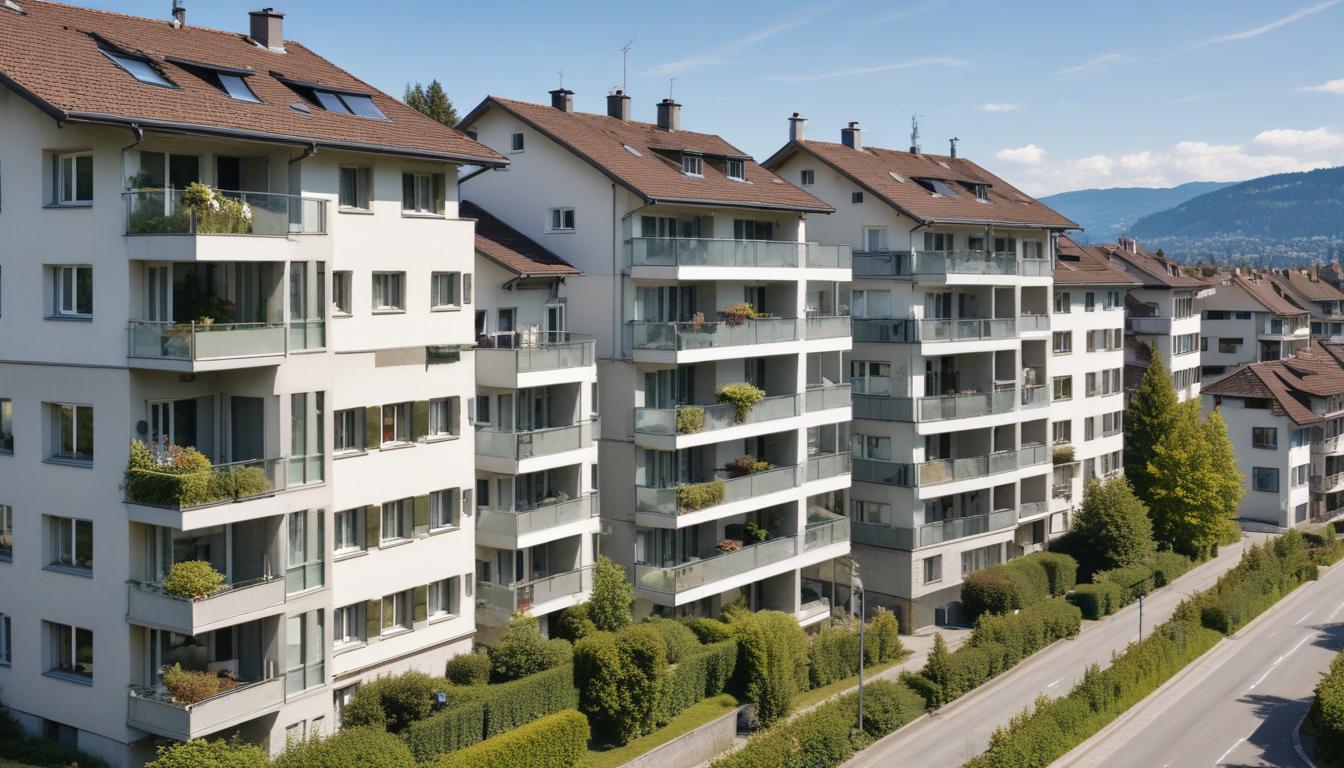
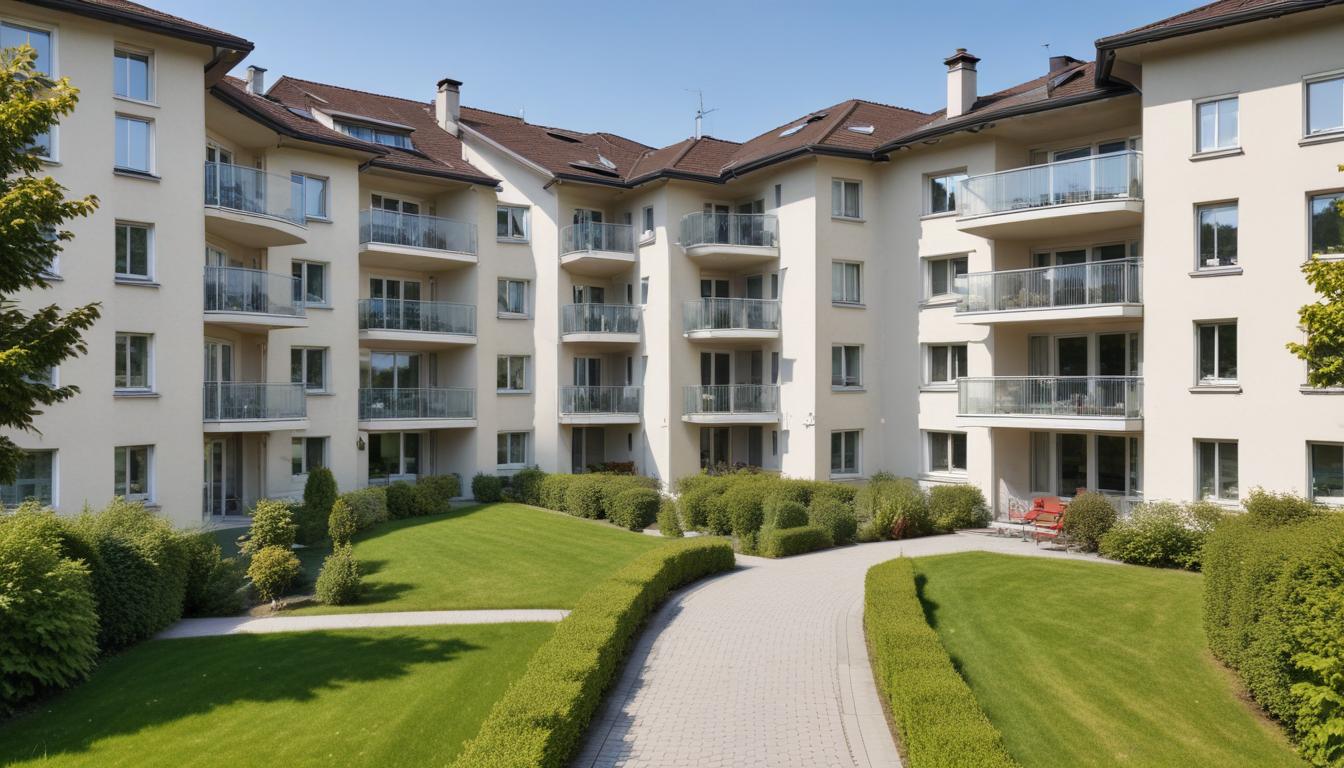
Zurich's investment property market is speaking a clear language to those willing to listen. Recent auction results and transaction data paint a picture of a market in transition—one where gross yields are compressing in established hotspots like Seefeld and Enge, while pockets of relative value are emerging in Kreis 5 and Wipkingen.
The headline figures tell part of the story. Average prices across Zurich hover around CHF 15,000 per square metre, but this aggregate masks significant variation. Waterfront properties along the Zürichsee continue to command premium prices, with Seefeld postcodes regularly fetching CHF 18,000–22,000 per sqm. Yet auction clearance data—recently at historic lows—suggests fewer buyers are willing to stretch for marginal location upgrades. What does this mean for landlords? Financing costs now matter more than ever. A rental yield of 2.5–3% on a CHF 2 million Seefeld apartment leaves little margin when mortgage rates sit above 1.5%.
The story shifts noticeably in Kreis 5, where recent sales have stabilised around CHF 13,000–14,500 per sqm. Neighbourhoods like Wipkingen and areas bordering the Limmat are attracting a different cohort: younger investors, professionals relocating for tech roles, and downsizers seeking walkable, urban settings without the Seefeld premium. Auction results here show stronger competition and faster absorption—a sign of genuine demand rather than speculative positioning.
What should savvy landlords extract from these signals? First, the yield chase in prime zones is over. A property purchased at peak pricing in 2023 or early 2024 is unlikely to deliver respectable returns unless occupied by high-income tenants or held for long-term appreciation. Second, micro-location now trumps macro-location. A renovated 2-bedroom on Badenerstrasse or near Europaallee may outperform a comparable unit in an ageing building in Enge, simply because tenant demand and rental growth favour emerging over established neighbourhoods.
Auction results also reveal something about leverage. Sales that clear quickly tend to be either deeply discounted or in sought-after secondary zones. Properties languishing on the market often carry unrealistic pricing or structural issues—both red flags for investors considering off-market deals.
The broader signal? Zurich's property market is maturing. The days of easy capital appreciation are fading; today's returns depend on disciplined acquisition pricing, tenant selection, and a willingness to look beyond the obvious postcodes. For landlords reviewing their portfolios, that's both sobering and clarifying.
This article was compiled by AI from the sources linked above and screened before publishing. See our editorial standards.