How Zurich's Zoning Reforms Are Reshaping Landlord Returns
New planning regulations around density and mixed-use development are forcing property investors to recalculate yields across the city's most sought-after districts.
New planning regulations around density and mixed-use development are forcing property investors to recalculate yields across the city's most sought-after districts.

Zurich's property investment landscape is undergoing a subtle but significant transformation. Recent cantonal planning reforms—particularly those affecting density limits and residential-commercial zoning—are rewriting the calculation sheets for landlords holding assets across Kreis 5, Wiedikon, and the Seefeld waterfront corridor.
The shift stems from the Canton's updated spatial planning directives introduced earlier this year, which incentivize mixed-use development and higher residential density in underutilised commercial zones. For investors, this translates to both opportunity and complexity. A commercial warehouse property along Europaallee, previously zoned for light industrial use, now sits on land where residential conversion has become administratively simpler—but only if developers commit to affordable housing quotas.
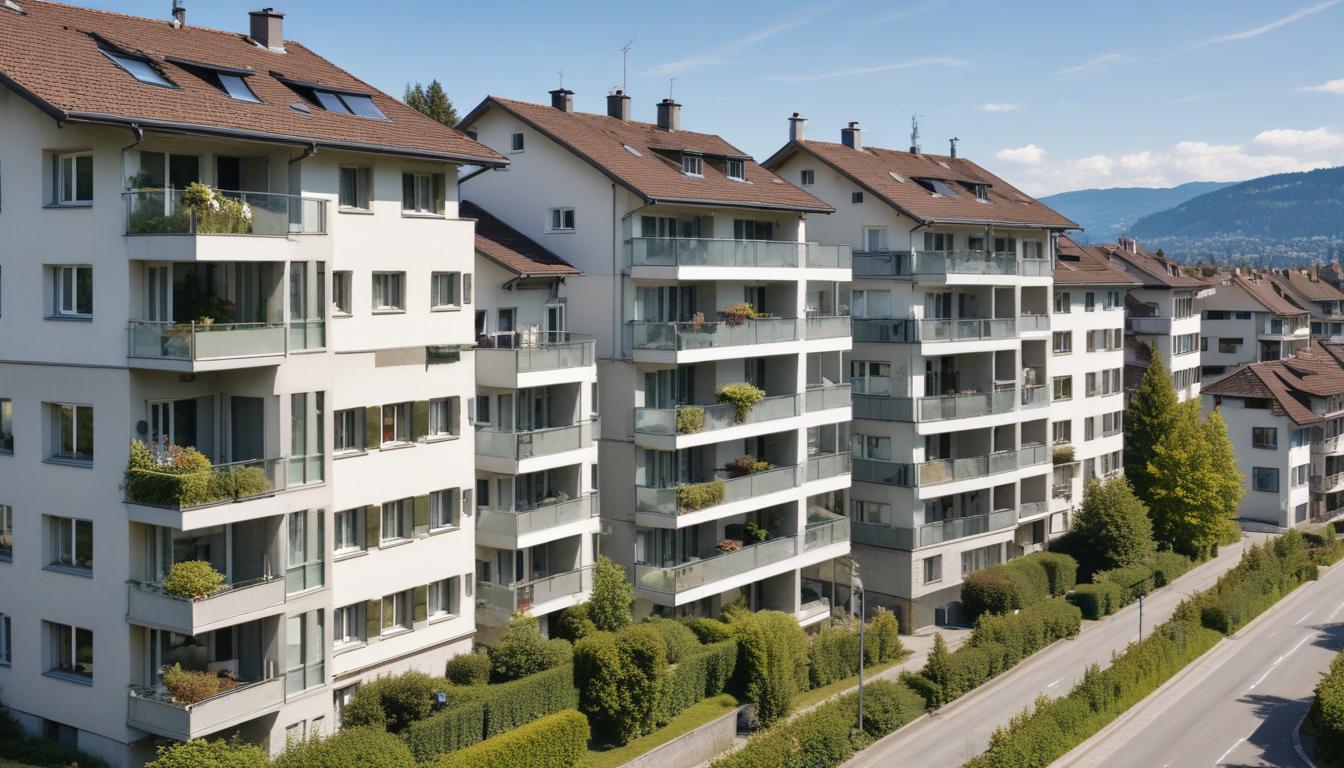
"The policy is well-intentioned," says Beat Keller, director of the Zurich Real Estate Forum, "but it's compressed gross yields on some prime commercial stock by 50 to 100 basis points in the short term." Properties that generated steady 3.5–4% yields on rental income now face longer planning horizons and regulatory uncertainty. A five-storey apartment building near Wiedikon Station—previously valued at CHF 18,500 per square metre—now competes with new mixed-use developments offering ground-floor retail, creating downward pressure on pure residential rents.
Conversely, landlords positioned in Enge and Seefeld are seeing modest upside. The waterfront districts' existing high density and established mixed-use character align naturally with new regulations. Properties here retain their premium CHF 20,000+ per square metre valuations, and rental yields remain resilient at 2.8–3.2%, reflecting sustained demand from institutional tenants and professional services firms seeking prestige addresses.
For active investors, the lesson is location-specific due diligence. Properties in transition zones—particularly around Kreis 5's southern edges and the Wiedikon-Altstetten boundary—require investors to factor in planning timelines and regulatory risk. A ground-floor retail unit on Langstrasse may now carry embedded optionality for residential conversion, but realising that value requires navigating canton approval processes that can stretch 18–24 months.
The broader implication: Zurich's property investment market is fragmenting. Generic residential buy-and-hold strategies are yielding to targeted plays based on zoning exposure and planning trajectory. Landlords who successfully anticipate regulatory momentum—particularly around the city's ongoing densification of Zürich Nord and Zürich West industrial corridors—will unlock outsized returns. Those holding assets in regulatory grey zones face headwinds.
The City of Zurich's planning office has committed to further clarity by Q4 2026. Savvy investors are monitoring that release closely.
This article was compiled by AI from the sources linked above and screened before publishing. See our editorial standards.
How does this story make you feel?
Spread the word
About this article
Published by The Daily Zurich
Daily brief
Free, in your inbox before 7am. Weekdays.
More in Property